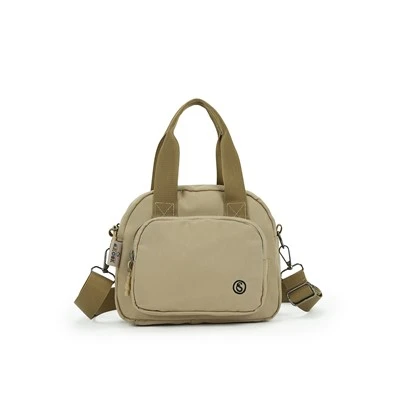
The modern tote bag has transcended its origins as a simple utilitarian sack to become one of the most versatile staples in contemporary fashion and daily life. Whether you are navigating crowded subway platforms, heading into high-stakes board meetings, packing for an impromptu weekend getaway, or simply running down to the local farmer's market, the right tote bag serves as an indispensable companion.
However, because the market is flooded with endless variations in size, structure, material, and design, finding the singular bag that seamlessly integrates into your daily routine can feel overwhelming. A bag that excels in a corporate office might fail miserably at the gym, and a flimsy canvas sack will quickly show its weakness under the weight of modern technology. To make an investment that brings both joy and utility to your everyday life, you must look closely at how your personal habits, physical comfort, and aesthetic preferences intersect.
1. Identify Your Primary Use
Before you begin browsing aesthetics, colors, or fabrics, you must ask yourself a foundational question: what exactly will this bag be doing for you on a Tuesday morning at 8:00 AM? Defining the primary environment and cargo requirements of your bag will prevent you from making an impulse purchase that looks beautiful on a shelf but fails in practice.
Which Tote Best Matches Your Daily Routine?
The Daily Commuter
For those whose daily routine involves transitioning from home to public transit, and finally to an office desk, the tote bag is not just an accessory; it is a mobile headquarters. If you are carrying essential tech-such as laptops, tablets, charging bricks, and an array of cables-alongside traditional notebooks, a packed lunch, and a heavy stainless-steel water bottle, a flimsy or shapeless bag simply will not suffice.
For this lifestyle, you need a highly structured, durable bag capable of standing upright on its own when placed on the floor or a desk. A structured base prevents your expensive electronics from shifting violently or slamming into concrete surfaces. When shopping for a commuter companion, prioritize options featuring dedicated, padded laptop compartments that suspend your device away from the very bottom of the bag.
Furthermore, look for internal organizational pockets. A sea of loose items means you will constantly be digging for your transit card or office badge, creating unnecessary friction during your morning rush. Internal slip pockets, pen loops, and dedicated water bottle sleeves keep the heavy weight centered and prevent liquids from pooling next to sensitive electronics.
The Traveler or Gym-Goer
If your lifestyle revolves around active movement, frequent airport security lines, or post-work workout sessions, your structural needs shift completely. Here, space, flexibility, and ease of access are your top priorities. A highly rigid, stiff leather bag is a liability when you are trying to stuff it under an airplane seat or squeeze it into a narrow gym locker.
Instead, a relaxed, lightweight canvas or nylon tote is highly practical for these high-energy environments. These materials flex and expand, allowing you to pack an extra pair of sneakers, a microfiber towel, a change of clothes, or a lightweight jacket without straining the seams.
Furthermore, these textiles are exceptionally easy to clean, which is vital when dealing with chalky gym hands, spilled protein shakes, or the unpredictable grime of airplane floors. A lightweight build ensures that you are only carrying the weight of your gear, not the weight of the bag itself, providing extra room for gym clothes or travel accessories without causing premature fatigue.
The Errands Runner
Perhaps you do not need to carry a mobile office or an alternate wardrobe. If your typical outing consists of a quick weekend brunch, a stroll through a local bookstore, or picking up a few items from the grocery store, your carrying needs are significantly minimized. If you only need to carry a wallet, keys, phone, and a small cosmetic pouch, choosing a massive, multi-compartment utility bag will only weigh you down.
Instead, choose a medium-sized canvas or cotton tote. These options are incredibly lightweight, completely unpretentious, and effortlessly stylish in a casual environment. One of their greatest advantages is their compressibility; these bags can often be folded down into a tight square and tucked into a pocket or a larger purse until they are needed. They add a relaxed, casual vibe to quick outings, offering an eco-friendly alternative to disposable plastic bags while keeping your hands completely free.
The Professional Setting
The corporate world operates on visual cues, and projecting a polished, capable image can influence your professional interactions. If you have frequent client-facing meetings, present at conferences, or work in a conservative corporate environment, a casual fabric sack can detract from your tailored attire.
For these environments, a structured leather tote maintains a formal appearance while securely holding your files, documents, and electronics. The clean lines of a premium, structured exterior signal attention to detail and professionalism.
Inside, the bag should feature crisp dividers that keep legal pads, contracts, and portfolios completely flat and uncreased. It balances the demanding storage capacity of a traditional briefcase with the modern elegance and accessibility of a shoulder bag, ensuring you never have to fumble through a messy interior during an important presentation.
2. Match Materials to Your Routine
Once you understand where your bag will travel, you must decide what it will be made of. The material of your tote dictates not only how it looks, but how much weight it can bear, how it reacts to a sudden downpour, and how much maintenance it will demand over its lifespan.
How Do Different Materials Hold Up in Daily Life?
PU Leather
Leather is widely considered the gold standard for premium bags, and for good reason. It is synonymous with elegance, durability, and a polished appearance that effortlessly elevates even the simplest outfit. A high-quality leather tote is an investment piece; rather than wearing out over time, it develops a unique patina that reflects your personal journey. Premium leather totes handle daily wear while looking professional, making them ideal for individuals who move directly from client meetings to evening dinner reservations.
However, leather does come with tradeoffs. It is inherently heavier than synthetic or woven textiles, meaning a large leather tote can feel substantial before you even place a laptop inside. Additionally, it requires occasional maintenance, such as conditioning treatments, to prevent the material from drying out or cracking when exposed to dry office air or winter elements. It is also susceptible to water staining if caught unprotected in a heavy downpour.
Canvas or Cotton
On the opposite end of the structural spectrum lie canvas and cotton, which are favored for their eco-friendly appeal, lightweight nature, and casual style. Woven cotton textiles offer a soft, tactile experience and a timeless, bohemian or utilitarian aesthetic. They are perfect for students, creative professionals, or casual daily errands where comfort and accessibility trump formality.
Because canvas is a woven textile, it breathes easily and can handle being tossed onto grass at a park or filled with fresh produce. From a maintenance perspective, they are incredibly forgiving; many variants are generally machine-washable or easy to spot clean with mild soap and water.
The primary drawback of standard canvas is its lack of inherent structure. An empty canvas tote will collapse into a puddle of fabric, offering zero protection for fragile items and making it difficult to locate small objects rolling around at the bottom.
Nylon or Polyester
For the uncompromising realist who prioritizes pure performance and weather resistance, synthetic fibers are unmatched. Nylon and polyester are ideal for active lifestyles, travel, and outdoor activities where weather conditions are unpredictable. If your commute involves walking through rain, snow, or high humidity, these materials provide invaluable peace of mind.
Synthetics are highly water-resistant, incredibly lightweight, and virtually immune to the scuffs and abrasions that can ruin delicate leathers or stain light-colored canvas. If you spill coffee on the exterior or drop the bag on a wet sidewalk, these materials are remarkably easy to wipe down with a damp cloth.
While they may lack the traditional, luxurious tactile feel of grain leather or the organic texture of heavy cotton canvas, modern weaving techniques allow synthetic totes to sport sleek, matte, or satin finishes that fit comfortably into contemporary minimalist wardrob
Our factory & quipment
Lorem ipsum dolor sit, amet consectetur adipisicing elit.


3. Check Strap Comfort and "Handle Drop"
A tote bag can have the most beautiful exterior and the most sophisticated interior organization, but if the straps cause physical discomfort, it will inevitably end up abandoned in the back of your closet. Because a tote distributes all of its weight onto a single shoulder or a single hand, strap design is a critical ergonomic consideration.
Why Does the Drop Measurement Matter for Comfort?
Handheld (4.5" - 9")
The handle drop-defined as the vertical distance measured from the very top edge of the bag's body up to the highest apex of the handles-is a frequently overlooked detail that impacts carrying comfort. A shorter handle drop, typically falling between 4.5 and 9 inches, is designed primarily for handheld carry or for resting gracefully on the crook of your arm.
This configuration is excellent for quick transitions, such as moving from your car seat to an office elevator, or for carrying lighter loads like a wallet, book, and keys. It keeps the bag closer to the ground, preventing the base from dragging if you are shorter in stature.
The limitation of this style is entirely functional: it completely occupies one of your hands, making it difficult to hold a coffee cup, check your phone, or hold onto a handrail on a moving train. Furthermore, trying to force a short-handled bag over a thick winter coat sleeve can result in an uncomfortable, constricting fit under the armpit.
Standard Shoulder (9" - 12")
A handle drop ranging between 9 and 12 inches represents the universal sweet spot for resting comfortably over the shoulder, leaving your hands somewhat free to navigate the world. This length provides enough clearance for your arm to slip through effortlessly, even when you are wearing bulky layers, a heavy wool coat, or a puffer jacket.
When a tote sits in this zone, the body of the bag is nestled securely against your ribcage or hip, allowing you to use your upper arm to stabilize the load while walking through crowded spaces. This position also allows you to unzip the bag or reach inside to grab your phone without taking the bag off your shoulder, providing an ideal balance of security, comfort, and convenience.
Strap Width
Beyond the length of the loop, you must carefully analyze the width and shape of the straps themselves. Physics dictates that force applied over a smaller surface area results in higher localized pressure. Therefore, thin, rolled leather straps or narrow, cord-like handles may look incredibly delicate and elegant, but they can quickly turn painful under a heavy load.
Make sure the straps are wide enough to distribute weight evenly across the trapezius muscle so they don't dig into your shoulders, particularly if you are carrying a heavy laptop, full water bottle, or books all day. Look for flat straps measuring at least an inch in width, or styles that feature subtle padding or reinforcement at the apex where the strap makes direct contact with your body.
4. Factor in Security and Organization
The open nature of a traditional tote bag is both its greatest strength and its greatest vulnerability. The ability to drop items into a wide opening on the move is incredibly convenient, but it can also expose your personal belongings to the elements or to prying eyes in high-traffic urban areas.
How Can You Protect Your Valuables in an Open Bag?
The Open-Top Dilemma
Classic totes feature a wide, open top, which is excellent for quick access. If you are constantly reaching into your bag to grab a camera, a notebook, or a pair of sunglasses, an unzipped opening removes all barriers.
However, this design can be less secure in crowded areas, such as packed subways, busy escalators, or bustling tourist destinations. An open top allows items to spill out if the bag tips over on a car seat or under an airplane chair. It also leaves your items vulnerable to sudden weather changes like unexpected rain showers.
Built-In Closure Solutions
If you carry valuable items like a laptop, a smartphone, passport documents, or a high-end wallet on a regular basis, security should be a primary consideration in your purchasing decision. Consider bags with top zip closures that completely seal the interior of the bag from outside access.
If you prefer the aesthetic of an open bag but still require peace of mind, compromise by looking for designs that feature dedicated internal zipped pockets built directly into the lining. These secure pockets allow you to lock away your most critical valuables while leaving non-sensitive items like an umbrella or a cardigan easily accessible in the main compartment. Some performance-focused travel totes even incorporate anti-theft slash-resistant materials or locking zipper pulls for enhanced security.
The Modular Approach: Bag Organizers
If you fall in love with a traditional, unstructured open tote that lacks pockets, you do not have to sacrifice organization or security. Alternatively, you can drop a removable Bag Organizer into an open tote to keep your items secure and organized.
These inserts are typically made of lightweight felt or nylon and feature a matrix of pockets, pen loops, elastic bands, and zippered compartments.
Using an organizer prevents the dreaded "black hole" effect, where small items migrate to the bottom corners of the bag. As an added bonus, a modular organizer makes switching between bags incredibly easy; you can simply lift the entire populated insert out of your casual weekday tote and drop it into your structured weekend bag in a single motion, completely eliminating the risk of leaving essential items behind.
5. Consider Your Body Proportions
A tote bag is an extension of your visual silhouette. While we often evaluate bags purely on their technical specifications or standalone beauty, how the bag scales against your physical height and frame plays a massive role in both comfort and personal style.
Which Bag Scale Complements Your Physical Frame?
Petite Frames
If you have a smaller or shorter physical build, bag scale is highly important. For petite frames, medium totes measuring between 13 and 15 inches in width generally work best. A bag within these dimensions provides ample room for standard laptops and daily essentials without overwhelming your frame.
Oversized, jumbo, or slouchy maxi totes can visually overpower a smaller stature, making it look as though the bag is carrying you rather than the other way around. Furthermore, an exceptionally deep bag can cause physical discomfort for shorter individuals, as the base of the bag may repeatedly bump against the back of the thigh or knee while walking, disrupting your natural gait.
Average to Taller Frames
For individuals with average to taller frames, the physical boundaries expand significantly, and most size categories work seamlessly. Larger, jumbo totes or styles with longer, flowing straps (like rope handles or extended leather drops) often look very natural on taller body types. Taller frames can easily balance the visual weight of an oversized, slouchy weekend tote or a wide, horizontal east-west professional bag without sacrificing proportions.
However, taller individuals should be careful with exceptionally short handle drops; a bag with an inadequate drop length can sit uncomfortably high under the armpit, restricting movement and causing the bag to ride up against winter outerwear.
Summary Checklist for Selecting Your Tote Bag
To ensure you make a well-rounded decision, review this final framework before committing to your next tote bag:
- Determine Your Primary Destination: Match the structure of the bag to your environment (rigid and padded for tech-heavy offices; flexible and washable for travel and gym use).
- Select Material Based on Upkeep: Choose leather for formal sophistication, canvas for casual eco-friendly utility, or nylon for lightweight water resistance.
- Test the Handle Drop: Opt for 9 to 12 inches if you plan to wear the bag over your shoulder over thick clothing, or shorter handles for hand-carry options.
- Assess the Security Infrastructure: Look for top zippers or interior zip pockets if you travel through crowded areas, or use a removable organizer to secure an open-top bag.
- Evaluate Visual Scale: Choose a medium profile (13–15 inches) to maintain balance on smaller frames, or larger profiles to complement taller builds.
By carefully evaluating these functional dimensions, you can transform your search for a tote bag from a guessing game into a precise, successful selection. The perfect tote is out there-it is simply a matter of aligning the bag's design with the unique rhythms of your daily life.