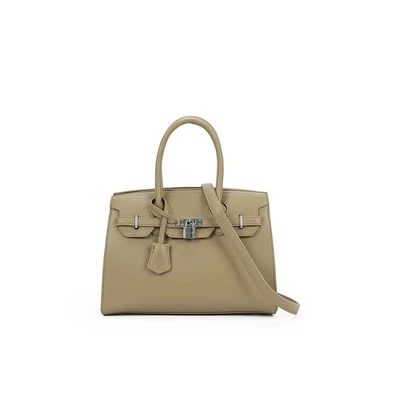
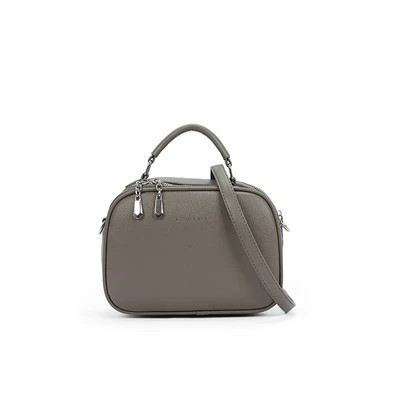
Nylon tote bags accented with Polyurethane (PU) leather trim represent the ultimate intersection of modern form and functional design. They are lightweight, water-resistant, and inherently chic-making them the absolute go-to choice for daily commutes, gym sessions, weekend travel, and supermarket runs.
However, because these bags combine two entirely different synthetic materials, caring for them isn't always straightforward. What works beautifully to clean durable nylon can permanently ruin delicate PU leather. If you have ever wondered why your favorite hybrid tote started peeling at the handles or sagged into a sad, shapeless blob, you are not alone.
This comprehensive, ultimate care guide is designed to help you navigate the nuances of maintaining, cleaning, restoring, and storing your nylon PU hybrid tote to ensure it stays pristine for years to come.
What's the Anatomy of Your Tote: Nylon or PU Leather?
To care for your bag effectively, you must first understand the opposing natures of the materials coexisting in its design. A hybrid tote typically features a high-density woven fabric body paired with synthetic leather accents.
Nylon: The Rugged Workhorse
Nylon is a synthetic polyamide fiber known for its incredible tensile strength, elasticity, and resistance to abrasion. It is inherently hydrophobic, meaning it repels water droplets on a surface level. However, because it is a woven textile, dirt, dust, and microscopic oils can become trapped within the weave over time. Nylon is highly sensitive to extreme heat (which can melt or warp the synthetic fibers) and possesses a chemical affinity for organic lipids (grease, body oils, and butter).


PU (Polyurethane) Leather: The Sensitive Aesthetic
PU leather is a composite material made by applying a liquid polyurethane coating to a backing fabric (usually polyester or cotton). It gives your tote a premium leather look without the animal cruelty or high price tag. Unlike genuine leather, PU does not need to be conditioned with heavy oils, but it is much more fragile than nylon. It is highly susceptible to hydrolysis (the chemical breakdown of polyurethane due to prolonged water exposure), chemical solvents, and physical friction, which eventually lead to the dreaded "peeling handles."


What Is the Master Guide to Spot & Stain Removal?
When a spill occurs, swift and material-specific action is required. Applying a harsh chemical cleaner across the entire bag can strip the PU coating instantly, while leaving a spot untreated on nylon can allow the stain to set permanently into the fibers.
Quick-Reference Stain Treatment Matrix
| Stain Type | Treatment for Nylon Body | Treatment for PU Leather Trim |
| Oil, Grease & Makeup | Talcum powder/cornstarch dry absorb, followed by liquid dish soap. | Wipe immediately with a mild soapy microfiber cloth. Do not use oils. |
| Ballpoint Ink | Targeted dab with isopropyl alcohol on a cotton swab. Keep away from PU! | Gentle wipe with a specialized PU leather cleaner or extremely diluted dish soap. |
| Jeans Dye Transfer | Mild laundry detergent pre-treat, followed by a warm water scrub. | Light rub with a damp melamine foam (Magic Eraser) using minimal pressure. |
| Coffee, Tea & Juice | Flush with cold water immediately, then scrub with diluted white vinegar. | Wipe with a damp cloth; dry immediately to prevent moisture penetration. |
| Mud and Wet Dirt | Let dry completely, brush off crust, then spot clean with soapy water. | Wipe away gently with a damp cloth. |
Step-by-Step Spot Removal Techniques
How to Banish Oil & Grease from Nylon
Because nylon is synthesized from petroleum products, it shares a chemical affinity with organic oils. If you drop salad dressing, lotion, or lip balm on your bag, do not use water first-water will only seal the oil into the woven fibers.
Absorb: Immediately dust the stain with a generous layer of talcum powder, cornstarch, or baking soda. Press it gently into the fabric and let it sit for 4 to 6 hours. The powder will draw the lipid molecules out of the nylon fibers.
Brush: Use a soft-bristled brush (like an old toothbrush) to gently sweep away the powder.
Emulsify: If a shadow of the stain remains, apply a single drop of clear, grease-cutting dish soap directly to the spot. Dampen a microfiber cloth with warm water and work the soap into a light lather using circular motions from the outside of the stain inward.
Rinse & Dry: Wipe the area with a clean, damp, soap-free cloth and let it air-dry.
How to Remove Dye Transfer from PU Handles
If you carry your tote against dark denim, indigo dye can easily transfer onto light-colored PU leather straps.
The Damp Magic Eraser Method: Wet a melamine foam sponge and squeeze out every drop of excess water.
Gently Buff: Using the lightest touch possible, gently swipe the sponge over the stained PU leather. Do not scrub aggressively. Melamine foam acts as an ultra-fine abrasive; too much pressure will rub the colored finish right off your PU leather.
Seal: Wipe the area clean with a dry towel.
What Is the Deep-Cleaning Protocol: A Safe Hand-Wash Routine?
Once or twice a year, your daily tote deserves a complete refresh to eliminate accumulated odors, dust, and deep-seated grime.
The Golden Rule: Never, under any circumstances, toss a hybrid Nylon/PU bag into a washing machine or tumble dryer. The agitation, soaking, and spinning will warp the nylon, dissolve the structural adhesives, and cause the PU leather accents to crack and peel.
Follow this meticulous hand-washing protocol to safely clean your bag from the inside out:
Phase 1: Preparation & Dry Debris Removal
Empty completely: Unzip every pocket and remove all items.
De-crumb: Pull the interior lining inside out if possible. Use a vacuum cleaner with a brush attachment or a sticky lint roller to collect crumbs, dust, and pocket lint from the deep corners of the interior.
Phase 2: The Gentle Bath
Fill a Basin: Fill a clean tub or large sink with lukewarm water. Avoid hot water, as it can weaken the adhesive bonds holding the inner linings and seams together.
Add Detergent: Mix in a tablespoon of a mild, dye-free, fragrance-free liquid laundry detergent or baby shampoo. Stir the water until it is lightly sudsy.
Wash the Nylon: Submerge the nylon portions of the bag into the water. Use a soft sponge or microfiber cloth to gently massage the fabric. Focus on the base of the bag and the areas around the zippers where hand oils collect.
Wipe the PU: Do not submerge the PU leather handles or trim for extended periods. Instead, use your soapy microfiber cloth to wipe them down thoroughly.
Phase 3: Rinsing
Drain the soapy water. Refill the basin with clean, cool water.
Submerge the nylon sections to rinse out the soap. Squeeze the fabric gently-do not wring or twist the bag, as this can permanently crease the internal structural sheets.
Wipe down the PU elements with a fresh, damp cloth dipped in clean water to ensure no soap residue remains (dry soap residue can dry out PU and accelerate cracking).
Phase 4: Drying (The Most Critical Step)
Press out excess water: Lay the bag flat on a clean, dry, plush bath towel. Fold the towel over the bag and press down firmly to absorb excess moisture.
Hang to dry: Use a padded hanger to hang the bag upside down by its interior fabric lining or base, keeping the weight off the wet PU straps.
Location: Dry the bag in a shady, drafty, well-ventilated indoor space. Keep it away from direct sunlight, radiators, heaters, and hair dryers. Direct heat and UV rays are the primary catalysts for both nylon yellowing and PU leather peeling.
What Is Shape Preservation: How to Banish Creases and Prevent Sag?
A beautiful tote should look structured, crisp, and clean. However, nylon is inherently floppy, and PU leather is prone to deep creasing if stored improperly.
Safely Removing Creases and Wrinkles
If your bag has been crushed in a suitcase or closet, do not reach for a flat iron. Direct high heat will melt nylon fibers instantly and blister the PU coating.
The Bathroom Steam Trick (Recommended): Hang your bag on a hook in the bathroom while you take a hot shower. The ambient humidity and gentle heat will penetrate the nylon weave and relax any stubborn creases naturally without risking heat damage.
The Shielded Ironing Method: If you must iron out a severe wrinkle, turn the bag inside out. Place a thick, damp cotton towel over the nylon fabric to act as a protective barrier. Set your iron to the lowest steam setting and press gently through the towel. Never let the bare iron touch the nylon or the PU leather.
Preventing the "Bottom Sag"
When you load a nylon tote with heavy items like a laptop, a tablet, and a heavy water bottle, the bottom of the bag inevitably sags, pulling the sides inward and ruining its silhouette.
Invest in a Base Shaper: A base shaper is a lightweight, rigid, rounded-corner plastic or vegan-leather insert designed to sit flat at the bottom of your tote. It distributes weight evenly, keeping the bottom flat and the sides of your bag crisp and upright.
Utilize Purse Organizers: Felt purse inserts not only organize your keys, pens, and cosmetics, but they also provide structural "walls" inside the bag, keeping your floppy nylon tote standing upright even when it is completely empty.
Storage Best Practices
Where your bag lives when it is not in use dictates how long it will last. Follow these storage guidelines to prevent premature aging:
Stuff It Before Storing: Never fold your hybrid tote flat for long-term storage. This creates permanent fold lines in the PU trim that will eventually split. Stuff the bag with acid-free tissue paper, clean cotton towels, or bubble wrap. Avoid newspaper, as the ink can easily transfer onto the interior lining.
Let It Breathe (Avoid Plastic Bags): Never store a PU leather bag inside a sealed plastic storage bin or bag. PU leather needs a small amount of ambient air circulation. Trapping it in plastic can create a micro-greenhouse effect, trapping moisture and triggering hydrolysis-the chemical reaction that causes the PU coating to liquefy, get sticky, and peel.
Use a Breathable Dust Bag: Instead of plastic, store your tote inside a breathable cotton or flannel dust bag to protect it from dust, pet dander, and light exposure.
Store on a Shelf, Not a Hook: Hanging a stuffed bag by its handles for months on end puts continuous mechanical stress on the PU straps and the stitching. Over time, this stretches the handles out of shape and weakens the attachment points. Store your stuffed tote upright on a shelf or flat in a drawer.
What Are Proactive Habits for Maximum Longevity?
To keep your nylon PU tote bag looking brand new, defensive maintenance is your best strategy. By adopting a few simple habits, you can prevent wear before it ever starts.
Apply a Protective Shield: Right after purchasing your bag (or after a deep clean), spray the nylon portions with a high-quality water and stain repellent (such as Scotchgard). This creates an invisible, hydrophobic barrier that prevents liquid spills from absorbing into the weave. Tip: Cover the PU leather parts with a cloth or painter's tape while spraying to protect the synthetic leather finish.
Mind the Load Limit: Nylon is incredibly durable, but the stitching connecting the nylon body to the PU handles is a mechanical vulnerability. Keep your daily carry under 10 lbs (approx. 4.5 kg) to prevent the seams from stretching and the PU handles from tearing at their anchors.
Rotate Your Bags: Our hands naturally secrete acidic oils and sweat. Carrying the same bag day after day exposes the PU handles to constant moisture and friction. Rotate your bags to give the materials time to dry out and rest.
By treating the nylon body with the deep cleaning it can handle, and treating the PU trim with the delicate care it requires, your hybrid tote will remain a stunning, reliable companion for your daily adventures.