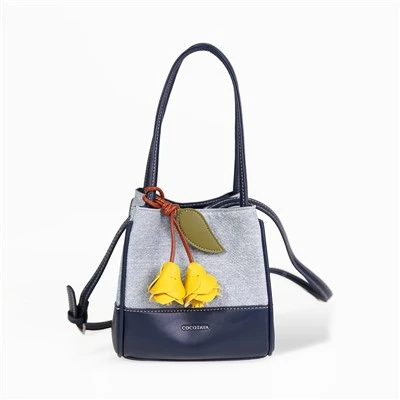
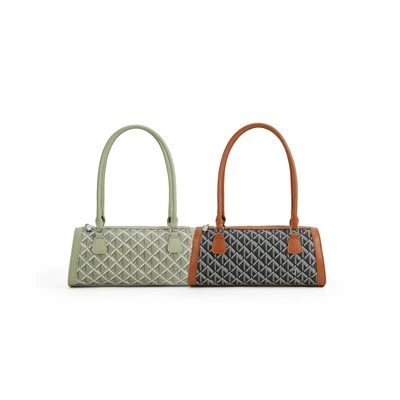
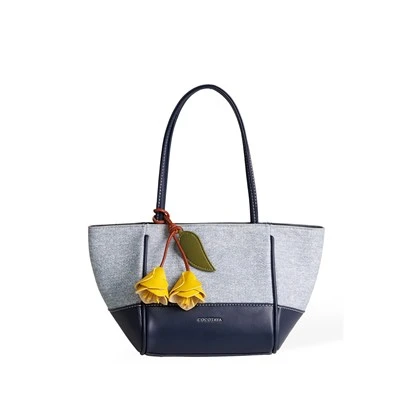
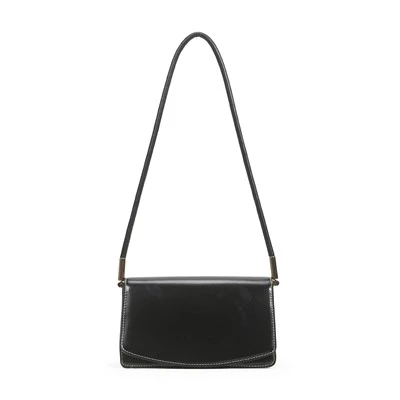
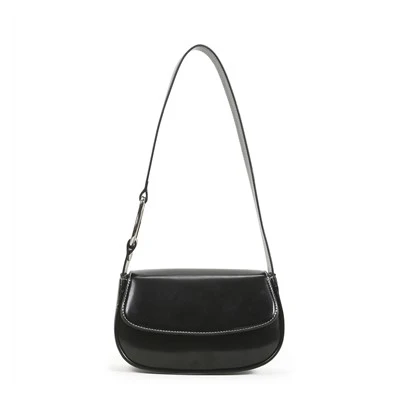
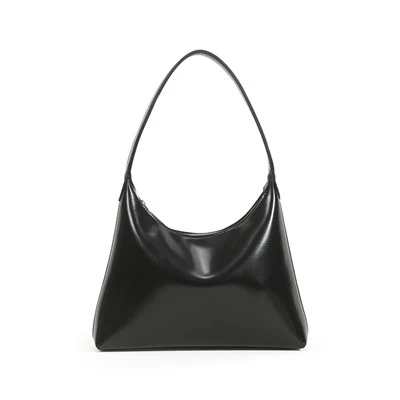
Tote bags have long reigned as the ultimate everyday accessory for fashion enthusiasts, working professionals, students, and casual dressers alike. Their spacious silhouette, versatile carrying design, and timeless usability make them a staple in every wardrobe, transcending seasonal trends and style boundaries. Yet, not all totes are created equal. When shopping for the perfect go-to bag, you will inevitably encounter two dominant categories: structured tote bags and slouchy tote bags. While both serve the core purpose of storing daily essentials, their differences in construction, silhouette, material feel, style positioning, and functional performance are night and day.
Choosing between a structured tote and a slouchy tote is never just a stylistic decision-it is a practical choice that impacts your daily convenience, outfit coordination, and even the longevity of your bag. A wrong pick can leave you with a rigid bag that feels heavy and restrictive for casual outings, or a floppy, unorganized bag that fails to meet professional workplace standards. In this in-depth guide, we will break down the core differences between structured and slouchy tote bags, covering their design traits, functional pros and cons, style compatibility, ideal use cases, and key buying tips to help you find your perfect match.
What are the Core Definition & Silhouette Differences?
The most intuitive distinction between structured and slouchy tote bags lies in their silhouette retention and structural design. This fundamental difference originates from their internal construction and material selection, laying the foundation for all their style and functional gaps.
Structured Tote Bags: Architectural, Fixed Silhouette
A structured tote bag is defined by its rigid, architectural build and consistent boxy silhouette. Crafted with reinforced internal frames, stiff base panels, thick supportive linings, and structured stitching, this type of tote maintains its full shape whether empty, half-full, or completely packed. It stands upright steadily on flat surfaces without collapsing, sagging, or wrinkling, delivering a crisp, polished, and tailored visual effect at all times.
Structured totes feature clean, sharp lines, defined corners, and a symmetrical shape. There is no loose drape or floppy excess fabric. Every detail from the vertical side panels to the flat reinforced base is engineered for stability and neatness. Classic structured tote designs include boxy work totes, rigid leather laptop totes, and framed business-style totes that prioritize geometric precision over softness.
Slouchy Tote Bags: Soft, Adaptive Silhouette
In sharp contrast, slouchy tote bags embrace fluidity, softness, and relaxed minimalism. Built without rigid internal frames or stiff reinforcement, these totes are made of supple, flexible materials that naturally drape and conform to their contents. When empty, they collapse gently and fold softly; when filled with daily items, they stretch loosely and form a casual slouched shape with natural creases and draping lines.
Slouchy totes have no fixed geometric shape. Their silhouette adapts dynamically to what you carry, creating a laid-back, effortless aesthetic. The soft curved edges and relaxed droop are their signature features, distinguishing them completely from the rigid, formal look of structured styles. Common slouchy tote variations include soft canvas totes, unstructured leather shoulder totes, and oversized casual day bags.
Material & Craftsmanship Differences
Material selection and manufacturing craftsmanship are the root causes of the two totes' structural and textural differences. Each style adopts targeted materials and techniques to amplify its core characteristics, further separating their style positioning and durability performance.
Materials for Structured Totes
Structured tote bags rely on firm, sturdy materials to sustain their fixed shape. The most popular options include thick full-grain leather, reinforced coated canvas, molded synthetic leather, and heavy-duty woven fabrics. These materials are scratch-resistant, wear-resistant, and inherently rigid, providing solid external support for the bag.
Beyond surface materials, structured totes adopt professional supportive craftsmanship. Most are equipped with hard base plates, internal stiffening layers, reinforced edge stitching, and metal frame hardware. Some high-end styles add hidden structural stitching to prevent deformation during long-term use. Thanks to these designs, structured totes resist bulging, warping, or sagging even when carrying heavy items like laptops, books, and office supplies.
Materials for Slouchy Totes
Slouchy tote bags prioritize softness and lightness, using pliable, flexible materials such as soft genuine leather, suede, lightweight cotton canvas, linen blend fabrics, and stretch synthetic materials. These materials have excellent ductility, allowing the bag to bend, fold, and drape freely without rigid constraints.
Craftsmanship for slouchy totes is minimalist and casual. They rarely use hard supports or thick linings, and most feature open, unstructured internal designs with flexible stitching that allows maximum material movement. The lack of rigid frames makes slouchy totes ultra-lightweight and foldable, easy to fold up and store in luggage or cabinets when not in use. However, their soft materials mean they are more prone to creases and less resistant to external extrusion deformation.
Functional Performance Comparison
Functionality is where structured and slouchy totes show the most practical gaps. Their structural differences directly affect storage organization, load-bearing capacity, portability, and daily usability, making them suitable for completely different daily scenarios.
Storage & Organization
Structured totes excel at organized storage and item protection. Their fixed internal space and stable shape prevent items from shifting randomly inside. Most structured totes come with standardized internal compartments, including dedicated laptop sleeves, document pockets, zippered small-item pouches, and pen slots. The independent partition design keeps laptops, notebooks, cosmetics, and stationery neatly separated without messy tangling or extrusion.
Thanks to their non-deformable shape, structured totes avoid the "bulging mess" problem. Even fully loaded, they maintain a neat exterior with no uneven protrusions, making it easy to find items quickly without rummaging through a chaotic bag interior.
Slouchy totes, by contrast, prioritize large-capacity flexibility over organization. Their unstructured open space can expand freely to hold oversized items like blankets, sportswear, water bottles, and umbrellas that rigid totes may struggle to fit. However, the lack of fixed compartments and structural support leads to poor internal order. Small items like keys, lipsticks, and cards easily sink to the bottom, and heavy items often shift freely, causing messy stacking.
Load-Bearing & Durability
Structured totes boast superior load-bearing performance. The rigid frame and thick reinforced materials evenly disperse weight pressure, effectively resisting deformation caused by heavy loads. Long-term carrying of heavy office supplies or electronic devices will not cause sagging or permanent shape distortion. Additionally, their firm surface materials are more resistant to scratches, stains, and friction, with stronger overall durability and a longer service life.
Slouchy totes are not designed for heavy loads. Excess weight will cause obvious sagging and permanent creases, gradually ruining their casual silhouette. Soft materials like suede and thin canvas are also more vulnerable to stains, scratches, and wear. While they perform well for light daily carrying, they are not ideal for long-term heavy-duty use.
Portability & Comfort
Slouchy totes win in daily comfort and portability. Their ultra-lightweight build and soft shoulder straps reduce shoulder pressure during long-time wearing. The flexible, foldable design makes them travel-friendly-they can be folded flat and tucked into suitcases for travel, shopping, or outdoor activities. Their soft body also avoids rigid friction with clothing or skin, delivering a more relaxed wearing experience.
Structured totes are relatively heavier due to internal supports and thick materials. Their rigid edges may cause slight friction when worn closely against the body, and they cannot be folded for storage. However, their stable shape brings unique convenience: they can stand independently on desks, floors, or cafe tables without tipping over, which is extremely practical for office and business scenarios.
Style & Outfit Compatibility
Beyond functionality, the two tote styles occupy distinct aesthetic positions in fashion. Their silhouette characteristics determine their outfit matching scope, suitable for different dressing styles, occasions, and personal temperament displays.
Structured Totes: Polished, Professional, Timeless Elegance
Structured totes represent minimalist sophistication and formal refinement. Their neat lines, symmetrical shape, and tailored texture convey a sense of rigor, professionalism, and high-end texture. They are the perfect accessory for formal and smart-casual dressing styles, perfectly matching business suits, blazers, formal dresses, tailored trousers, and office uniforms.
This style of tote elevates the overall sophistication of an outfit instantly. It avoids the casual, lazy feeling of soft bags, making the wearer look more neat, capable, and disciplined. Structured totes are also highly resistant to fashion trends-their classic architectural silhouette never goes out of style, making them a long-term investment accessory suitable for workplace elites, formal occasions, and business meetings.
Slouchy Totes: Casual, Lazy, Effortless Street Style
Slouchy totes embody lazy casualness and relaxed daily fashion. Their soft draping, natural creases, and unrestrained silhouette create a laid-back, approachable temperament. They are born for casual daily outfits, perfectly pairing with jeans, T-shirts, sweatshirts, casual dresses, sneakers, and loafers.
This tote style is the best choice for creating a relaxed, unpretentious daily look. It weakens the sense of formality and adds soft, gentle vitality to daily dressing. Oversized slouchy totes are especially popular in street fashion and casual minimalist styles, suitable for shopping, dating, campus life, weekend outings, and vacation scenarios. Their flexible and versatile style can easily adapt to various relaxed daily dressing combinations.
Ideal Use Cases: Which One Should You Choose?
To make the most suitable choice based on personal needs, we summarize the core applicable scenarios of structured and slouchy totes to help you match the right bag for your lifestyle.
Choose a Structured Tote If You:
Need a daily work bag for office commutes, business trips, and client meetings, requiring a professional and capable image
Regularly carry laptops, tablets, documents, and stationery, needing classified storage and item protection
Prefer neat, wrinkle-free bag silhouettes and dislike messy sagging or random deformation
Hope for a durable, trend-resistant accessory that can be used for years without being outdated
Often place your bag on office desks, conference tables, or public floors, requiring stable standing performance
Choose a Slouchy Tote If You:
Need a lightweight daily bag for casual outings, shopping, travel, and weekend leisure activities
Pursue a lazy, effortless fashion style and prefer soft, versatile accessories
Need flexible large capacity for storing casual items like snacks, scarves, water bottles, and cosmetics
Want a foldable, portable bag that is easy to store and carry during travel
Dislike heavy, rigid accessories and prioritize long-wearing comfort
Pros & Cons Full Recap
Structured Tote Bags
Pros: Fixed neat silhouette, no deformation; classified internal storage, high tidiness; strong load-bearing capacity, durable and wear-resistant; professional and elegant style, wide formal scenario adaptability; stable standing, convenient for placement; long service life, high cost performance.
Cons: Relatively heavy weight; non-foldable, inconvenient for compact storage; rigid texture with slightly lower wearing comfort; single style, poor adaptability for super casual looks; higher maintenance requirements for hard leather styles.


Slouchy Tote Bags
Pros: Ultra-lightweight and soft, comfortable to carry; foldable and portable, easy to store; flexible large capacity, strong item adaptability; casual and versatile style, suitable for most daily outfits; low wearing constraints, relaxed daily matching.
Cons: Prone to sagging and creases after loading items; messy internal storage, difficult item sorting; poor heavy-load resistance, easy permanent deformation; low degree of formality, unsuitable for business occasions; vulnerable materials, poor scratch and stain resistance.


How to Choose the Perfect Tote for Your Lifestyle
If you are still torn between structured and slouchy totes, the core selection principle is to prioritize usage scenarios and personal dressing habits, rather than blindly following trends.
For office workers, business practitioners, and professionals who need to maintain a formal image for a long time, a high-quality structured tote is an essential wardrobe staple. Its professionalism, durability, and storage practicality can fully meet daily work needs, and its timeless design can accompany you for years without elimination.
For students, fashion lovers, and people who pursue casual daily comfort, a slouchy tote is the best daily companion. Its lightness, versatility, and lazy fashion sense perfectly fit the relaxed rhythm of daily life, bringing comfortable and fashionable wearing experience for daily outings and leisure.
If you want both professionalism and casual versatility, you can opt for a semi-structured tote-a transitional style with slightly soft materials and mild structural support. It retains basic shape stability while having a certain casual drape, balancing formal and daily scenarios to achieve multi-scene universal use.
Final Thoughts
Structured tote bags and slouchy tote bags are never superior or inferior-they are designed for different aesthetic pursuits and functional needs. The structured tote represents precision, professionalism, and lasting elegance, serving as a powerful tool for formal scenarios and efficient life. The slouchy tote interprets relaxation, freedom, and casual vitality, recording the comfortable and trivial beauty of daily life.
Understanding their style and functional differences allows you to abandon blind shopping logic and select targeted accessories according to your own lifestyle. Whether you prefer the polished sophistication of a structured tote or the effortless casualness of a slouchy tote, the best tote bag is always the one that fits your daily habits, matches your personal style, and solves your practical carrying needs.
In the end, tote bags are more than just storage tools-they are extensions of personal temperament and life attitude. A reasonable choice of tote can not only improve daily convenience but also refine your overall dressing taste, making every daily outing more comfortable and stylish.