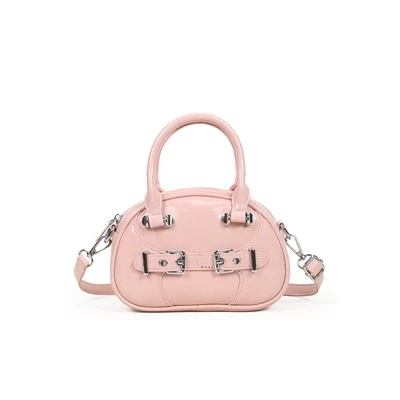
Every fashion enthusiast knows that an outfit is never truly complete without the right accessories. Among them, the handbag is arguably the most powerful. It is not merely a tool for carrying your daily essentials; it is a foundational pillar of visual styling. A handbag can anchor a floating silhouette, introduce a focal point of contrasting color, or completely shift the mood of an outfit from strictly professional to effortlessly casual.
Yet, one of the most common sartorial dilemmas when standing in front of a closet is a foundational one: Should I go with a small handbag or a large handbag?
The decision is rarely just about what you need to carry. Choosing between a micro-clutch and an oversized tote changes the proportions of your body, dictates the visual weight of your silhouette, and signals your readiness for specific social environments.
This comprehensive guide breaks down the core structural differences between small and large handbags, establishes universal rules for outfit matching based on visual weight, and details exactly how to choose the right bag scale for any occasion.
Visual Weight and Proportions: The Core Theory
Before exploring specific occasions, it is vital to understand the foundational styling principle that governs accessory choice: visual weight.
In fashion, visual weight refers to how much attention an item draws and how heavy or light it makes an outfit appear. Handbags carry immense visual weight because they break up the continuous lines of your clothing.
The Dynamics of Small Handbags
Small handbags-ranging from evening clutches and mini top-handles to compact crossbody bags-create focal points. Because they occupy very little physical space against the body, they do not overwhelm your clothing. Instead, they act like jewelry.
The Silhouette Effect: Small bags lengthen the appearance of the torso and legs because they leave more of your outfit exposed.
Proportion Rule: They pair exceptionally well with form-fitting silhouettes, delicate fabrics (like silk, satin, and lace), and intricate patterns that you do not want to obscure. However, when paired with heavy winter coats or highly voluminous layers, an exceptionally small bag can sometimes get "lost" visually, making the wearer look larger by contrast.


The Dynamics of Large Handbags
Large handbags-including structured work totes, slouchy hobo bags, and oversized shoppers-create structure and balance. They occupy a significant percentage of your overall visual real estate.
The Silhouette Effect: A large bag draws the eye downward or inward toward the hip or shoulder where it rests. It adds mass to your overall look.
Proportion Rule: Large bags pair naturally with relaxed tailoring, structured outerwear, and casual denim. The key to wearing a large bag is ensuring it does not swallow your frame. If you are petite, an oversized, unstructured bag can pull your silhouette downward. To counteract this, opt for a large bag with clean, geometric lines that maintain its shape independently.


Universal Handbag Style Matrix
To help categorize your collection, look at how small and large bags differ across key design attributes:
| Design Attribute | Small Handbags (Clutches, Minis, Crossbodies) | Large Handbags (Totes, Hobos, Weekenders) |
| Primary Visual Role | Accent piece; highlights outfit details; creates a lighter silhouette. | Anchor piece; establishes structure; provides functional substance. |
| Ideal Fabric Pairings | Silk, satin, fine knitwear, linen, lightweight cotton. | Wool, denim, heavy leather, structured gabardine, tweed. |
| Proportion Goal | Elongates the frame; preserves clean lines of tailored clothing. | Balances voluminous layers; grounds relaxed or oversized clothing. |
| Hardware Density | Often delicate (thin chain straps, small metallic clasps). | Substantial (thick leather straps, prominent buckles, sturdy zippers). |
Occasion-Based Matching Rules
The environment you enter dictates both the practical utility and the social etiquette of your bag choice. Here is how to match your handbag scale to specific settings.
Occasion A: The Professional Workplace & Business Meetings
In a professional setting, your handbag signals capability, organization, and authority.
The Golden Rule: Large Takes Center Stage
For traditional corporate environments, formal business meetings, or creative studio spaces, a large, structured handbag is the gold standard.
The Outfit Match: Pair a structured leather tote or a sleek top-handle brief-tote with sharp tailoring-think a structured blazer, a crisp button-down shirt, high-waisted wide-leg trousers, or a tailored sheath dress.
Styling Nuance: Avoid slouchy, unstructured tote bags (like canvas shoppers or soft suede hobos) in high-stakes professional settings. The lack of structure translates as overly casual. Choose bags with rigid baseboards and clean edges in neutral tones (black, espresso, tan, burgundy, or navy).
When to Choose Small in the Office
You can scale down to a medium-to-small bag only if you do not need to carry a laptop or documents-for instance, during a professional networking lunch or an internal office celebration. In these cases, select a small, structured top-handle bag in premium leather. Avoid anything with loud, glittering hardware or casual sporty nylon straps.
Occasion B: Casual Weekends, Errands, and Day Trips
Weekend style prioritizes movement, comfort, and an unstudied, effortless aesthetic.
The Golden Rule: The Mid-to-Small Crossbody Wins for Speed
When running errands, browsing a farmer's market, or meeting friends for a casual coffee, a small-to-medium crossbody bag or a sleek belt bag keeps you hands-free and mobile.
The Outfit Match: This bag scale pairs perfectly with casual staples: straight-leg denim, white sneakers, an oversized crewneck sweater, or a casual trench coat.
Styling Nuance: Let the bag contrast with your clothing. If you are wearing a neutral, monochromatic athleisure set, a small crossbody in a pop of color (like olive green, terracota, or cobalt blue) adds intentionality to an otherwise ultra-casual look.
When to Scale Up to Large on Weekends
If your weekend involves a full day trip, a beach outing, or serious shopping, a large, relaxed bag is entirely appropriate. Swap the corporate leather tote for a premium canvas tote, a woven straw basket bag, or a soft, slouchy suede hobo bag. Match these textures with relaxed-fit linens, oversized denim jackets, or flowy maxi dresses to keep the vibe breezy and intentional.
Occasion C: Formal Evening Events, Galas, and Weddings
Evening events require an immediate transition into high-glamour or refined minimalism. Functional utility takes a back seat to pure aesthetics.
The Golden Rule: Small is Non-Negotiable
Large bags are an absolute sartorial misstep at formal evening events. A large tote brought into a formal ballroom or a dim, upscale restaurant breaks the fantasy of the evening dress and introduces clunky, daytime energy. Small bags-specifically clutches, micro wristlets, or small chain pouches-are mandatory.
The Outfit Match: A silk evening gown, a cocktail dress, or a sleek velvet tuxedo suit demands a bag that matches its elegance.
Styling Nuance: Treat your small evening bag as jewelry. This is the place for high-shine materials: satin wraps, metallic leathers, pearl embellishments, or crystal closures. If your dress is highly ornate (sequined or heavily beaded), choose a understated matte silk clutch. If your dress is a minimal, clean silk slip, use a jewel-encrusted mini bag to create a striking focal point.
Occasion D: Brunches, Date Nights, and Casual Dining
This category sits comfortably in the middle: more elevated than running daytime errands, but less rigid than formal evening events.
The Golden Rule: The Small-to-Medium Shoulder Bag Rules
For date nights and upscale social gatherings, the 90s-style shoulder bag (baguette bag) or a small structured top-handle bag hits the absolute sweet spot. It holds your phone, keys, and lipstick without breaking up your silhouette.
The Outfit Match: Pair a small leather shoulder bag with a knit midi dress, a silk camisole tucked into high-waisted trousers, or a fashionable leather jacket over a skirt.
Styling Nuance: Wear the bag tucked closely under your arm. This draws the eye upward toward your face and shoulders, keeping the look intimate and polished. Avoid heavy, thick crossbody straps here, as they can cut across and disrupt the clean lines of dressier tops or delicate fabrics.
Cheat Sheet: The Handbag Selection Checklist
Before leaving the house, run through this quick decision matrix to ensure your handbag choice complements your outfit and destination perfectly:
What is my clothing silhouette?
Voluminous, oversized, or heavily layered? Ground it with a large bag or a cleanly structured mid-sized bag.
Form-fitting, tailored, or made of delicate fabrics? Preserve those lines with a small handbag.
What does the environment demand?
Corporate authority/utility? Go Large (Structured).
Hands-free mobility? Go Small/Medium (Crossbody).
Formal elegance? Go Small (Clutch/Pouchette).
Am I balancing my frame?
Petite frames: Ensure large bags have a defined geometric shape so they don't overpower you.
Tall/Broad frames: Ensure ultra-small bags have bright colors or interesting textures so they don't disappear against your silhouette.
By treating your handbag as a conscious choice in architectural balance rather than an afterthought, you instantly elevate the impact of everything you wear.