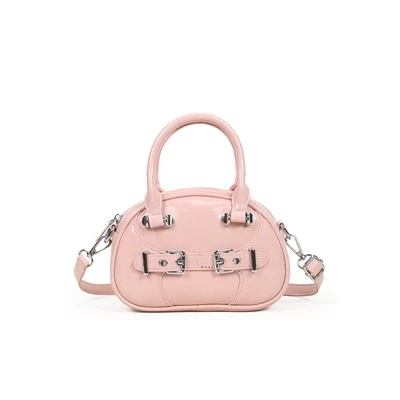
Choosing the perfect handbag is rarely just about color or size. The material defines the bag's personality, longevity, and how much work you'll have to put in to keep it looking fresh. In the vast ecosystem of fashion, two very distinct textures often find themselves competing for space in a woman's closet: Polyurethane (PU) leather and genuine Suede.
At first glance, they might seem like rivals. One is the champion of the budget-friendly, vegan movement, while the other is a symbol of luxury and tactile wealth. But which one is actually better? The answer, as with most things in style, depends entirely on what you value.
In this deep dive, we will strip away the marketing hype and look at the raw science and practical realities of PU vs. Suede. We will explore their durability, weather resistance, maintenance needs, aesthetics, and environmental impact to help you decide which material deserves a spot on your shoulder.
Part 1: The Basics – What Are These Materials?
Before we pit them against each other, we need to understand what we are actually dealing with.
What is PU (Polyurethane) Leather?
PU leather is a type of artificial leather made from a polymer (plastic) coating applied to a fiber base, usually polyester or cotton. Despite being synthetic, high-quality PU has come a long way from the shiny, stiff "pleather" of the 1990s. Modern PU can be embossed with grains that mimic the texture of animal skin, and it comes in finishes ranging from matte to high-gloss.


What is Suede?
Suede is a type of leather made from the underside of animal skin (usually cow, pig, goat, or lamb). While full-grain leather uses the smooth, tough outer layer, suede is created by splitting the hide to reveal the soft, napped underside. This process gives it that signature fuzzy, velvety texture. Because it uses the inner layer, suede is generally less durable and thinner than full-grain leather, but significantly softer.


Part 2: The Battle of Durability and Longevity
When you spend money on a bag, you want it to last. Here is how the two materials hold up over time.
PU Leather Bags: The Timer is Ticking
The biggest Achilles' heel of PU leather is its finite lifespan. Because it is plastic layered over fabric, it is susceptible to hydrolysis. This is a chemical reaction where moisture in the air breaks down the polymer bonds over time. In practical terms, a PU bag that sits in your closet for three or four years may start to peel, flake, or crack-even if you never wore it.
Advantages:
Scratch resistance: PU is more resistant to superficial scratching than suede.
Uniformity: Because it is manufactured, it has no scars or imperfections. It won't stretch out of shape easily.
Disadvantages:
Peeling: Once the top coat starts to go, the bag is trash. You cannot repair peeled PU.
Stiffness in cold: In winter, PU can become hard and brittle, increasing the risk of cracking.
Suede Bags: Durable but Delicate
Suede is a natural product. If treated well, a suede bag can last for decades. Unlike PU, suede does not rot or peel from age. However, it is physically weaker than full-grain leather. The nap (the fuzzy texture) is prone to abrasion. High-friction areas-like the bottom corners of a tote or the strap attachment points-will wear down, becoming shiny and smooth over time.
Advantages:
Lifespan: It can last 20+ years with proper care. It ages gracefully, developing a "patina" or a softened look that many vintage lovers adore.
Breathability: Suede allows air to pass through, preventing mold and mildew (as long as it stays dry).
Disadvantages:
Water sensitivity: This is the killer. Water stains suede permanently.
Abrasion: The nap can be rubbed off permanently.
Winner: Tie. For structural integrity and no peeling, suede wins. For resistance to daily scratches and scuffs, PU wins. But for longevity, suede will outlive PU if you protect it; PU has a built-in expiration date.
Part 3: The Weather Report – Rain, Snow, and Shine
If you live in Seattle or London, this section is your most important read.
PU Leather: The All-Weather Warrior
PU leather is essentially plastic. Water rolls right off it. If you get caught in a downpour with a black PU tote, you can simply wipe it dry with a cloth, and it will look brand new. It does not absorb moisture.
Advantages:
Rainproof: Perfect for rainy commutes.
Stain resistance: Coffee splash? Ketchup? Wipe it off. It won't soak in.
Disadvantages:
Heat sensitivity: While good with water, PU hates heat. Leaving a PU bag on a car seat in summer can cause the plasticizers to melt, making the bag sticky.
Oil stains: Oil is harder to clean off PU than water, but still manageable.
Suede: The Fair-Weather Friend
Suede and water are mortal enemies. When water hits the nap of the suede, it causes the fibers to swell and dry unevenly, leaving a dark, rough watermark that is notoriously difficult (often impossible) to remove without professional cleaning.
Advantages:
None. It has no weather advantages. Even high humidity can cause suede to stiffen over time.
Disadvantages:
No rain: You cannot wear suede in the rain or snow.
Salt stains: If you wear it in a city where they salt the sidewalks in winter, the white salt residue will destroy the color.
Mud: Nightmare fuel.
Winner: PU Leather – by a landslide. If you need a "grab and go" bag for unpredictable weather, PU is the practical choice.
Part 4: Cleaning and Maintenance (The Reality Check)
How lazy are you? Be honest. Your bag choice depends on the answer.
Maintaining PU Leather
PU is the queen of "low maintenance." For 90% of dirt, a baby wipe or a damp cloth with mild soap is all you need.
Daily care: Wipe down.
Stain removal: Dish soap + water.
Storage: Keep it in a cool closet away from radiators (heat accelerates peeling).
Cost: Free. You have cleaning supplies at home.
Maintaining Suede
Suede demands a ritual. You cannot just throw it in the washing machine. Suede requires a "suede kit" (a brush and an eraser). Every time you see a mark, you must gently brush the nap to raise the fibers.
Daily care: Brushing to maintain the nap direction.
Stain removal: Use a suede eraser for dry dirt. For water stains, you have to brush the entire bag to blend the mark.
Storage: MUST be stored in a dust bag. Sunlight fades suede. Dust settles into the fibers.
Cost: Moderate. You need specific tools and professional cleaning (30−30−60) every few years.
Winner: PU Leather. Unless you have a personal assistant or a fetish for brushing fabric, PU fits the modern, busy lifestyle better.
Part 5: Aesthetics and Texture (The Fashion Factor)
This is where logic leaves the room and emotion enters. You don't buy a bag just to store things; you buy it because it makes you feel a certain way.
The Vibe of PU Leather
Let's be honest: luxury brands like Gucci or Prada rarely make their main lines out of PU (with the exception of Stella McCartney, who champions "vegan leather" for ethical reasons). PU has the reputation of being "faux."
Look: High-quality PU can look exactly like shiny calfskin. However, cheap PU looks plastic and synthetic.
Touch: It is smooth and uniform. It does not have the warmth of skin. In cold weather, it feels cold to the touch, like plastic.
Best for: Structured bags (Satchels, top-handle bags, backpacks, belt bags). PU holds its shape perfectly because it doesn't stretch.
The Vibe of Suede
Suede is undeniably "rich." It whispers luxury because it is fragile and requires effort. It is associated with 70s boho chic and modern minimalist texture play.
Look: Matte, soft, and deep. Light plays on the nap, making colors look richer (a rust suede looks ten times better than rust PU).
Touch: It is warm and fuzzy. It invites touch. It has a "soul" because no two suede hides are identical.
Best for: Slouchy hobo bags, shoulder bags, clutches, and fall/winter accessories.
Winner: Suede. If your priority is looking expensive and feeling tactile pleasure, suede wins every time. PU can mimic leather, but it cannot mimic the depth of suede.
Part 6: The Price Tag – Value for Money
PU Leather: The Budget Champion
You can buy a decent PU bag for 20to20to50. High-end vegan PU can go up to $200 (e.g., Matt & Nat).
Cost per wear: Very low. If you buy a $30 PU bag and use it for two seasons, you got your money's worth.
Resale value: Zero. Nobody buys used PU because it peels.
Suede: The Investment
Genuine suede is expensive. A small suede crossbody might start at 80(low−end,thinsuede)butusuallyruns80(low−end,thinsuede)butusuallyruns150 to 500formid−range.High−enddesignersuede(Loewe,BottegaVeneta)is500formid−range.High−enddesignersuede(Loewe,BottegaVeneta)is1,000+.
Cost per wear: Potentially low if you wear it for 10 years.
Resale value: Moderate to high. Vintage suede bags from Coach or Dooney & Bourke hold decent value if kept clean.
Winner: PU (for the short term). If you want a bag for a specific vacation or a trend that will die next year, buy PU. Suede (for the long term). If you are building a "capsule wardrobe" and want to hand a bag down to a niece, buy suede.
Part 7: Animals and the Planet (Ethical Considerations)
This is a deeply personal decision.
The Ethics of PU Leather
Pros: Cruelty-free (no animals harmed). Vegan.
Cons: Made from crude oil and plastic. PU bags are not biodegradable. They will sit in a landfill for 500+ years. Furthermore, the production of PU involves toxic chemicals that can off-gas (that "new plastic smell" is volatile organic compounds). Many cheap PU bags are made in factories with poor environmental regulations.
The Ethics of Suede
Pros: Biodegradable (it will rot back into the earth). It is a byproduct of the meat industry. Usually, suede is made from cowhide; if we eat the cow, using the skin prevents waste.
Cons: The tanning process for suede often uses heavy metals (chromium), which is toxic to developing countries' water supplies. Plus, obviously, it requires animal death.
Winner: Neither is perfect. Hardcore vegans choose PU but harm the planet with plastic. Environmentalists choose suede (biodegradable) but harm the water table. The "greenest" choice is either second-hand suede or high-quality, water-based PU (which is rare and expensive).
Part 8: The Ultimate "Which One Should You Buy?" Flowchart
Let's make this simple. Based on your lifestyle, here is your answer.
Buy the PU Bag IF:
You live in a rainy climate. (Seattle, London, monsoon season).
You are a mom with toddlers. (You need to wipe off yogurt and apple juice easily).
You want a bag for a single "trendy" season. (Neon green hobo? PU is fine).
You are on a strict budget under $50.
You hate maintenance. You don't want to brush or store in dust bags.
Recommended PU Style: A structured tote or a black backpack. Avoid white PU (it stains from jeans dye) and avoid cheap $10 PU (it will peel in 2 months).
Buy the Suede Bag IF:
You live in a dry climate. (California, Arizona, Mediterranean summers).
You are a "car person." You go from house to garage to office. The bag rarely faces the open sky.
You value texture over practicality. You want your bag to look expensive.
You enjoy the ritual of care. You find brushing suede meditative.
You are buying for the long haul (5+ years).
Recommended Suede Style: A neutral color (taupe, beige, grey) which hides stains better than black or blue suede. Always buy a protective suede spray at the same time you buy the bag. Apply it immediately.
Conclusion
There is no "wrong" answer in the battle of PU vs. Suede-only mismatched expectations. PU leather is the reliable, waterproof, low-maintenance friend who is always there for a chaotic Tuesday commute, but who might fade away after a few years. Suede is the glamorous, high-maintenance acquaintance who requires a reservation and perfect weather, but who leaves an unforgettable impression.
Look at your life. Are you running for the bus in the rain with a coffee in hand? Buy the PU. Are you brunching in SoHo on a crisp Autumn Sunday? Buy the Suede.
The smartest women don't choose one; they keep one of each. A reliable PU tote for the work week, and a stunning suede shoulder bag for the weekend. Because in fashion, having the right tool for the moment is the ultimate luxury.