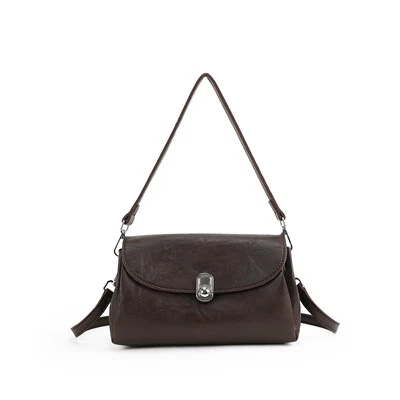
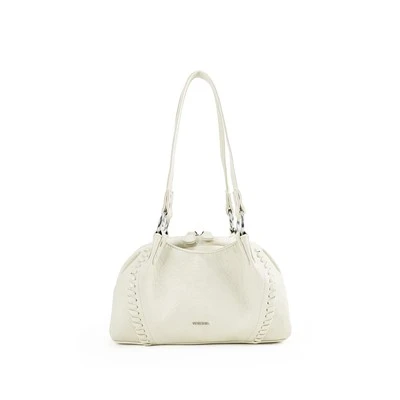
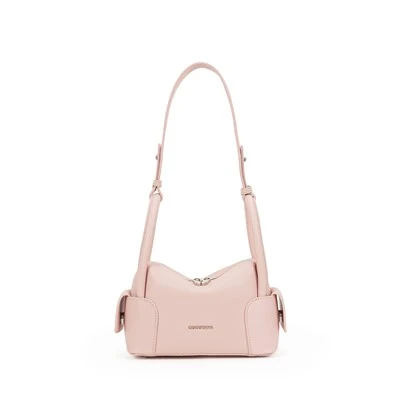
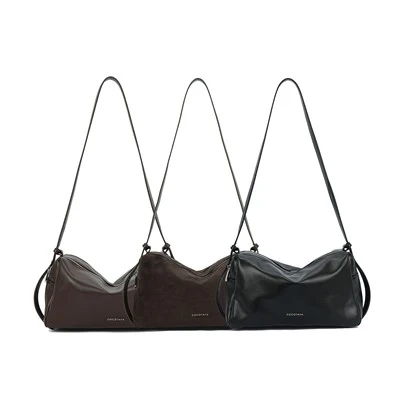
Decoding the Daily Carry: Comfort, Capacity, and Lifestyle Fit
Every morning, millions of people face a quiet but crucial decision: which bag will accompany them through the chaos of daily life? The choice between a tote bag and a shoulder bag might seem trivial, but anyone who has lugged an uncomfortable strap across a crowded train or rummaged frantically for keys in a bottomless pit knows that this decision shapes your entire day. Totes promise simplicity and space; shoulder bags offer structure and security. But which one truly deserves a spot in your daily rotation? The answer isn't one-size-fits-all-it depends on five critical categories that go far beyond mere aesthetics. Let's break down the showdown without a single logo in sight, focusing purely on function, feel, and real-world usability.
Category 1: Comfort and Ergonomics – What Your Shoulders and Back Will Thank You For
The first and most visceral difference between a tote and a shoulder bag hits you the moment you load them up. Tote bags, with their two short straps, are designed to be carried in the crook of your arm or over one shoulder. Shoulder bags, by contrast, typically feature a single, longer strap that rests diagonally across your body or hangs from one shoulder.
The Tote Bag Experience
At first glance, a tote feels liberating. You can swing it onto your shoulder in a single motion, and the wide opening allows for easy access. But spend a full day toting a laptop, water bottle, notebook, and lunch, and the romance fades. The short straps mean the entire weight of the contents pulls directly downward on the soft tissue of your shoulder. Without padding-and most totes forgo padding for a sleek look-that pressure creates a focused point of strain. After an hour of walking, you might find yourself switching arms every few minutes, then resorting to carrying the bag in your hand like a briefcase.
Moreover, the open-top design of many totes (though some have zippers) means weight distribution is uneven; heavy items settle at the bottom, creating a swinging pendulum effect as you walk. This forces your shoulder and core muscles to constantly micro-adjust, leading to fatigue faster than you'd expect.
The Shoulder Bag Experience
Shoulder bags, especially crossbody styles, excel in ergonomics. A well-designed shoulder bag distributes weight diagonally across your torso. The strap crosses your chest and back, transferring load from your shoulder to your ribcage and hips - much like a backpack's weight distribution but more compact. This makes a significant difference for anyone with neck or back sensitivity. Even heavy loads feel manageable because the bag doesn't bounce or slide off as easily.
However, not all shoulder bags are created equal. A bag designed only for one shoulder (non-crossbody) can still cause asymmetry issues. If you habitually carry a heavy shoulder bag on the same side, you risk developing rounded posture or shoulder dips over years of use. The strap width also matters: thin, chain-style straps dig in mercilessly, while wider, padded straps cradle your shoulder.
The Verdict for Everyday Comfort
If you carry minimal weight - a phone, cardholder, sunglasses, and a lip balm - either bag works fine. But for a typical workday or errand run with moderate heft, the crossbody shoulder bag wins on ergonomics. Totes shine only when you can keep them light or when you're moving short distances (like from car to office). For all-day wear, especially on public transit or walking tours, a shoulder bag with an adjustable, padded strap will leave you in less pain.
Category 2: Capacity and Organization – How Much Can You Really Carry?
Here's where the tote bag seems unbeatable at first. The classic tote is essentially a rectangular bucket with handles. You can stuff a surprising amount inside: a change of clothes, a small umbrella, a tablet, a lunch container, even a folded sweater. For parents juggling snacks and diapers, for students carrying textbooks, for anyone who treats their bag like a portable closet - the tote feels like a bottomless gift.
The Tote's Spaciousness – Blessing and Curse
But capacity without organization is chaos. Most totes feature a single cavernous compartment, perhaps with one small slip pocket sewn into the lining. This means everything you own collides into a jumbled pile. Your pens roll to the bottom, your keys tangle with your earbuds, and finding your transit card requires archaeological excavation. You can buy internal organizers (pouches, bags within bags), but that adds weight and cost. The tote forces you to either embrace minimalism or accept daily rummaging.
Another hidden downside: The lack of structure means soft totes collapse when set down. Items can spill out if the bag tips over. And because the opening is wide, pickpockets or nosy neighbors have a clear view of your belongings in crowded spaces.
The Shoulder Bag's System
Shoulder bags, particularly those designed for daily use, tend to offer multiple compartments. You'll often find a main zippered section, a front pocket with its own closure, a back slip pocket for your phone, and internal dividers for a water bottle or sunglasses. This architecture encourages - or enforces - organization. Your wallet goes in the back pocket, your keys clip to an internal lanyard, your laptop slides into a padded sleeve (if the bag is large enough). Everything has a home, and you can access each item without unpacking the whole bag.
The trade-off is obvious: less total volume. A shoulder bag that fits a 13-inch laptop probably won't also hold a gym outfit and a lunchbox. You have to edit your daily carry more ruthlessly. For many people, that's a feature, not a bug - it prevents overpacking and keeps your load lighter.
The Verdict for Capacity
Choose a tote when you need bulk capacity: grocery shopping, beach trips, bringing files to a meeting, or days when you're transporting items for others (extra jacket for a child, a friend's package). Choose a shoulder bag when you need smart, accessible organization for a curated set of essentials: work laptop, wallet, phone, notebook, keys, and a snack. The shoulder bag forces discipline; the tote indulges abundance. Which suits your daily reality?
Category 3: Durability and Material Considerations – The Long Haul
No bag is worth owning if it falls apart after three months. Both totes and shoulder bags come in a dizzying array of materials, from flimsy synthetics to heavy-duty natural fabrics and leathers. But certain design weaknesses plague each style regardless of material.
Where Totes Fail First
The classic tote's vulnerability is the strap attachment point. Because tote straps are sewn directly into the top edge of the bag (often without reinforcement), that seam bears all the weight. With heavy daily use, the stitches begin to pull apart. You'll notice tiny tears at the corners where strap meets body. Eventually, a catastrophic failure occurs - often in public, spilling your belongings onto a wet sidewalk. Reinforced cross-stitching or a fabric flap that extends down the sides of the bag can delay this, but many affordable totes skip these details.
The second weak point is the bottom. Soft totes have no base structure, so they drag on the ground when you set them down, abrading the fabric. Over time, the corners wear thin and hole. Waterproofing also matters: a canvas tote soaks up rain like a sponge, drenching your papers and electronics.
Where Shoulder Bags Struggle
Shoulder bags face their own durability demons, starting with the hardware. Buckles, clips, and strap adjusters - often made of plated metal or plastic - are the first to break. A plastic clip that snaps during a commute renders the bag useless until repaired. Cheap zippers are another culprit; they catch on fabric, separate behind the slider, or lose their pull tab. Because shoulder bags have more moving parts than totes, there's simply more that can go wrong.
Strap attachment also matters here, but shoulder bags typically use D-rings or swivel clips sewn into reinforced webbing or leather tabs. These distribute load better than a simple stitched strap. However, the strap itself - especially if it's a thin, non-adjustable length - can fray at the points where it rubs against your clothing or outerwear.
Material Showdown
Canvas and cotton: Great for lightweight totes, terrible for rain. Nylon and polyester: Excellent for both styles if thickness is adequate (denier rating above 600). Leather: Beautiful for shoulder bags and upscale totes, but requires maintenance (conditioning, avoiding water stains). Recycled materials: Increasingly common, but durability varies wildly. None of these are brand-specific; what matters is stitch density (more stitches per inch = stronger), thread type (polyester thread outlasts cotton in rot resistance), and seam construction (flat-felled seams are superior to plain seams).
The Verdict for Durability
A well-made tote with reinforced strap attachments, a structured bottom panel, and water-resistant fabric can last years. A well-made shoulder bag with solid metal hardware, a continuous-stitch zipper, and a replaceable strap can last a decade. The tiebreaker: repairability. Shoulder bags often allow you to replace the strap or a zip pull. Totes, when they fail at the strap seam, are usually beyond repair. For everyday use where you might overload the bag, the shoulder bag has the edge on longevity - provided you don't buy the cheapest version of either.
Category 4: Versatility and Style – From Boardroom to Bar
A bag that works for morning meetings, afternoon errands, and evening dinner dates saves you from owning a collection of single-use carriers. Here, the battle is less about physics and more about visual language.
The Tote's Chameleon Nature
The humble tote bag has undergone a remarkable transformation. Once the domain of beach-goers and book carriers, the tote now appears in minimalist designs that complement everything from jeans to tailored trousers. Its virtue is its blankness: a solid-colored, unadorned tote in natural linen, black canvas, or tan leather matches almost any outfit. The lack of visible hardware or complex straps reads as effortless, not try-hard.
However, the tote's openness presents a styling challenge in crowded or formal settings. At a concert or on a subway, holding a wide-open bag against your body can feel awkward. In a nice restaurant, a massive tote may bump into chairs or sit clumsily on your lap. And while some totes can fold into a small pouch (great for travel), most retain their boxy shape, making them less adaptable to different scenarios within a single day.
The Shoulder Bag's Refined Role
Shoulder bags, especially those with adjustable straps and clean silhouettes, can shift from casual to formal more seamlessly. Shorten the strap to carry it as a top-handle bag and it becomes an elegant accessory. Lengthen it for crossbody wear and it transforms into a practical day bag. The presence of zippers and structured shapes often reads as more intentional and polished than a floppy tote.
But shoulder bags have a potential drawback: size. A small shoulder bag looks chic but won't hold a tablet or water bottle. A large shoulder bag can look bulky and overwhelmed on a petite frame. And certain shoulder bag styles (think messenger bag) carry a distinctly casual or utilitarian vibe that might feel out of place at a wedding or job interview. The shape matters enormously - a sleek crescent shoulder bag differs from a chunky flap bag.
The Style Verdict
For pure versatility across multiple contexts, the shoulder bag with adjustable strap length wins by a hair. You can wear it three ways (shoulder, crossbody, handheld) to match your setting. The tote is more limited in wearing options but offers a minimalist aesthetic that never fights your clothing. Ultimately, your personal style dictates the winner: if you prefer a "throw it all in and go" attitude, tote; if you like segmented, intentional accessories, shoulder bag.
Category 5: Security and Accessibility – Keeping Your Life Safe and Within Reach
The final category might be the most overlooked until you experience a theft or a moment of panicked fumbling. How quickly can you grab your phone? How easily can a pickpocket dip into your bag? How secure is your laptop when you set the bag down?
Tote Bag Vulnerabilities
The open top of a standard tote is an invitation in crowded spaces. On a busy sidewalk or packed bus, anyone next to you can reach in and lift a wallet before you notice. Even totes with a central magnetic snap or a zipper closure often use short zippers that don't seal the full opening. Worse, tote straps are easy to slice with a sharp blade; the bag can be yanked from your arm in seconds.
Accessibility, however, is fantastic. Need your phone? Reach straight down without unzipping anything. Want to grab a water bottle? It's right there. This ease of entry serves you well in line at the coffee shop or when you're juggling groceries. The trade-off is that it serves thieves just as well.
Shoulder Bag Safety Features
Shoulder bags, especially crossbody styles, naturally increase security. The bag stays pressed against your body, often in front of your hip or chest, where you can see and feel it. Many designs place the main zipper opening against your body when worn crossbody, making it nearly impossible for someone to open without your awareness. Anti-slash straps (with embedded steel cables) exist, though they're not standard. The long strap also makes it harder to grab and run - the bag wraps around your torso.
Accessibility is the shoulder bag's weak spot. To retrieve anything, you typically need to locate the zipper pull, slide it open, reach into a potentially tight compartment, and reverse the process. While you get faster with practice, you'll never match the tote's one-second dip. Some shoulder bags include a quick-access back pocket (facing your body) for your phone - a clever compromise.
The Verdict for Security and Accessibility
For high-traffic urban environments, public transit, or travel, the shoulder bag is unequivocally safer. For low-risk settings like your own neighborhood, a quiet office, or a day at the park, the tote's superior accessibility is a genuine pleasure. Think about where you spend most of your daily hours. Commuters on subways should prioritize security; suburban parents running school pickups might prioritize speed.
Final Comparison Table (A Quick Reference)
| Category | Tote Bag | Shoulder Bag |
|---|---|---|
| Comfort | Good for light loads, poor for heavy all-day carry | Excellent with crossbody strap and padding |
| Capacity | High volume, low organization | Moderate volume, high organization |
| Durability | Strap attachments fail first; harder to repair | Hardware fails first; often repairable |
| Versatility | Minimalist style but limited wearing options | Adjustable strap allows 3+ wearing styles |
| Security | Open tops are vulnerable; very accessible | Zipped, body-hugging; less accessible |
The Bottom Line: Which One Should You Choose?
There is no universal winner, and anyone who claims otherwise is selling something. The right everyday bag depends entirely on your specific pattern of life.
Choose a tote bag if:
You regularly carry bulky or odd-shaped items (lunch containers, sweaters, books)
You prefer grabbing things without fumbling with zippers
Your daily environment is low-theft (office, small town, your own car)
You're willing to use internal pouches or organizers
Short commutes or minimal walking are your norm
Choose a shoulder bag if:
You walk long distances or use crowded public transit
You carry a laptop and want padded, organized protection
Back or shoulder pain concerns you
You value quick-access pockets and anti-theft features
You want one bag that transitions from day to evening
The wisest approach? Own both. Keep a simple, lightweight tote for weekends, beach days, and grocery runs. Invest in a well-constructed shoulder bag for work, travel, and long days out. They serve different masters, and your shoulders, back, and sanity will thank you for choosing the right tool for each job.
Now, go examine the bag you carried today. Did it serve you well? Or is it time for a change? The perfect everyday bag doesn't exist - but the right one for you certainly does.