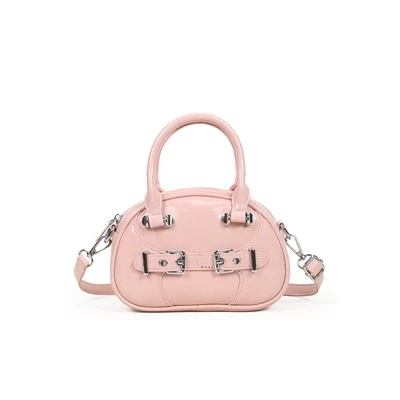
A crossbody bag is arguably the most functional accessory in modern fashion. Leaving your hands free while keeping your essentials secure, it seamlessly bridges the gap between utility and style. However, many people purchase a crossbody based purely on design, color, or brand, only to discover that it looks awkward when worn, feels uncomfortable after an hour, or completely throws off their outfit's balance.
The secret to choosing the perfect crossbody bag lies in understanding visual weight, scale, and body proportion. A bag does not exist in isolation; once slung across your torso, it becomes an integral structural element of your silhouette. A bag that is too small can look like an afterthought on a tall frame, while an oversized tote converted into a crossbody can easily swallow a petite body type.
This guide breaks down every size category, analyzes how bag shapes interact with various body types, examines the critical role of strap drop length, and provides an actionable blueprint to help you find your ideal crossbody bag.
What Is the Crossbody Size Spectrum: Dimensions, Capacity & Use Cases?
Before matching a bag to your body frame, you must understand standard bag sizing. Crossbody bags generally fall into five distinct size categories.
Micro Crossbody Bags
Average Dimensions: Width: 4" – 6" | Height: 3" – 5" | Depth: 1" – 2"
Capacity: Lip balm, credit cards, key fob, and perhaps a slim smartphone (if un-cased).
Visual Profile: Minimal, jewellery-like, high-impact aesthetic.
Best Used For: Formal events, night outs, cocktail parties, or minimalist errands where you want to carry almost nothing.
Styling Impact: Acts more like an accent piece or necklace than a functional bag. It adds a pop of color or texture without altering your body's natural lines.
Small Crossbody Bags
Average Dimensions: Width: 6.5" – 8.5" | Height: 5" – 6.5" | Depth: 2" – 3"
Capacity: Smartphone, small card holder or slim wallet, keys, lipstick, compact mirror, and hand sanitizer.
Visual Profile: Neat, compact, tailored, and unobtrusive.
Best Used For: Casual day-outings, weekend walks, dining out, sightseeing, and travel when keeping weight light is essential.
Styling Impact: Subtle and universally flattering. It adds detail across the torso without breaking the vertical line of your posture.
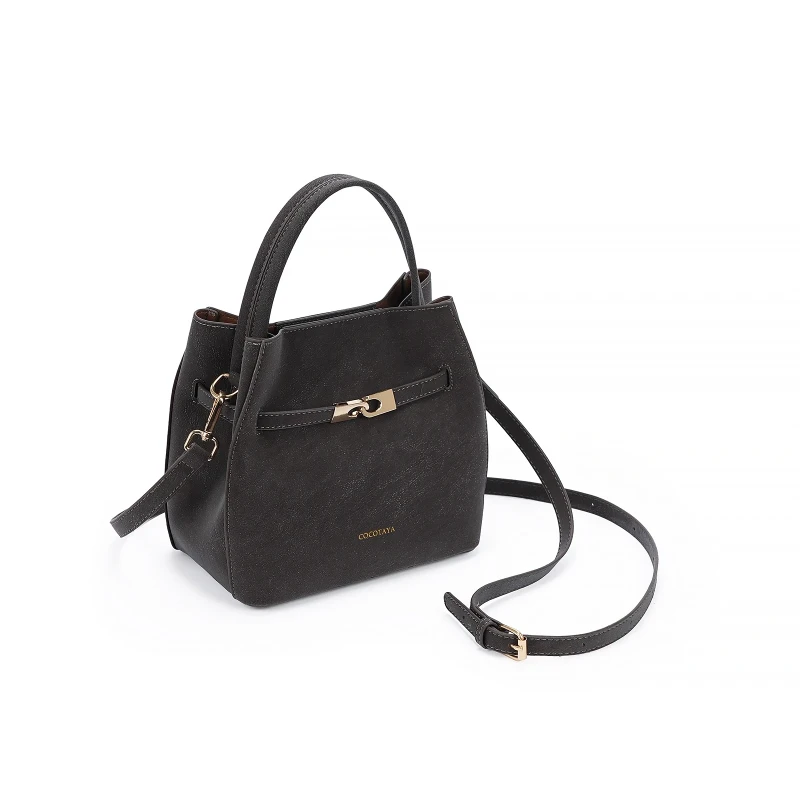

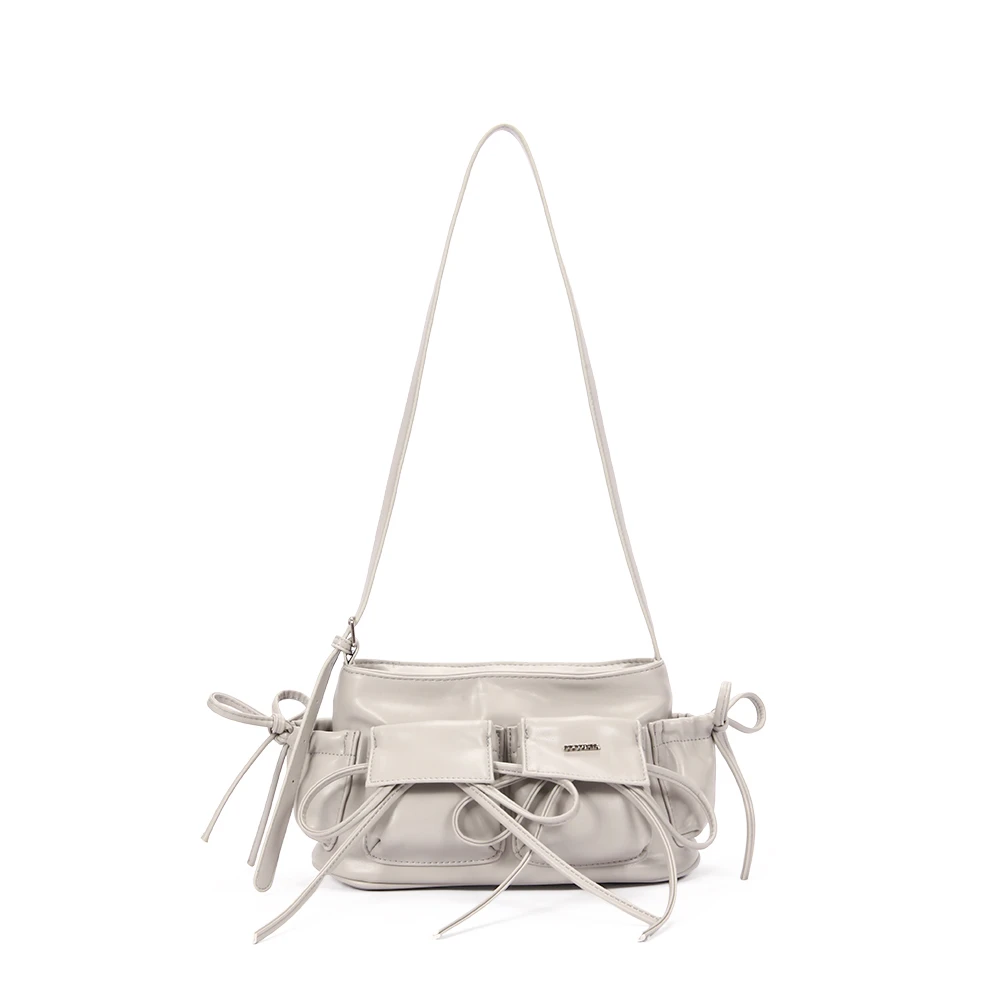
Medium Crossbody Bags
Average Dimensions: Width: 9" – 11" | Height: 7" – 8.5" | Depth: 3" – 4.5"
Capacity: Full-sized wallet, smartphone, sunglasses with hard case, small cosmetics pouch, mini umbrella or e-reader (Kindle/iPad Mini).
Visual Profile: Balanced, classic, functional yet structured.
Best Used For: Everyday wear, casual office environments, weekend trips, and all-day errands.
Styling Impact: The "goldilocks" size for most wardrobe styles. It creates a defined focal point on the hip, waist, or lower torso.
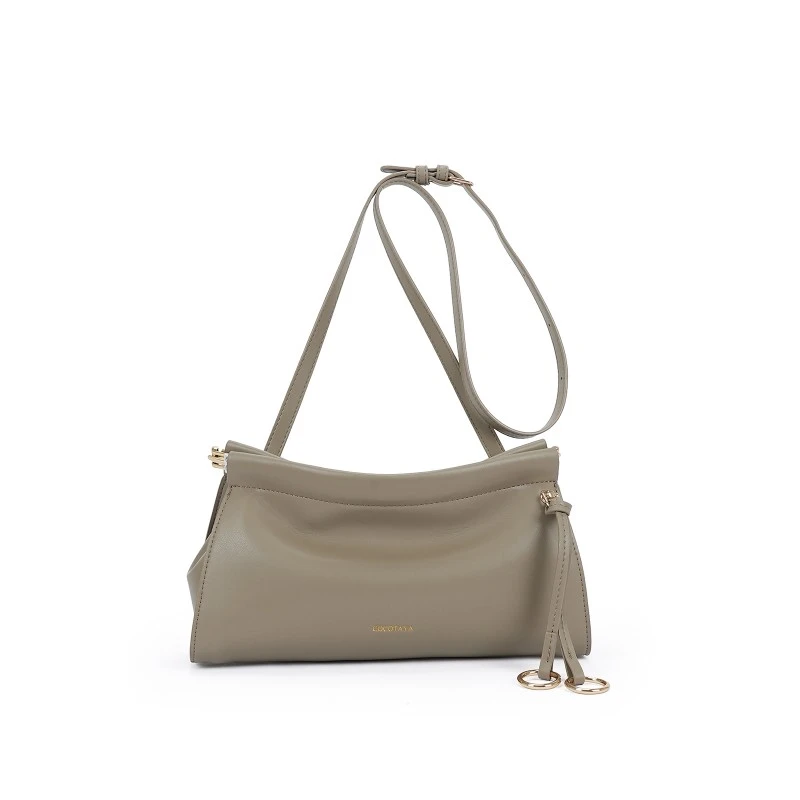
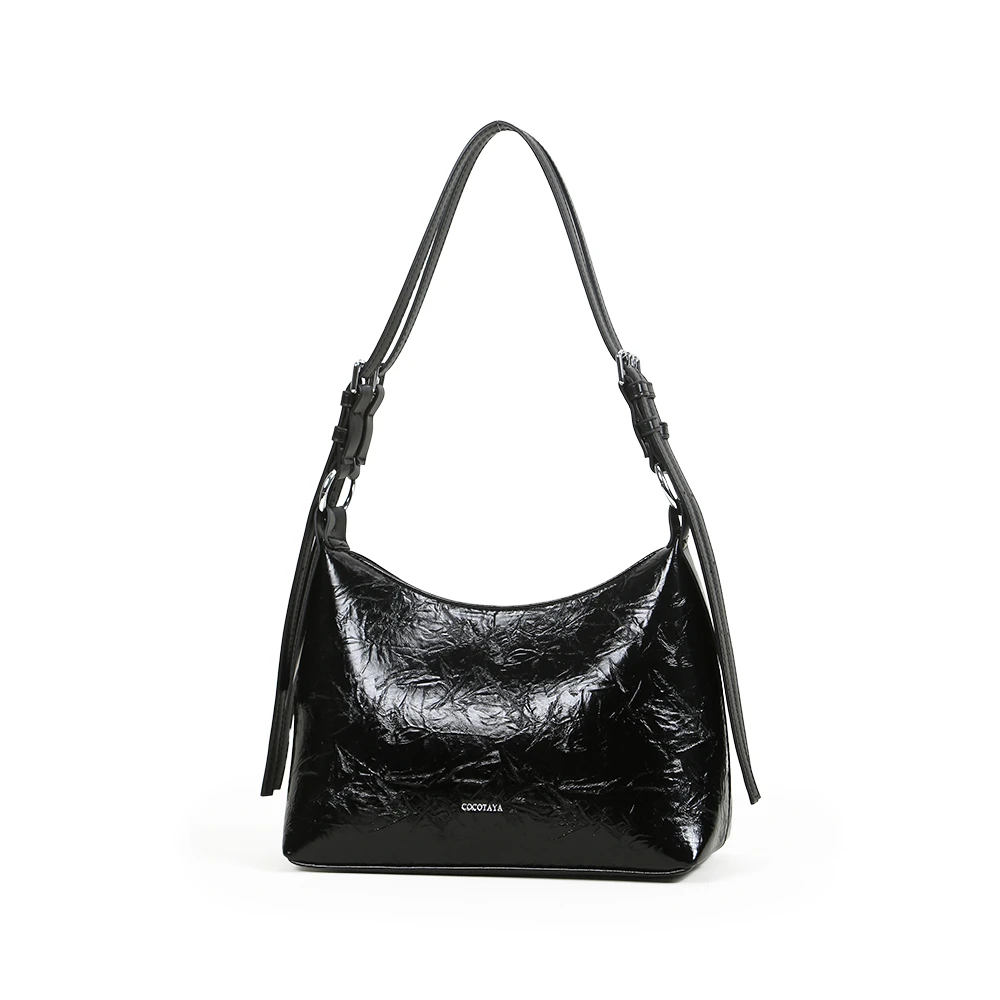

Large Crossbody Bags
Average Dimensions: Width: 12" – 14" | Height: 9" – 11" | Depth: 4" – 5.5"
Capacity: Standard iPad/tablet, small water bottle, full makeup kit, continental wallet, notebook, pouch, and lightweight sweater.
Visual Profile: Substantial, relaxed, slouchy, or utility-driven.
Best Used For: Workdays, travel days, parents on the go, or students who need hands-free utility with maximum capacity.
Styling Impact: High visual weight. Commands attention and significantly impacts the perceived proportions of your hips, torso, and height.
Extra Large (XL) & Messenger Crossbody Bags
Average Dimensions: Width: 15"+ | Height: 12"+ | Depth: 5"+
Capacity: 13" to 16" Laptop, A4 documents, change of clothes, water bottle, tech accessories, and daily essentials.
Visual Profile: Utilitarian, oversized, casual, or streetwear-inspired.
Best Used For: Commuting, air travel, gym-to-office transitions, and urban exploration.
Styling Impact: Dominates the outfit visually. Requires careful styling to prevent the wearer from looking overwhelmed by fabric and leather.
Crossbody Size Comparison Chart
| Bag Size | Width Range | Typical What-Fits | Best Occasion | Relative Visual Weight |
| Micro | 4" – 6" | Cards, keys, lip gloss | Evening, formal, events | Very Low |
| Small | 6.5" – 8.5" | Phone, small wallet, keys, cosmetic touch-up | Brunch, errands, light travel | Low to Moderate |
| Medium | 9" – 11" | Full wallet, phone, sunglasses, Kindle | Daily use, office, sightseeing | Moderate |
| Large | 12" – 14" | Tablet, water bottle, pouch, notebook | Work, long days, travel | High |
| Extra Large | 15"+ | Laptop, documents, extra layer, water bottle | Commuting, travel, school | Very High |
What Are The Golden Rules of Scale and Proportion?
To master crossbody styling, keep three basic aesthetic principles in mind:
The Rule of Counterbalance: If your body type features natural volume in a specific area (e.g., full bust or wide hips), placing a bulky bag directly over that area doubles the visual volume. Offsetting or resting the bag adjacent to your narrowest points creates balance.
The Scale Symmetry Principle: The size of your bag should generally correspond to your overall frame size. Smaller frames look best with smaller accessories; larger or taller frames can effortlessly anchor larger accessories.
The Focal Point Effect: Wherever the bag rests-whether at the upper ribcage, waist, upper hip, or low thigh-becomes a primary point of visual contrast.
What Is the Detailed Size Guide for Every Body Type?
A. The Petite Frame (Height: Under 5'4" / 162 cm)
For petite body types, the primary challenge is preserving vertical height without letting accessories shorten your stance or cut your frame in half.
Ideal Bag Sizes: Small to Compact-Medium (6.5" to 10" wide).
Sizes to Approach with Caution: Oversized totes, deep XL messengers, and extra-wide satchels (>13" wide).
How to Style for Petite Frames:
Placement Matters: Adjust your strap so the top of the bag sits around your high hip or natural waistline. Allowing a bag to drop down to your mid-thigh drags your center of gravity downward, making legs appear shorter.
Shape Dynamics: Opt for structured, clean silhouettes. Boxy rectangles, camera bags, and compact saddles add definition without taking up too much torso space.
Strap Proportions: Keep straps slender to medium width (0.5" to 1.25"). Extra-thick guitar straps can swallow a narrow shoulder and petite chest frame.
Pro Tip for Petites: Avoid thick, rigid base plates on bags wider than 10 inches. When a stiff bag sticks out significantly from your side, it expands your profile horizontally and disrupts long, clean outfit lines.
B. The Tall and Lean Frame (Height: 5'9"+ / 175 cm+)
Tall, slender frames have the clearance to carry substantial volume, but they face the opposite problem of petite frames: micro and mini bags can look dwarfed or disproportionate.
Ideal Bag Sizes: Medium, Large, and XL Messenger styles (10" to 15" wide).
Sizes to Approach with Caution: Ultra-micro bags (<5" wide) unless worn intentionally as layered jewelry.
How to Style for Tall/Lean Frames:
Embrace Soft Structures: Slouchy hobo styles, crescent bags, and soft leather messenger bags complement a long, vertical line by adding soft horizontal texture.
Strap Drop Length: Ensure the strap is long enough to let the bag rest comfortably near the hipbone. A strap that is too short can make a tall frame look cramped. Look for straps with an adjustable drop length of at least 20 to 24 inches.
Play with Statement Shapes: Uniquely shaped bags-such as wide bucket bags, structured duffels, or oversized geometric crossbodies-anchor tall proportions without feeling overwhelming.
C. The Curvy & Plus-Size Frame
When styling a curvy or plus-size body type, the goal is to balance midsection volume, provide comfortable strap length, and ensure the bag sits flat against the torso without digging in.
Ideal Bag Sizes: Structured Medium to Large bags (9.5" to 13" wide).
Sizes to Approach with Caution: Tiny micro bags (which can highlight body volume by contrast) and overly pouchy, shapeless oversized sacks.
How to Style for Curvy & Plus-Size Frames:
Prioritize Structure: Clean, geometric shapes (structured saddles, crisp rectangular cameras, or tailored flap bags) add clean lines that contrast nicely with soft curves.
Cross-Chest Placement: Wear the strap diagonally so the bag rests flat against your lower side-rib or high hip. Avoid placing the bag directly over the fullest part of the stomach or hip.
Strap Width & Comfort: Look for straps that are 1.25" to 2" wide. Wider straps distribute weight evenly across the chest, prevent digging at the shoulder, and create a flattering, streamlined line across the torso.
Check the Total Strap Length: Standard 45-inch straps may run short on fuller busts or wider torsos. Look for adjustable straps that extend up to 52–58 inches for a comfortable drop.
D. The Pear / Triangle Body Shape (Broader Hips & Thighs, Narrower Shoulders)
For pear-shaped bodies, visual weight naturally resides around the hips and thighs. The goal is to draw the eye upward toward the waist and torso.
Ideal Bag Sizes: Small to Medium bags (7" to 10" wide).
Key Placement Rule: Rest the bag above the hip line-ideally at the natural waistline or mid-ribcage level.
How to Style for Pear Shapes:
High-Sling Styling: Wear your crossbody bag higher up on the body (fanny-pack style or high cross-chest). This draws attention to your narrower waistline and upper torso, balancing your lower body.
Avoid Low-Hip Rest: A bag that sits right at the widest point of the hip adds physical and visual width to that area.
Eye-Catching Details: Choose bags with top hardware, bright colors, contrasting straps, or metallic accents that draw the eye upward.
E. The Inverted Triangle Frame (Broad Shoulders, Narrower Hips)
If you have broad shoulders, a fuller bust, and narrow hips, your objective is the opposite of the pear shape: you want to direct visual weight downward to balance your silhouette.
Ideal Bag Sizes: Medium to Large bags (10" to 13" wide) with softer, rounded silhouettes.
Key Placement Rule: Rest the bag at or slightly below the hip bone.
How to Style for Inverted Triangles:
Lower Drop Height: Adjust your strap so the bag hangs lower on the body, resting right near the hip or upper thigh. This adds volume to your lower half and balances broad shoulders.
Soft & Rounded Forms: Saddle bags, soft buckets, and slouchy crescents soften a strong, angular upper frame.
Keep the Chest Clear: Avoid wearing wide, heavily decorated straps that cross directly over a full bust, as this adds unnecessary volume up top.
F. The Hourglass Body Shape (Balanced Bust & Hips, Defined Waist)
An hourglass figure has proportional upper and lower halves with a clearly defined natural waist. The goal is to preserve this natural symmetry without obscuring the waistline.
Ideal Bag Sizes: Compact-Medium to Medium bags (8" to 11" wide).
Key Placement Rule: Right at the curve of the high hip or natural waist.
How to Style for Hourglass Shapes:
Tailored Contour: Choose bags that hug the side of the torso naturally. Soft crescent bags and contoured saddle shapes follow the body's natural curves comfortably.
Proportional Balance: Extremely large, boxy utility bags can block the waist, while tiny micro bags can look lost against full proportions. Mid-sized structured bags maintain this natural balance best.
G. The Athletic or Rectangular Frame (Balanced Shoulders & Hips, Straight Waist)
An athletic frame features clean, straight lines with minimal waist definition. The goal here is to introduce visual interest, curve, and texture.
Ideal Bag Sizes: Small, Medium, or uniquely shaped statement bags (7.5" to 11" wide).
Best Styles: Circular bags, saddle curves, crescents, buckets, and soft slouchy hobos.
How to Style for Athletic Frames:
Introduce Curved Lines: Rounded silhouettes break up straight vertical lines and create a softer profile.
Chest Slings & Asymmetry: Wearing a pouch or crescent bag diagonally high across the chest breaks up a uniform torso and adds dynamic style.
Experiment with Textures: Woven leather, suede, quilting, hardware studs, and chain-link straps all add depth and dimension to clean, athletic outfits.
What Are Strap Length and Drop Height: The Hidden Variables?
Selecting the right bag dimensions is only half the battle. Strap drop height determines exactly where the bag sits against your body, directly affecting your posture, proportions, and daily comfort.
Understanding Strap Dimensions
Total Strap Length: The end-to-end measurement of the strap when completely laid out flat (typically ranges from 40" to 58").
Strap Drop Height: The vertical distance from the top apex of the strap (where it rests on your shoulder) down to the top edge of the bag itself.
Standard Strap Drop Benchmarks
18" – 20" Drop: Best for short torsos, petite frames, or high-chest sling styling.
21" – 23" Drop: The universal sweet spot for average heights (5'4" to 5'8") resting near the hip.
24" – 26"+ Drop: Ideal for tall frames (5'9"+), plus-size torsos, or thick winter outerwear.
Choosing Strap Width: Aesthetics vs. Ergonomics
The width of your strap changes both the look of your outfit and how comfortably the bag carries weight throughout the day.
Thin Straps (< 0.75" / 2 cm): Delicate and dressy. They work best on small or micro bags. However, carrying heavy items on a thin strap creates a "cheesewire effect" that can dig uncomfortably into your shoulder.
Medium Straps (1" to 1.5" / 2.5 cm to 3.8 cm): The most versatile option. They provide good weight distribution for daily carry while maintaining a refined, tailored aesthetic.
Thick / Webbed Straps (1.75" to 2.5" / 4.5 cm to 6 cm): Highly ergonomic for heavier bags. These wider straps broaden the impact across your shoulder and introduce a sporty, modern look. However, they can overwhelm delicate frames or formal attire.
What Is Occasion-Based Sizing: Matching Function to Form?
While body type dictates how a bag looks on you, your daily activity dictates how functional it will be. Use this reference framework to balance style with practicality:
The Professional Commute
Optimal Size: Large (12" to 14" wide).
Key Requirements: Fits a laptop, tablet, charger, and wallet without bulging.
Styling Strategy: Choose structured leather in neutral tones (tan, black, navy, oxblood). A wide leather strap ensures the bag lies flat over a blazer or coat without ruining tailored shoulder lines.
Weekend Sightseeing & Errands
Optimal Size: Medium (9" to 11" wide).
Key Requirements: Secure zip-top or sturdy flap, exterior quick-access phone pocket, lightweight material.
Styling Strategy: A camera bag or curved saddle bag provides effortless style. Leather, suede, or premium coated canvas options offer durability without sacrificing aesthetics.
Evening Dining & Events
Optimal Size: Micro or Small (5" to 8" wide).
Key Requirements: Holds evening essentials (phone, lipstick, cards, keys).
Styling Strategy: Look for delicate chain straps, sleek lock hardware, or rich textures like patent leather, velvet, or metallic finishes. High-chest or waist-resting placement keeps the focus on your outfit.
How to Measure Yourself for the Perfect Crossbody Bag?
To avoid returns and guarantee a comfortable fit, measure your torso before purchasing online.
STEP 1: Shoulder Apex | | | Use flexible tape diagonally across chest | v STEP 2: Target Resting Spot (Waist / High-Hip)
Step-by-Step Measurement Guide:
Grab a Flexible Measuring Tape: (Or use a piece of string and a hard ruler).
Find Your Shoulder Anchor Point: Place the start of the tape on top of your collarbone, halfway between your neck and the edge of your shoulder.
Drape Diagonally: Run the tape diagonally down across the center of your chest to the exact spot on your hip or waist where you prefer the top of your bag to sit.
Read the Length: This measurement is your ideal Strap Drop Height.
Calculate Total Strap Length: Double your measurement and add 4 to 6 inches (to account for the back wrap of the strap across your shoulder blades).
Example: If the distance from your shoulder apex down to your upper hip is 22 inches, you need a bag with a 22-inch drop, which translates to a total strap length of roughly 48 to 50 inches.
Common Crossbody Mistakes and How to Fix Them
Even high-end bags can look awkward if styled incorrectly. Here are four common fit mistakes and their quick solutions:
Mistake 1: The "Pendulum" Effect (Strap Too Long)
The Problem: The bag hangs low near the middle of the thigh, swinging awkwardly as you walk and pulling your shoulders forward.
The Fix: Shorten the strap until the top of the bag rests between your waist and upper hip bone. If the strap lacks enough pre-punched holes, use a leather hole punch tool or knot an unlined strap internally to adjust the length.
Mistake 2: The "Overstuffed" Silhouette
The Problem: Packing a small or structured bag beyond its designed capacity makes it bulge, stretching seams out of shape and pushing the bag outward at an odd angle from your hip.
The Fix: Size up from a Small to a Medium bag, or switch to a soft, flexible material (like pebbled leather or woven nylon) that expands naturally without losing its clean shape.
Mistake 3: The "Coat Crunch" (Winter vs. Summer Fit)
The Problem: A bag strap adjusted for summer t-shirts feels uncomfortably tight when worn over bulky winter puffer coats or structured wool jackets.
The Fix: Choose bags with easily adjustable buckle straps or detachable strap clips. Keep in mind that winter layers add roughly 2 to 4 inches of bulk to your torso, requiring a longer strap length.
Mistake 4: Disregarding Bag Depth (The "Pillow" Effect)
The Problem: Focusing only on bag width while ignoring depth (thickness). A bag that is only 8 inches wide but 5 inches deep sticks out awkwardly from your torso like a box.
The Fix: Pay attention to three-dimensional proportion. For a sleek profile, look for bags with a depth between 2 and 3.5 inches. Reserve deep bags (>4 inches) for softer, slouchy fabrics that collapse comfortably against your side.
Checklist: Finding Your Personal Match
Before buying your next crossbody bag, run through this final checklist:
CAPACITY: Does it easily fit your daily non-negotiables without bulging?
SCALE: Is the bag's width proportional to your torso frame size?
PLACEMENT: Does the bag rest at your most flattering body point (waist vs. hip)?
STRAP ADJUSTABILITY: Does the total strap length accommodate your height and seasonal wardrobe?
STRAP COMFORT: Is the strap width comfortable for the weight you plan to carry?
SHAPE BALANCE: Does the bag's structure contrast nicely with your body type (e.g., rounded shapes for athletic frames, crisp lines for soft curves)?
By prioritizing proportion, scale, and function over short-lived trends, your next crossbody bag won't just hold your everyday items-it will naturally elevate your silhouette every single day.