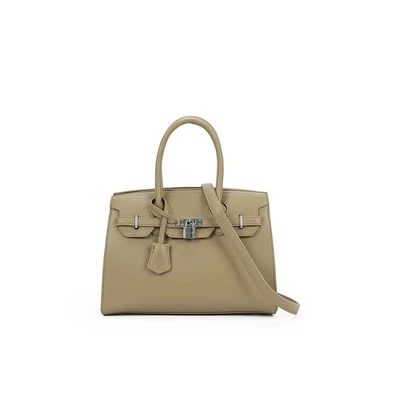
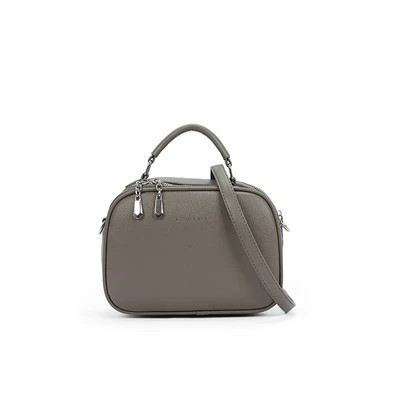
When preparing for an adventure, selecting the right gear can make the difference between a seamless journey and a logistical nightmare. Among all the gear choices a traveler must make, finding the perfect day pack is one of the most critical. While large rolling suitcases and heavy backpacks handle the bulk of your luggage from airport to hotel, it is the smaller daily carry bag that accompanies you through crowded markets, narrow museum corridors, and bustling transit hubs.
The quest for the ultimate travel companion often leads to the classic shoulder bag. Unlike a backpack, which sits out of sight, or a tote bag, which lacks secure containment, a properly engineered shoulder bag strikes the ultimate balance between accessibility, security, and style. But with thousands of variations on the market-ranging from rugged canvas messengers to sleek crossbody slings-identifying the absolute best choice requires looking past aesthetics and analyzing the core engineering of the bag itself.
Why Choose a Shoulder Bag Over a Backpack or Suitcase?
Unmatched Accessibility on the Move
One of the greatest disadvantages of a traditional backpack is the physical barrier it creates between you and your belongings. Every time you need to pay a street vendor, show your train ticket, or grab a camera to capture a fleeting sunset, you must stop, unstrap the backpack, swing it off your shoulders, and dig through the compartments.
A shoulder bag eliminates this friction entirely. Because it sits at your hip or across your chest, your essentials are always within arm's reach. With a simple slide of the fabric, the bag rotates to your front, allowing you to access zippers, retrieve items, and secure them again without ever breaking your walking stride. This fluid access is indispensable in high-velocity travel environments where pauses cause congestion.
Blending In with the Locals
In many international destinations, carrying a large technical backpack instantly brands you as a tourist. This visibility can make you a prime target for aggressive vendors, scammers, and pickpockets. A sophisticated shoulder bag, however, mirrors the everyday fashion of urban residents worldwide.
Whether you are navigating the metro lines of a fashion-forward European capital or walking through a financial district in Asia, a clean, well-structured shoulder bag allows you to blend seamlessly into the local environment. By looking less like a transient traveler and more like a local commuter, you cultivate an aura of belonging that inherently increases your personal safety.
Better Distribution of Weight for City Exploration
While backpacks excel at carrying massive, heavy loads across long hiking trails, they can be incredibly cumbersome in dense urban areas. In crowded subways, tight elevators, or narrow boutique shops, a backpack turns you into a physical hazard, inadvertently bumping into people and displays.
A shoulder bag hugs the contours of your body. It occupies the space immediately adjacent to your torso, keeping your physical footprint compact. Furthermore, by switching the bag from one shoulder to the other throughout the day, you can actively manage muscle fatigue, preventing the localized upper-back strain that frequently results from wearing poorly fitted two-strap packs over long durations.
What Key Features Define a High-Quality Travel Shoulder Bag?
The Importance of Weather-Resistant Materials
The environments you encounter while traveling are entirely unpredictable. A morning that begins with clear blue skies can easily dissolve into a torrential downpour by afternoon. Therefore, the base material of your shoulder bag serves as the first line of defense for your expensive electronics, travel documents, and personal keepsakes.
- High-Density Ballistic Nylon: This synthetic fabric offers unparalleled tear resistance and is usually coated with a durable water repellent layer. It provides a clean, modern look while standing up to the abrasive friction of airplane under-seat storage.
- Treated Canvas: For travelers who prefer a classic, rugged aesthetic, heavy-duty canvas treated with wax offers excellent water shedding capabilities and develops a beautiful patina over time.
- Coated Polyester: A lightweight alternative that provides excellent resistance against UV degradation and light moisture, ensuring the bag does not fade or weaken under intense tropical sun.
Ergonomic Straps and Weight Distribution
A bag is only as good as the mechanism used to carry it. A thin, unpadded strap will cut into your trapezius muscle within an hour of walking, leading to tension headaches and physical exhaustion.
When evaluating a shoulder bag, look closely at the strap architecture. The ideal strap should be wide-at least 1.5 to 2 inches-to distribute the weight across a larger surface area. It should feature high-density foam padding encased in breathable mesh to prevent heat accumulation against your shoulder. Furthermore, the attachment points where the strap connects to the main body of the bag should feature heavy-duty metal hardware or reinforced box-stitching to prevent catastrophic failures when the bag is fully loaded.
The Balance Between Bulk and Capacity
A travel bag must be spacious enough to hold your daily essentials but compact enough to remain unobtrusive. The ideal volume for an urban exploration shoulder bag typically falls between 8 and 14 liters. Anything smaller forces you to leave crucial items behind; anything larger encourages overpacking, resulting in an unnecessarily heavy load that strains your body. The profile of the bag should remain relatively flat against the hip, preventing it from swinging wildly when you accelerate your pace.
How Do You Ensure Maximum Security Against Pickpockets?
The Power of Anti-Theft Zippers and Fasteners
Pickpocketing is rarely violent; it relies entirely on stealth and speed. A traditional zipper can be silently pulled open in less than two seconds while you are distracted by a train arrival or a street performance.
To counter this, a premier travel shoulder bag must incorporate advanced zipper security. This includes interlocking zipper pulls that snap together, making it impossible to open the compartment with a single casual tug. Some designs incorporate discrete fabric loops or metal clips that anchor the zipper pull firmly in place, requiring a deliberate, two-handed operation to open. These mechanisms act as a powerful psychological and physical deterrent; thieves will quickly move on to an easier target when they encounter mechanical resistance.
Slash-Resistant Linings and Straps
In crowded transit hubs, some thieves employ a aggressive tactic known as the "slash-and-grab." Using a razor blade or a sharp utility knife, they cut open the bottom of a bag or slice through the shoulder strap, catching the contents as they fall.
To prevent this, high-tier travel bags integrate flexible, ultra-thin stainless steel wire mesh into the fabric panels and internal webbing of the straps. This internal armor is completely invisible to the eye and does not affect the flexibility or comfort of the bag, yet it completely stops blades from cutting through the material, keeping your belongings securely anchored to your body.
Hidden Pockets and Body-Facing Compartments
The safest place for your most valuable assets-such as your passport, backup credit cards, and emergency cash-is completely out of sight. The exterior face of your bag should be reserved for low-value items like water bottles, tissues, or maps.
The back panel of the bag, which rests directly against your hip or chest, should feature a concealed, zippered compartment. Because this pocket is constantly pressed against your body, it is physically impossible for an external actor to access it without your immediate knowledge. This zone provides absolute peace of mind when moving through high-risk environments.
The Role of Electronic Security Features
Modern theft extends beyond physical objects; digital pickpocketing via unauthorized Radio Frequency Identification (RFID) scanning allows bad actors to read data from credit cards and biometric passports from a distance. Integrating an RFID-blocking pocket inside the internal matrix of the bag guarantees that your digital identity remains shielded from external wireless skimming devices.
What Interior Organization Layout Works Best for Transit?
The Ideal Number of Main Compartments
An unorganized bag is a major liability during travel. If you have to empty the entire contents of your bag onto a ticket counter just to find a pen or a charging cable, your efficiency drops and your exposure to risk increases. However, having too many pockets can be equally frustrating, as you lose track of where specific items are stored.
The optimal configuration consists of one primary deep compartment for larger items and one secondary organizational panel. The main chamber should be wide enough to accommodate bulkier items without stretching the seams. It is highly beneficial if this compartment features a bright, light-colored interior lining (such as light gray, cream, or high-visibility orange). Dark interior linings absorb light, turning the bottom of your bag into a dark abyss where small black items like memory cards and thumb drives vanish.
Quick-Access Slots for Documents and Passports
When moving through customs checkpoints, security screeners, and hotel check-ins, you must produce documentation repeatedly. A dedicated, structured slot located just inside the upper lip of the bag allows you to retrieve and store your passport instantly. This slot should keep the document flat and protected from bending, ensuring that the electronic chips within the passport cover remain undamaged throughout years of rough handling.
Dedicated Tech and Gadget Protection
For the modern traveler, a shoulder bag often serves as a mobile workstation. Whether you carry a tablet for navigation, a mirrorless camera for photography, or an e-reader for long flights, your devices require isolation from the rest of your gear.
- Suspended Tablet Sleeves: The internal tech sleeve should be suspended an inch above the bottom floor of the bag. This ensures that when you drop your bag onto a hard marble floor, the impact force is absorbed by the exterior frame rather than transferring directly to the edge of your device screen.
- Elasticized Cord Managers: Loose cables easily tangle around water bottles and keys. Internal mesh pockets with elastic tracking hold your charging bricks, battery packs, and connection cords flat against the internal wall, keeping the center of the bag clear.
- Fleece-Lined Eyewear Pockets: A small, soft-lined pocket near the top of the bag protects sunglasses and camera lenses from abrasive scratches without requiring bulky standalone hard cases.
How Do Travel Needs Change Across Different Destinations?
Navigating Densely Populated Urban Metropolises
When your itinerary revolves around exploring massive concrete jungles, your primary concerns are crowded transit systems, long days of walking on concrete pavements, and frequent indoor-to-outdoor transitions.
For urban travel, a streamlined crossbody sling or a compact messenger bag is ideal. The style should tilt toward clean lines and neutral tones (such as charcoal, navy, or matte black) to complement city attire. The structural footprint must be exceptionally slim so you can easily pull the bag tight against your chest when boarding packed subway cars. Rapid adjustability is key here; a cam-buckle strap allows you to instantly loosen the bag to sit comfortably on your lap when sitting at a café, and then cinch it tight against your back when weaving through pedestrian traffic.
Exploring Rugged Outdoor and Rural Landscapes
If your travel involves rural villages, unpaved paths, archeological ruins, or light day-hiking, the operational demands on your bag shift dramatically. Urban aesthetics become secondary to structural durability and environmental sealing.
In these terrains, the best bag is a heavy-duty canvas or TPU-coated shoulder pack equipped with a dedicated secondary stabilization strap. This smaller auxiliary strap clips from the main body of the bag under your armpit, forming a secure three-point harness system. This system stops the bag from swinging forward or shifting around your torso when you are scrambling over boulders, climbing steep staircases, or riding on all-terrain vehicles. Environmental seals, such as rubberized AquaGuard zippers, are non-negotiable here to keep out fine dust, sand, and sudden mountain mist.
Relaxing in Coastal and Tropical Environments
Tropical and coastal travel presents unique challenges: intense humidity, airborne sea salt, corrosive sand, and wet swimwear. A heavy leather or dense ballistic nylon bag will trap sweat against your body and can fall victim to mildew in tropical climates.
The ideal coastal shoulder bag is constructed from highly breathable, lightweight sailcloth or ripstop nylon. The back panel must feature deep air-mesh channels or a suspended trampoline mesh framework to facilitate maximum airflow across your shirt, preventing unsightly sweat patches. Additionally, the external hardware should rely on high-grade maritime polymers rather than standard metals, guaranteeing that the salt-laden ocean air will not corrode the adjustment buckles or zipper mechanisms over time.
Conclusion: What is the Ultimate Verdict?
Ultimately, there is no single bag that perfectly suits every single human being on earth, because travel itself is deeply personal and varied. The "best" shoulder bag is not the most expensive model or the one with the most intricate aesthetic design; it is the bag that effectively disappears into your travel routine, quietly performing its job without causing physical discomfort or logistical friction.
By prioritizing highly durable, weather-resistant materials, comprehensive anti-theft engineering, and a balanced, ergonomic profile, you equip yourself with a reliable tool that safeguards your belongings. The right shoulder bag relieves the mental burden of security and organization, allowing you to lift your eyes away from your gear and fully immerse yourself in the transformative experiences of the world around you.