Tote bags are among the most versatile accessories ever created. Simple in concept and open in design, a standard tote is the quintessential grab-and-go carryall for grocery runs, trips to the beach, or carrying a laptop to a local coffee shop. Yet, anyone who has ever sprinted through a crowded airport terminal while balancing a soft canvas shoulder bag knows the frustration of using a standard everyday tote for serious travel. What works effortlessly for a fifteen-minute errand quickly becomes an unorganized, heavy, and insecure burden when navigating international train stations, TSA checkpoints, or long road trips.
Travel introduces unique demands that daily routines simply do not present. When traveling, a bag is not just carrying a few daily items; it becomes a mobile command center containing vital documentation, electronics, change of clothes, personal hygiene products, and valuable items. Transitioning a tote from a basic open-top sack into an indispensable travel companion requires careful engineering, thoughtful design elements, and deliberate material choices.
Understanding the features that transform a basic carryall into a high-performance travel tote can completely reshape your journey. Whether you are an occasional weekend explorer or a seasoned long-haul traveler, recognizing these critical design details ensures your luggage works for you rather than against you.
Why Does Structural Architecture Matter in Travel Totes?
The baseline difference between a standard tote and a purpose-built travel tote begins with structural integrity and overall shape definition. Basic daily totes are often unstructured, collapsing into a flat piece of fabric when empty. While this makes them lightweight and easy to store, it creates significant challenges on the road.
How Does Bottom Panel Reinforcement Protect Your Belongings?
A foundational feature of any superior travel tote is a reinforced, flat bottom panel. Standard totes frequently sag in the middle when loaded with heavy items like water bottles, shoes, or travel guides. This sagging distorts the bag's shape, causes contents to pool in the center, and forces the bag to pull awkwardly against your shoulder.
A high-quality travel tote incorporates a structured base plate or high-density foam padding within the floor of the bag. This reinforcement ensures that weight is distributed evenly across the entire footprint of the tote. Consequently, your belongings remain upright, Organized, and flat, preventing heavy items from crushing delicate belongings stored underneath. Furthermore, many travel-ready totes feature protective feet or abrasion-resistant bottom materials, allowing you to set the bag down on dirty airport floors, wet pavement, or airplane cabin carpets without ruining the exterior fabric.
Can Self-Standing Designs Reduce Travel Stress?
Few moments are more stressful during travel than attempting to retrieve your passport, wallet, or boarding pass while your bag constantly flops over onto its side. A self-standing tote is a subtle design triumph that transforms the airport experience.
Through structured side paneling, piped seams, or stiffer material weaves, a travel tote maintains its upright architecture regardless of whether it is completely packed or half empty. When you place a self-standing tote beside your chair at a gate lounge or beneath your feet on a train, it stays upright. This allows you to peer directly inside, access your contents with a single hand, and avoid having your bag roll across public floors.
How Does Dimension Optimization Fit Airline Cabin Rules?
A great travel tote is meticulously dimensioned to maximize interior capacity while strictly adhering to international carry-on and personal item rules. Standard totes come in arbitrary shapes-often too deep or excessively wide-making them awkward to stow under an airplane seat.
Engineered travel totes prioritize an optimized rectangular or slightly tapered silhouette. They are crafted specifically to slide smoothly under standard airline seats without sticking out into your legroom or crushing your knees. Additionally, optimal proportions ensure the bag retains enough vertical height to hold a standard water bottle or tablet upright while staying within overhead bin height constraints.
What Security Features Are Essential for On-the-Go Peace of Mind?
Open-top tote bags invite pickpockets and increase the risk of lost items when jammed under seats or tossed into overhead compartments. Security is non-negotiable when evaluating a tote for travel purposes.
Why Is a Secure Top Closure Non-Negotiable?
The single biggest flaw of a standard tote in a travel setting is the open top. While an open mouth offers quick access at home, it exposes your valuable possessions to rain, dust, accidental spills, and quick-fingered thieves in crowded environments.
A travel-grade tote must feature a full-length, smooth-gliding top closure. A heavy-duty, recessed main zipper is the gold standard, as it completely seals the main chamber while leaving enough flex for overpacking. Some travel totes use fold-over magnetic flap closures or roll-top designs, but a full-zip top ensures that even if your tote turns upside down underneath an airplane seat during turbulence, not a single coin, lip balm, or cable will roll out onto the floor.
How Do Concealed and Anti-Theft Pockets Shield Your Valuables?
When navigating busy metropolitan transit systems or crowded markets, keeping your most critical personal effects close to your body is essential. Travel totes address this need through hidden security pockets.
A strategically placed hidden zippered pocket located on the exterior back panel of the tote-the side that rests directly against your hip or ribcage-provides a safe haven for your passport, primary credit cards, emergency cash, and smartphone. Because this pocket remains pressed against your body while carried, it is virtually impossible for anyone else to access without your knowledge. Internally, anti-theft design extends to RFID-blocking sleeves that protect contactless credit cards and passports from digital scanning threats.
What Role Do Lockable Zippers and Reinforced Seams Play?
For added peace of mind, high-end travel totes incorporate lockable zipper pulls on the main compartment. Interlocking zipper sliders allow you to attach a small TSA-approved padlock, securing your contents during long layovers, hostel stays, or when checking the tote at a hotel bell desk.
Furthermore, seams surrounding closure points and stress areas are reinforced with bar-tack stitching or double-taped edges. This prevents forced entry through seam separation and ensures that zippers will not burst under pressure when the bag is fully stuffed with extra travel layers.


How Does Smart Interior Organization Keep You In Control?
The interior of a standard tote is often described as a "black hole"-a single deep cavity where keys, pens, headphones, and lip balm vanish into the abyss. Travel demands instant access and organization; hunting through an unorganized bag at a security line is frustrating and inefficient.
Why Are Dedicated Tech Sleeves Vital for Modern Travelers?
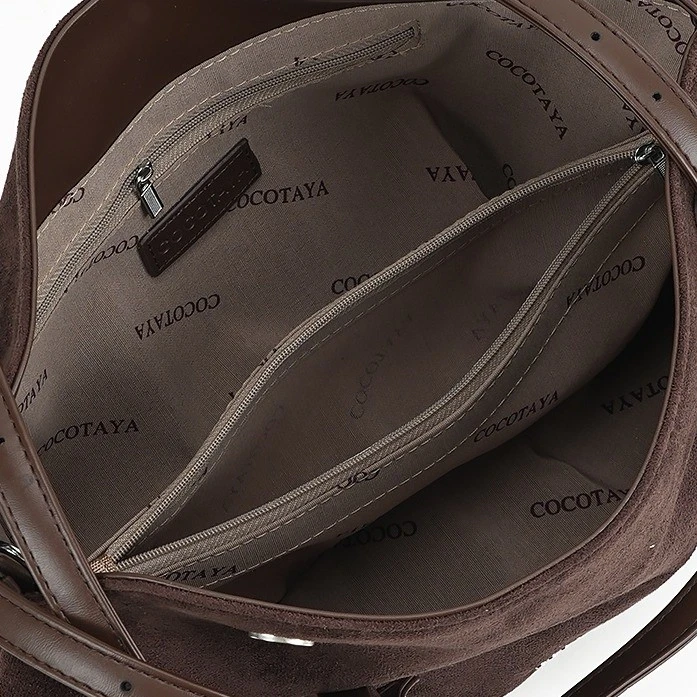
Modern travel relies heavily on electronic devices. A great travel tote eliminates the need to carry a separate laptop sleeve by building padded tech protection directly into its interior design.
A floating, elevated laptop compartment suspends your computer an inch or two above the bottom floor of the tote. This design detail ensures that when you drop your tote onto a hard surface, your laptop does not absorb the direct impact. Accompanying padded tablet sleeves, plush soft-lined screens pockets, and dedicated slots for portable power banks keep your devices secure and organized, preventing scratch damage from loose keys or sharp items.
How Do Specialized Internal Pockets Tame Daily Essentials?
To banish interior clutter, a travel tote relies on a system of intuitive pocketing designed for specific travel tools. Rather than generic open drop pockets, specialized travel totes feature:
Zippered Mesh Pockets: Allowing complete visibility of small items like charging cables, adapters, and lip balms without opening every compartment.
Elasticized Pen and Stylus Loops: Keeping writing instruments ready for filling out customs forms.
Lined Eyewear Pockets: Soft fleece or microfiber pockets that protect prescription glasses and sunglasses without needing bulky hard cases.
Key Leashes: Built-in lanyard clips that secure home or car keys, ensuring you never have to dump your entire bag on the doorstep after returning from a long trip.
Can Integrated Wet/Dry Separation Elevate Your Journey?
Travel often involves unexpected scenarios: a damp umbrella after a sudden downpour, a wet swimsuit from a last-minute hotel pool dip, or gym clothes after an early morning workout. Standard fabric totes absorb moisture, ruining books, papers, and electronics inside the bag.
Purpose-built travel totes frequently feature a dedicated waterproof or TPU-lined compartment. This wet/dry isolation sleeve traps moisture, odors, and dirt away from your clean clothes and electronics. When not in use, these sleeves lay flat against the bag's lining, occupying minimal interior volume.


What Ergonomic Details Prevent Travel Fatigue?
Carrying heavy weight on one shoulder for hours can cause strain on your neck, back, and shoulders. While standard totes focus on minimalist aesthetics, travel totes balance form with advanced ergonomics to make heavy loads feel significantly lighter.
How Does Strap Architecture Affect Carrying Comfort?
The handles of a standard tote are usually thin, unpadded strips of leather or cotton canvas designed for short walks. Under the weight of travel gear, these thin straps cut painfully into your shoulders.
A travel tote addresses this issue through wider strap dimensions, contoured shapes, and internal padding. High-density EVA foam or soft neoprene integrated inside the shoulder straps cushions the load across a broader surface area. Additionally, ideal strap length is critical: drop lengths between 10 to 12 inches provide enough clearance for the tote to sit comfortably under your arm even when wearing a thick winter coat, preventing the bag from constantly slipping off your shoulder.
Why Is a Convertible Carry System a Game Changer?
Flexibility is a superpower when traveling. A tote that can adapt its carrying style based on your current physical environment offers unmatched comfort.
Many top-tier travel totes feature removable, adjustable cross-body straps. Adding a wide shoulder strap allows you to wear the tote across your chest, distributing weight diagonally across your torso and leaving your hands entirely free to hold coffee, manage children, or pull luggage. Some innovative designs even feature stowable backpack straps, allowing you to convert your sleek tote into a full backpack during long walks through expansive transit terminals or city tours.
What Makes a Luggage Pass-Through Sleeve Essential?
If you travel with rolling luggage, a trolley sleeve (or luggage pass-through) is perhaps the single most important feature on a travel tote. This built-in fabric sleeve or heavy-duty strap on the back exterior panel allows the tote to slide securely over the extended handle of a wheeled suitcase.
By resting your heavy tote directly on top of your rolling suitcase, you eliminate 100% of the shoulder strain associated with carrying a tote. A well-engineered trolley sleeve fits snugly around standard luggage handles so the bag won't twist or slide off when wheeling over cobblestones, curbs, or escalator transitions.
Which Exterior Features Provide Quick-Access Convenience?
When moving through security lines, boarding gates, or hotel lobbies, you constantly need immediate access to specific items without opening the main compartment of your bag. Exterior pocket design makes these transitions smooth and hassle-free.
How Do Dual-Access Pockets Speed Up Security Checks?
Passing through airport security requires retrieving liquids, laptops, and travel documents in seconds. Exterior quick-access pockets are engineered specifically for these moments.
A soft-lined exterior slip pocket positioned near the top rim of the bag allows you to quickly stash your phone, watch, and belt right before stepping through a metal detector. Magnetic closures on these pockets provide quick one-handed opening while maintaining enough closure strength to keep items from falling out during normal movement.
Why Are Exterior Hydration Pockets Important for Travel?
Staying hydrated during travel is essential, yet standard totes rarely have a place to hold a water bottle securely. Placing a liquid container inside a tote alongside a laptop is a risky gamble.
Travel totes frequently solve this problem with exterior expansion pockets or tailored side sleeves. Designed with stretch mesh or expandable zippers, these pockets hold insulated water bottles or travel umbrellas firmly on the outside of the bag. When empty, they snap back flush against the tote's profile to maintain a clean, streamlined silhouette.
How Does Material Selection Impact Durability and Weather Protection?
A tote bag is only as reliable as the materials used in its construction. While natural cotton canvas looks charming for daily beach trips, it is heavy, absorbs water, stains easily, and offers minimal protection against severe weather conditions.
What Are the Best Technical Fabrics for Travel Totes?
Travel totes rely on lightweight, high-tenacity synthetic or treated fabrics built to endure harsh conditions. Excellent material choices include:
- Ballistic Nylon: Exceptionally durable fabric with a dense weave, offering extreme tear and abrasion resistance.
- Ripstop Cordura: Lightweight yet tough, engineered with a reinforcing technique that prevents small punctures from expanding into large tears.
- Water-Resistant TPU/Polyurethane Coated Fabrics: Modern technical textiles that combine a matte aesthetic with total liquid repellency.
- Recycled Polyester (rPET): Eco-conscious textiles treated with durable water-repellent (DWR) coatings, offering sustainability without compromising strength.
How Do Weatherproof Zippers Protect Against the Elements?
High-quality exterior fabric is meaningless if rain seeps through the zipper teeth. Travel-focused totes utilize polyurethane-coated, water-resistant zippers (often referred to as aqua-guard zippers). These zippers feature a rubberized tape seal over the teeth, creating a barrier against rain, snow, and spilled drinks, ensuring your internal electronics remain bone dry.

How Do Standard Totes Compare to Travel Totes?
To better understand why these technical features matter, it is helpful to look at how a basic everyday tote directly compares to a dedicated travel tote across core functional areas:
- Top Closure: Standard totes typically feature an open top or a single center snap button, leaving contents vulnerable. Travel totes utilize full-length, weather-sealed main zippers for total security.
- Structural Base: Standard totes rely on unreinforced bottoms that sag under heavy loads. Travel totes feature structured, padded base plates with protective feet to maintain shape and stay upright.
- Carrying Flexibility: Standard totes feature fixed shoulder handles with limited drop length. Travel totes offer padded shoulder straps, removable cross-body straps, and built-in luggage trolley sleeves.
- Interior Organization: Standard totes feature one large open compartment with perhaps one small drop pocket. Travel totes offer dedicated padded tech sleeves, water-resistant compartments, key leashes, and organized mesh pocketing.
- Durability & Weather Resistance: Standard totes use light cotton or untreated synthetic fabrics that absorb liquids. Travel totes utilize water-repellent, high-denier technical textiles with reinforced stitching.
What Unique Travel Scenarios Require Specific Tote Features?
Not all travel is created equal. Depending on the nature of your trip, certain features take priority over others.
What Features Are Crucial for Business Travel?
For corporate travelers, a travel tote must seamlessly transition from an airplane cabin directly into a professional boardroom.
- Sleek Exterior Aesthetics: Clean lines, hidden zippers, and dark tone-on-tone finishes preserve a professional look.
- Enhanced Tech Protection: Multiple padded sleeves for a laptop, tablet, portable monitor, and cable management pouches.
- Document Preservation: Wide internal slip pockets designed to keep printed reports, passports, and contracts flat and wrinkle-free.
What Features Are Essential for Outdoor and Adventure Travel?
Road trips, hiking excursions, and outdoor travel require maximum ruggedness and ease of cleaning.
Wipe-Clean Materials: TPU or vinyl-coated interiors that can be wiped down with a damp cloth if dirty gear or food is stowed inside.
Extreme Weather Resistance: Fully waterproof seams and heavy DWR coatings to withstand unpredictable weather.
Compression Straps: Exterior cinch straps that allow you to tie down a jacket, sweater, or yoga mat to the outside of the tote.
How Can You Test and Prepare Your Travel Tote Before a Journey?
Investing in a feature-rich travel tote is the first step; packing and adjusting it correctly ensures you get the maximum benefit from its design.
How Should You Pack for Optimal Weight Distribution?
Proper weight distribution turns a good tote into a great carrying experience:
- Place Heavy Items at the Bottom and Center: Position heavy items like tech pouches, power banks, or toiletry kits at the bottom of the bag, kept close to the side that rests against your body.
- Utilize Dedicated Sleeves: Always store your laptop and tablet in their intended padded compartments to keep the bag balanced.
- Keep Essentials Near the Top: Place quick-access items-passports, wallets, keys, and snacks-in top exterior or interior pockets so you don't need to dig through the main compartment.
How Do You Verify Strap Comfort Before Traveling?
Before heading to the airport, pack your tote with your intended travel load and wear it around your home for twenty minutes. Adjust the cross-body strap so the bag rests comfortably at your hip without bouncing. If using shoulder straps, verify that they do not slide off your shoulder when wearing your typical travel outerwear. Testing early allows you to make adjustments before embarking on your journey.
The Ultimate Travel Companion
A standard tote bag is a wonderful tool for casual, low-stakes everyday tasks. However, when stepping into the fast-paced, unpredictable world of travel, relying on a basic carryall often leads to disorganization, discomfort, and security concerns.
By upgrading to a dedicated travel tote-one built with a structured self-standing base, secure zippered closures, intuitive tech organization, ergonomic carrying options, and durable weather-resistant materials-you transform how you move through the world. The right features convert a simple bag into an effortless extension of your journey, keeping your valuables safe, your gear organized, and your mind completely focused on the adventure ahead.
https://www.cocotayabag.com/info/which-type-of-bag-is-best-for-travel-103661522.html