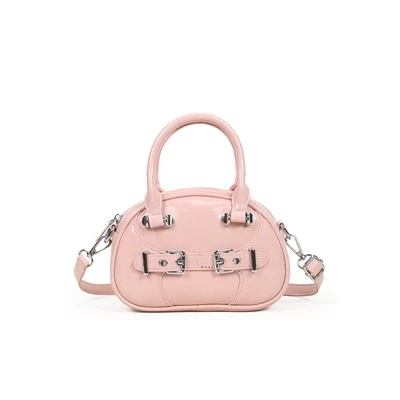
The South African leather goods market is undergoing a fascinating transformation in 2026. Defined by a powerful tension between affordable mass-market imports and a resurgent demand for locally crafted, story-driven authenticity, the landscape for leather bags has never been more dynamic. With the market projected to grow at a compound annual growth rate (CAGR) of over 6.5% towards 2033, reaching multi-billion-dollar valuations, the competition for consumer loyalty is fierce .
Today's South African consumer is polarized. On one end, there is extreme price sensitivity driven by high living costs and the influx of international fast-fashion e-commerce giants. On the other, a growing cohort of consumers-particularly Gen Z-is willing to invest in sustainable, high-quality pieces that offer longevity and a unique story .
Navigating this market requires suppliers who can balance quality, narrative, and accessibility. Based on market share data from Euromonitor International, consumer sentiment, and industry reports for 2026, here are the top five most popular leather bag suppliers in South Africa right now.
1. Busby Trading: The Uncontested Market Leader
When it comes to sheer volume and market penetration, Busby Trading remains the dominant force in the South African bags and luggage sector. As of 2025, the company held a commanding 13% market share, significantly outpacing its nearest competitor .
Why They Are Popular
Busby Trading's popularity does not stem from high-fashion runways but from reliability, variety, and accessibility. They have successfully positioned themselves as a one-stop distributor for a wide range of leather goods, appealing to both the mid-market and value-conscious segments. Their strength lies in an extensive distribution network that ensures their products are available across the country, from dedicated retail outlets to wholesale partnerships.
2026 Strategy
In response to market polarization, Busby Trading has maintained its lead through continuous innovation in product design and material sourcing . They have effectively bridged the gap between affordability and durability, offering consumers leather bags that don't break the bank but still offer the longevity expected of genuine leather. For the average South African consumer looking for a dependable school bag, work satchel, or travel accessory, Busby remains the default choice.
2. Woolworths: The Retail Giant with Premium Credentials
Woolworths Holdings is more than just a grocery retailer; it is a arbiter of style for the South African middle and upper-middle class. Holding a steady 4% market share in the bags and luggage category, Woolworths is a powerhouse in the leather accessory space .
Why They Are Popular
Woolworths has cultivated a reputation for "affordable luxury." The consumer trusts that the Woolworths label implies a certain standard of quality, ethical sourcing, and timeless design. Their leather bags are popular among professionals and students alike for their classic, understated aesthetics that transition seamlessly from the boardroom to the weekend.
2026 Strategy
Woolworths is acutely aware of the economic pressures on consumers. In 2026, they have successfully introduced more entry-level price points within their leather goods range to capture budget-conscious shoppers without diluting their brand equity . Furthermore, they have leaned into the sustainability trend, emphasizing durability and classic styling that resists the "throwaway" culture promoted by fast-fashion rivals. By offering timeless leather pieces, they appeal to the Gen Z desire for sustainable consumption .
3. Freedom of Movement: The Artisanal Challenger
If Busby and Woolworths represent the establishment, Freedom of Movement represents the future of local branding. This locally rooted brand has significantly strengthened its position in the market by doing what international conglomerates cannot: offering a deeply authentic South African narrative .
Why They Are Popular
Freedom of Movement has tapped into the powerful consumer desire for identity and story. Their leather bags are not just accessories; they are conversation starters. By focusing on high-quality craftsmanship and combining it with unique names and stories that resonate with the local landscape, they have cultivated a loyal, almost cult-like following .
2026 Strategy
In a market flooded with identical fast-fashion trends, Freedom of Movement differentiates through "slow fashion." They offer competitive pricing relative to imported luxury goods, but the value proposition is the quality and the story. They cater directly to the Gen Z and millennial consumer who demands sustainability and inclusivity, ensuring their production methods and brand messaging align with modern ethical standards . They are the go-to for consumers who want to support the local economy and own a piece of wearable art.
4. Stonecamp: Where Practical Luxury Meets the Karoo
Nestled in the heart of Pretoria, Stonecamp is a testament to the enduring appeal of handmade, artisanal craftsmanship. Founded on a story that begins in the windswept plains of the Karoo, Stonecamp has carved a distinct niche for itself in the "practical luxury" segment .
Why They Are Popular
Stonecamp bags are popular because they are designed to be "companions for every adventure." They merge the rugged charm of cowhide with sophisticated design elements, including playful shimmer and meticulous stitching. The brand story-inspired by a childhood in the semi-desert and a father's love for leather-resonates deeply with consumers seeking authenticity .
2026 Strategy
In 2026, Stonecamp's strategy revolves around sustainability and durability. In a direct challenge to the disposable nature of ultra-fast fashion, Stonecamp markets its products as long-term investments. By emphasizing that their bags are handmade with passion and precision in Pretoria, they appeal to the patriot and the quality-seeker alike. They are the preferred supplier for the woman who wants a bag that is stylish enough for a city dinner yet robust enough for a weekend getaway.
5. OK Bazaars / Pepkor Group: The Value Kings
While specific leather goods market share for the Pepkor group (owners of Pep, Ackermans, and various clothing brands) is aggregated, their influence in the mass market is undeniable. Through chains like Pep and OK Bazaars, they are perhaps the largest suppliers of accessible leather and faux-leather goods to the majority of South African consumers.
Why They Are Popular
Popularity for this group is purely a function of scale and price architecture. For millions of South Africans, "buying a bag" means visiting a Pep store. They have responded to the influx of Chinese online discounters like Shein and Temu not by trying to compete on trend-speed, but by doubling down on essential, basic leather goods that offer guaranteed value .
2026 Strategy
The group is central to the Retail-Clothing, Textile, Footwear and Leather (R-CTFL) Masterplan, which aims to increase local sourcing to 65% by 2030 . In 2026, they are actively working to close the price gap between imported and locally made goods. While imports (often 25%-40% cheaper) still pose a challenge, their strategy involves committing to large-volume orders for local manufacturers to drive down costs . For the consumer, this means increasingly better quality and affordable leather options appearing on their shelves, backed by the reassurance of local manufacturing standards.
How to Choose a Supplier in South Africa"s 2026 Market
The South African market in 2026 is not a monolith. It is a tale of two consumers:
- The Value-Seeker: Driven by price, influenced by e-commerce giants, and looking for the best deal. For this demographic, suppliers like Pepkor and the entry-level lines of Woolworths are king.
- The Conscious Consumer: Driven by quality, sustainability, and story. Willing to pay a premium for authenticity and longevity. This demographic fuels the growth of brands like Freedom of Movement and Stonecamp.
- The "winner" in this market is not a single entity but a diverse ecosystem. Busby Trading wins on distribution and reliability. Woolworths wins on trust and accessible style. Freedom of Movement and Stonecamp win on soul and craftsmanship. And the Pepkor group wins on reach and volume.
Conclusion
As we move through 2026, the popularity of these suppliers hinges on their ability to navigate the complex local landscape. The most successful among them are those that acknowledge the reality of price sensitivity while simultaneously investing in the quality and local authenticity that foreign competitors cannot replicate. Whether you are looking for a durable workhorse bag or a statement piece that tells a story of the Karoo, South Africa"s top suppliers offer a leather good for every wrist and every wallet.