Introduction
In the hustle and bustle of modern life, a reliable work bag is more than just an accessory; it's an essential companion for daily commuting. Whether you're heading to the office, attending meetings, or working remotely in a café, a well-chosen bag can help you stay organized, look professional, and carry everything you need. With a myriad of options available, finding the perfect work bag can be daunting. This comprehensive guide will explore the different types of work bags, their features, and how to choose the best one for your commuting needs.
The Importance of a Good Work Bag
A work bag serves multiple purposes in your daily routine. It is a functional tool that helps you transport your essentials, but it also plays a significant role in your professional image. Here are several key reasons why a good work bag is important:
- Organization: A well-designed bag keeps your items organized, making it easier to find what you need quickly. This is especially important during busy mornings when you are rushing to get out the door.
- Comfort: Commuting can be tiring, and a comfortable bag can significantly reduce strain on your body. Proper ergonomic design can help distribute weight evenly, making it easier to carry heavy loads.
- Durability: A quality work bag is an investment that should withstand daily wear and tear. Choosing a durable material ensures that your bag will last through various commuting conditions.
- Professional Appearance: A stylish work bag can enhance your professional image. The right bag can convey confidence and competence, making a positive impression on colleagues and clients alike.
- Versatility: Many work bags can transition from the office to after-work engagements, providing versatility for busy professionals.
Key Considerations When Choosing a Work Bag
Before delving into the various types of work bags, it's essential to understand the key features to consider when selecting the right one for your needs:
1. Size and Capacity
The size of your work bag should align with your daily requirements. Consider the items you typically carry, such as:
Laptops and Tablets: If you use a laptop or tablet for work, ensure your bag has a dedicated padded compartment for protection.
Documents: If you frequently transport files or reports, look for a bag that can accommodate these items without bending or folding.
Personal Items: Don't forget about your essentials such as your wallet, keys, phone, and water bottle. Make sure there's enough space to carry these items comfortably.
2. Organization and Pockets
A well-organized bag can save you time and frustration. Look for bags with various compartments and pockets to help you categorize your items. Consider:
Interior Pockets: Small pockets for items like pens, business cards, and your phone can help keep everything easily accessible.
Exterior Pockets: An external pocket can be handy for frequently used items like your keys or transit pass.
Laptop Sleeve: A padded sleeve designed for laptops provides additional protection and easy access when you need to pull out your device quickly.
3. Material and Durability
The material of your work bag plays a significant role in its durability and appearance. Common materials include:
Leather: A classic choice that exudes professionalism. Leather bags can be more expensive but are often durable and develop a unique patina over time.
Canvas: Lightweight and versatile, canvas bags are typically more affordable and easy to clean.
Synthetic Fabrics: Materials like nylon or polyester are often water-resistant, making them suitable for various weather conditions.
Eco-friendly Options: If sustainability is important to you, consider bags made from recycled materials or organic fabrics.
4. Comfort and Ergonomics
Comfort is key when carrying a work bag for extended periods. Pay attention to:
Straps: Look for wide, padded straps that can help distribute weight evenly. Adjustable straps are a plus for a customized fit.
Back Support: If you opt for a backpack style, consider one with ergonomic support or padded back panels for added comfort.
Weight: Choose lightweight materials to ensure the bag doesn't add unnecessary bulk to your load. A heavy bag, even when empty, can become a burden.
5. Style and Aesthetics
Your work bag should reflect your personal style while still being professional. Consider your workplace culture and choose a design that fits. Common styles include:
Tote Bags: Practical and spacious, tote bags are ideal for carrying larger items. They often have a chic, minimalistic appearance.
Backpacks: A modern choice that offers hands-free convenience. Look for sleek designs that maintain a professional look.
Messenger Bags: These crossbody bags provide easy access and a casual yet polished appearance, making them a great option for those who prefer a more laid-back style.
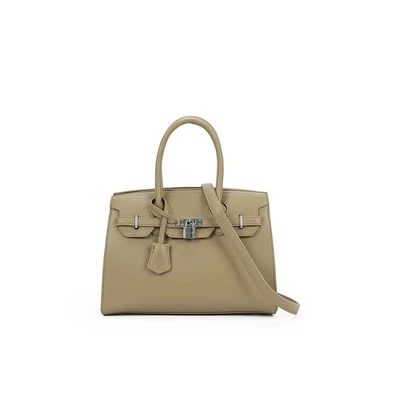
Briefcases: A classic option for formal workplaces, briefcases are structured and sophisticated, suitable for carrying documents and laptops.
Types of Work Bags for Commuting
Now that you understand the key features to look for in a work bag, let's explore the various types of work bags suitable for commuting. Each type has its own advantages and is tailored to different needs.
1. Tote Bags
Description: Tote bags are one of the most popular styles for work. They typically feature two sturdy handles and an open main compartment, making them easy to access.
Best For: Professionals who need to carry a variety of items, including laptops, documents, and personal belongings.
Pros:
- Spacious and versatile
- Easy to carry
- Often stylish and chic
2. Backpacks
Description: Backpacks have gained popularity in professional settings due to their practicality and comfort. They come with two shoulder straps and often feature multiple compartments.
Best For: Individuals who commute by bike, public transport, or on foot, and need a hands-free option.
Pros:
- Even weight distribution reduces strain on back and shoulders
- Multiple compartments for organization
- Often equipped with padded laptop sleeves
3. Messenger Bags
Description: Messenger bags are crossbody bags that typically have a flap closure and a single strap. They offer quick access to items and can be adjusted for comfort.
Best For: Professionals who need to access their belongings frequently while on the go.
Pros:
- Easy to carry and access items
- Stylish and versatile
- Often come in various materials and designs


4. Briefcases
Description: Briefcases are structured bags designed specifically for carrying documents and laptops. They usually have a professional appearance and come with a top handle or shoulder strap.
Best For: Corporate professionals who attend meetings and need to transport documents and technology securely.
Pros:
- Professional and polished look
- Often includes organizational features like multiple compartments
- Provides excellent protection for laptops and documents
5. Hybrid Bags
Description: Hybrid bags combine features from various bag styles, such as backpacks with briefcase elements or tote bags with messenger-style straps. They offer versatility for different situations.
Best For: Professionals who need a multifunctional bag that can adapt to various environments.
Pros:
- Versatile and adaptable
- Usually feature multiple carrying options
- Can accommodate a wide range of items
6. Laptop Bags
Description: Laptop bags are specifically designed to protect and carry laptops. They often feature additional padding and compartments for accessories.
Best For: Professionals who frequently travel with their laptops and need to ensure they remain protected.
Pros:
- Excellent protection for laptops
- Often includes organizational pockets for chargers and accessories
- Available in various styles (tote, backpack, messenger)
7. Travel Bags
Description: Travel bags are larger bags designed for carrying clothes and essentials during longer commutes or trips. They often feature multiple compartments and durable materials.
Best For: Professionals who travel frequently for work or need to carry additional items for extended commutes.
Pros:
- Spacious enough for multiple items
- Often built with durable materials for travel
- Can double as gym bags or weekend bags


Choosing the Right Work Bag for Your Commute
With so many options available, how do you choose the right work bag for your commute? Here are some tips to help you make an informed decision:
1. Assess Your Daily Needs
Take stock of the items you carry daily and how you commute. Are you frequently carrying a laptop? Do you need space for documents? Understanding your daily requirements will help narrow down your choices.
2. Consider Your Commute
Think about how you get to work. If you walk or bike, a backpack or messenger bag might be more practical. For those driving, a tote or briefcase may be suitable.
3. Match Your Work Environment
Consider your workplace culture and dress code. If you work in a corporate environment, opt for a more professional-looking bag. Creative workplaces may allow for more casual and stylish options.
4. Set a Budget
Decide how much you are willing to spend on a work bag. While it's essential to invest in quality, there are options available for various price points. Keep in mind that a higher price does not always guarantee better quality.
5. Test for Comfort
If possible, try on bags in-store to assess their comfort and fit. Pay attention to how they feel when filled with your typical items. If shopping online, check return policies to ensure you can exchange or return the bag if it doesn't meet your expectations.
6. Read Reviews
Before making a purchase, read customer reviews to gain insights into the bag's durability, organization, and overall performance. Look for feedback on how the bag holds up over time.
Caring for Your Work Bag
To ensure your work bag remains in excellent condition, proper care is essential. Here are some tips for maintaining your bag:
1. Regular Cleaning
Leather Bags: Wipe down with a damp cloth and apply a leather conditioner to keep it supple. Avoid using harsh chemicals that can damage the leather.
Canvas and Synthetic Bags: Spot clean with mild soap and water. For deeper cleaning, follow the care instructions provided by the manufacturer.
2. Proper Storage
When not in use, store your bag in a cool, dry place. If possible, keep it in a dust bag to protect it from dust and scratches.
3. Avoid Overloading
Be mindful of how much you pack in your bag. Overloading can lead to wear and tear, as well as discomfort while carrying.
4. Immediate Stain Treatment
If you spill something on your bag, treat the stain immediately according to the material type. This can prevent permanent damage and keep your bag looking its best.
5. Check for Wear and Tear
Regularly inspect your bag for signs of wear and tear, such as frayed straps or broken zippers. Addressing these issues promptly can extend the life of your bag.
Conclusion
Finding the perfect work bag is an important investment in your daily routine. With the right bag, you can enhance your organization, comfort, and professional appearance during your commute and throughout your workday. By considering factors such as size, organization, materials, and style, you can select a bag that meets your unique needs.
Remember to assess your daily activities, set a budget, and choose a versatile bag that can transition seamlessly from work to leisure. With proper care, your work bag can become a trusted companion that aids your productivity and style for years to come. Happy bag hunting!