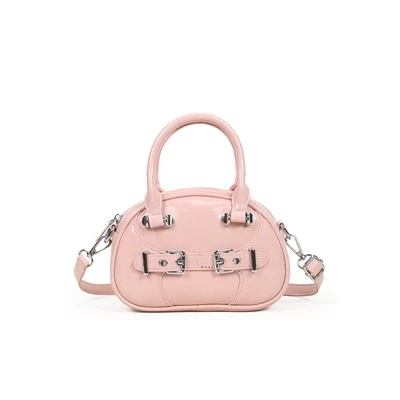
The structure of a tote bag mainly includes the following aspects:
Material and design: Tote bags are usually made of heavy canvas fabric, which is durable and can bear the weight of a large number of items. The design of a tote bag is very simple and elegant, usually without zippers, and has a large main compartment for easy storage and retrieval. In addition, tote bags are made of a variety of materials, including leather, canvas, denim, satin, etc., to meet the needs of different consumers.
Capacity and practicality: The biggest feature of a tote bag is its large capacity, which can hold notebooks, clothes, supermarket shopping items, etc. Its shape is mostly rectangular or trapezoidal, with a simple structure but very practical. The design of the tote bag was inspired by the mesh backpacks of American Indians, which were originally used to carry prey after hunting.
Hand-held design: Tote bags usually have two hand straps, which are convenient for hand-carrying or cross-body shoulder. This design makes the tote bag both practical and free.
Historical background: The name of the tote bag comes from the English word "Tote", which means to carry, tote, tote, and tote. The tote bag can be traced back to the 17th century, but the word "Tote" did not appear until 1900. In 1944, the canvas Boat Bag launched by the American outdoor brand LL Bean was the starting point for the popularity of the tote bag.
Modern design and material: The design styles of modern tote bags are diverse, from simple basic styles to fashionable printed styles, suitable for all occasions and people. In terms of materials, in addition to traditional canvas and leather, new materials such as plastic and pulp have also appeared.