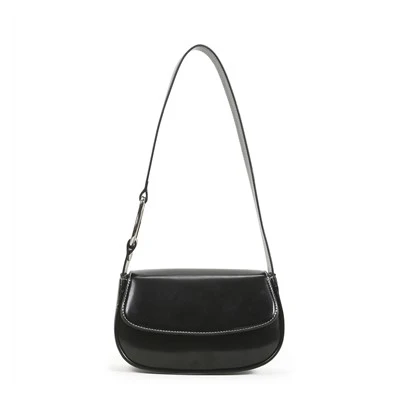
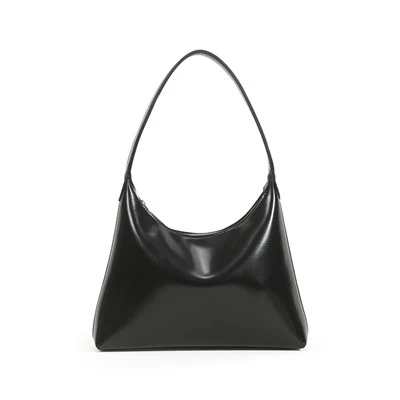
The daily commute is more than just a journey-it is a ritual. It is that transitional space between home and work, between personal and professional selves. And right at the center of this ritual is your commuter bag. It is not just a container; it is your mobile office, your tech sanctuary, your snack stockpile, and sometimes, your personal emergency kit. The wrong bag can turn your commute into a daily chore of discomfort and disorganization. The right one, however, feels like a seamless extension of yourself, making you feel prepared, professional, and put-together from door to desk and back again.
Choosing the perfect commuter bag is a delicate equation that balances practical needs, physical comfort, and personal style. It is about finding the sweet spot where function meets form. This guide will break down the three most critical, foundational elements of that choice: Capacity, Shape, and Material. Master these, and you will invest in a bag that serves you faithfully for years to come.
The Foundation: Auditing Your Daily Carry
Before we dive into specs, start with a simple exercise: The Dump-Out. Empty your current daily carry onto a table. Categorize everything:
- Tech Essentials: Laptop (measure it!), charger, mouse, dongles, tablet, power bank, headphones.
- Work Tools: Notebooks, folders, planner, pens, business card holder.
- Personal Items: Wallet, keys, phone, sunglasses case, medication.
- Comfort & Convenience: Reusable water bottle, coffee thermos, lunch container, a light sweater or scarf, a small umbrella.
- Just-in-Case Items: A snack, a reusable shopping bag, a battery pack, wet wipes.
This visual audit is your non-negotiable checklist. It defines the minimum capacity you need and highlights what organizational features (like padded sleeves or external pockets) are crucial.
1. Capacity: The Goldilocks Principle (Not Too Big, Not Too Small)
Capacity is usually measured in liters (L). It is the three-dimensional space inside your bag, and getting it just right is the first step to commuter bliss.
The Common Capacity Guide:
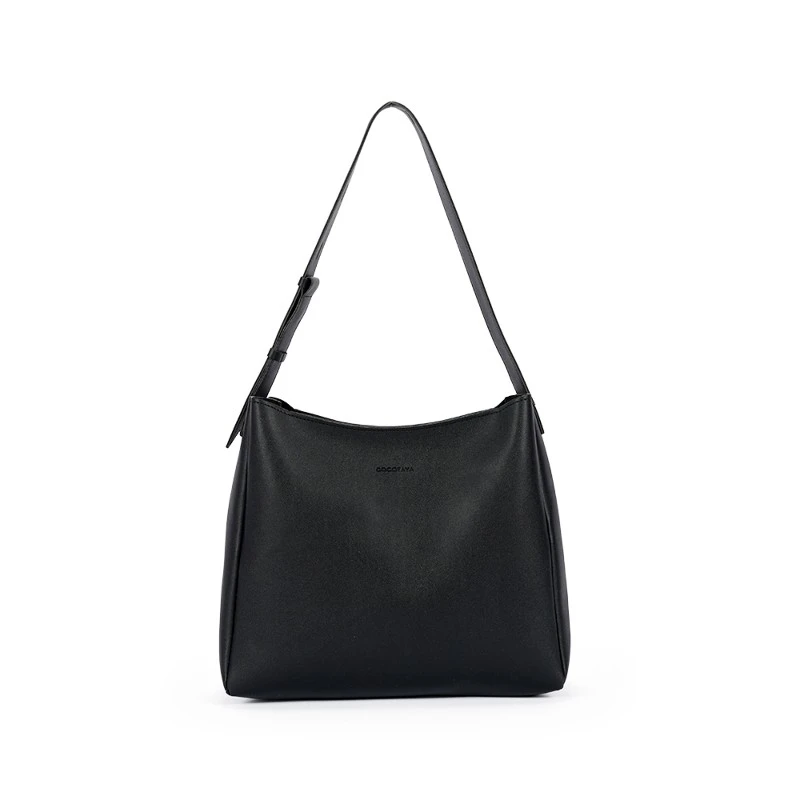
- 10-15L (Compact): The minimalist's choice. Fits a 13-inch laptop, a thin notebook, a small wallet, and a phone. Perfect if you travel light, have a dedicated desk at work, or are running quick errands. May struggle with adding lunch or a change of shoes.
- 20-25L (The Sweet Spot for Most): The classic commuter range. Comfortably holds a 15-inch laptop, a tablet, folders, a full-sized water bottle, lunch, and your personal essentials. This is the capacity that accommodates the "daily dump-out" with room to spare for the occasional extra item (like a book or a small purchase on the way home)
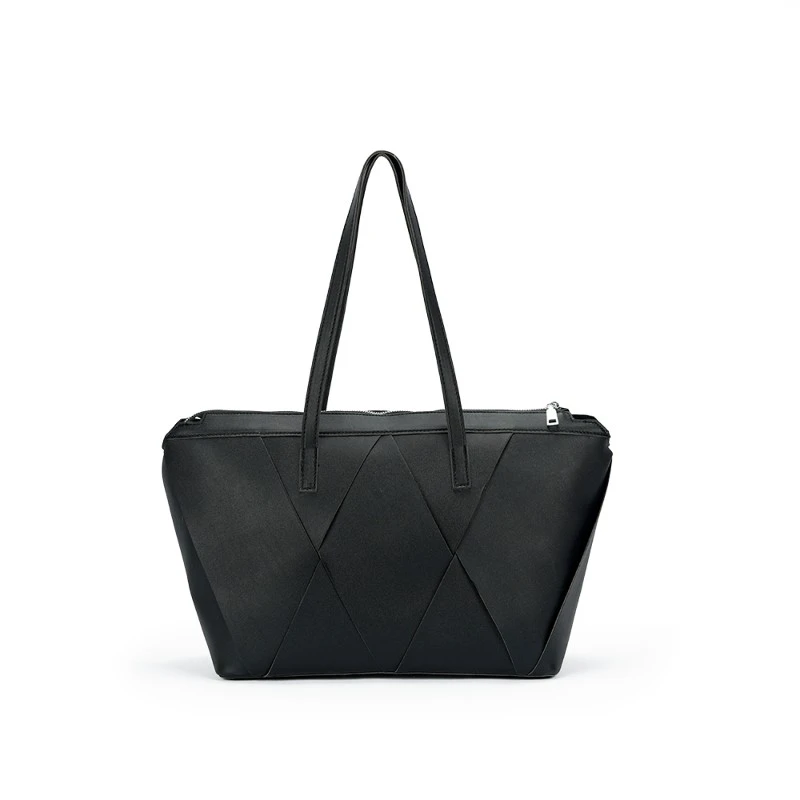
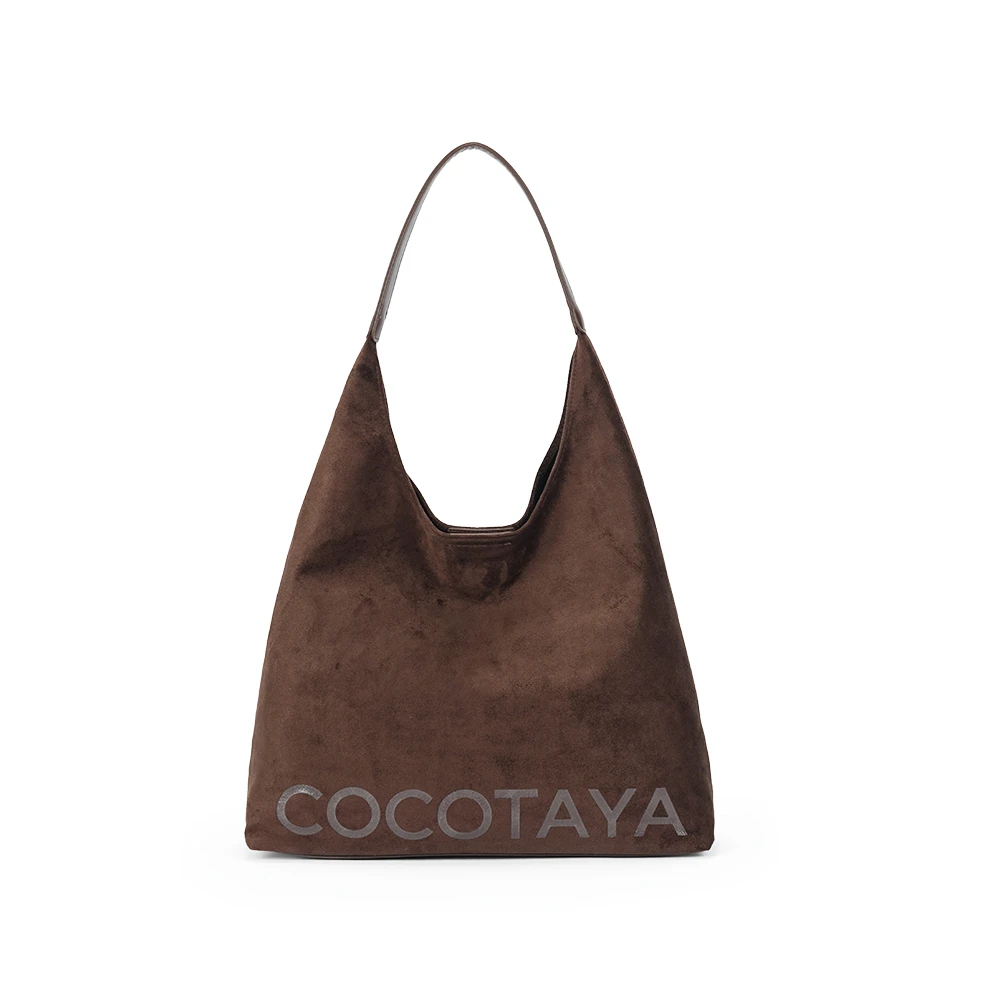
Pro-Tips on Capacity:
- Future-Proof Slightly: If you're between sizes, size up. Your needs may evolve.
- Beware of "Bulge": A bag at absolute maximum capacity is hard to organize, access, and can strain zippers and seams. Aim to fill your bag to 80-90% on a typical day.
- Consider "3D" Capacity: A bag can be deep but short, or tall but slim. Think about the shape of your largest items (e.g., a rectangular lunch box vs. a tall water bottle).
2. Shape & Carrying Style: Your Body's Best Friend
The shape of the bag and how you carry it directly impact your comfort, posture, and accessibility. It's the ergonomic cornerstone of your choice.
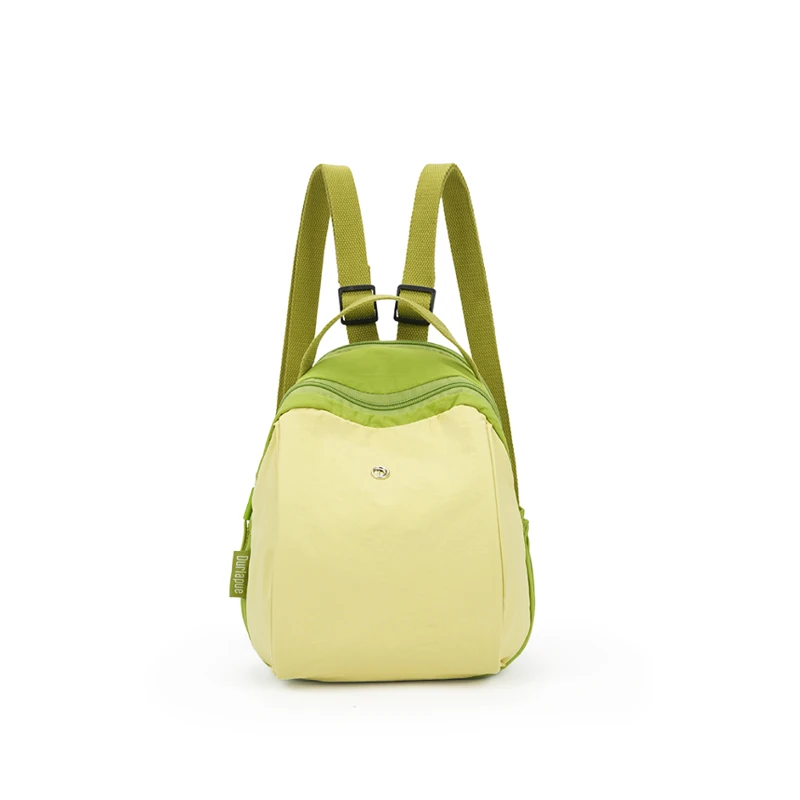
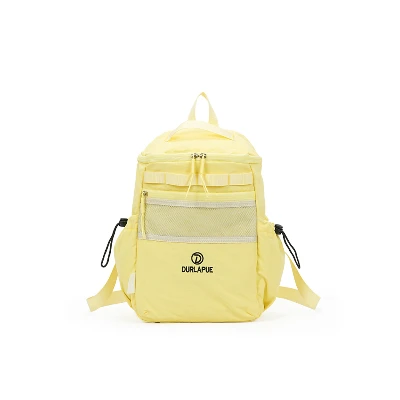
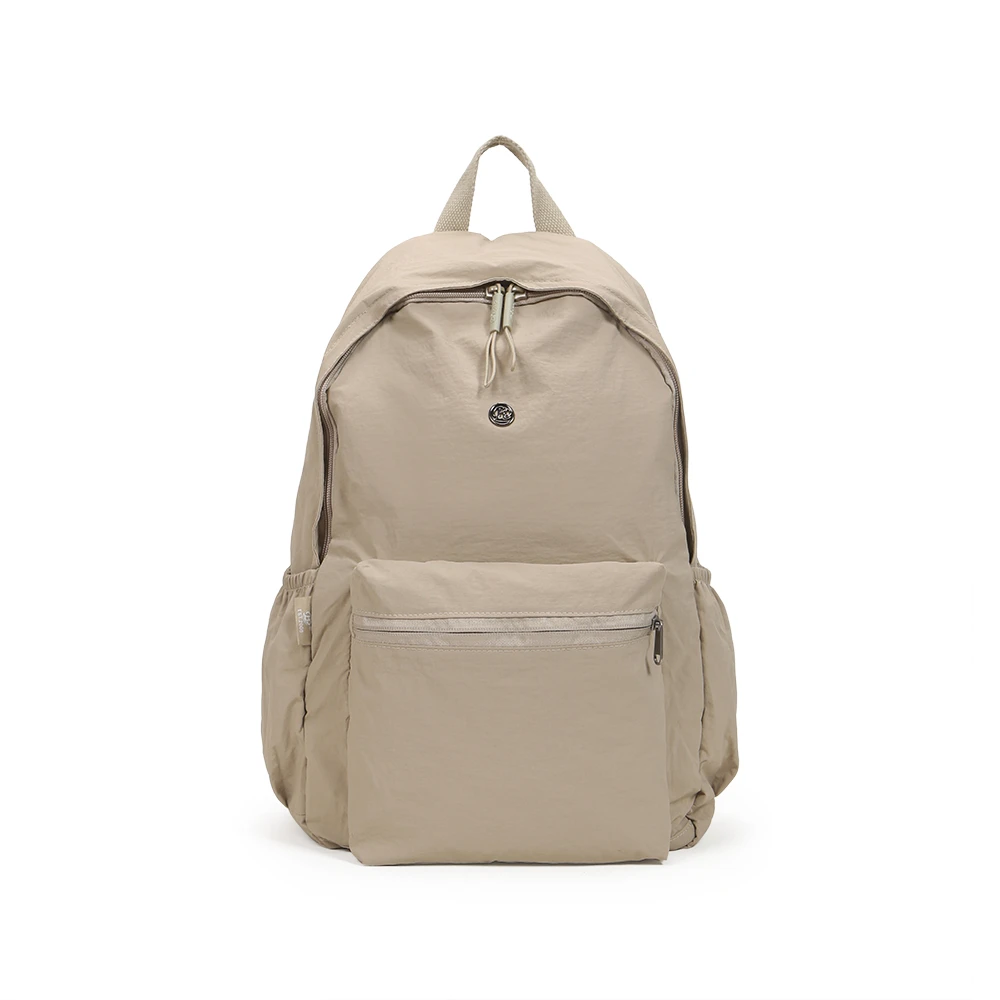
A. Backpacks: The Ergonomic Champion
- Pros: Distributes weight evenly across your back and shoulders, freeing up your hands. Offers the best stability for walking, cycling, or navigating crowded public transit. Modern commuter backpacks are sleek and professional.
- Cons: Can make you sweat on hot days ("backpack back"). Accessing items usually requires taking the bag off.
- Ideal For: Almost every commuter, especially those with longer walks, cyclists, or anyone carrying a heavier load (15+ lbs). Look for: Padded, contoured shoulder straps, a sternum strap (a game-changer for stability), and a padded, suspended laptop compartment that protects your tech and keeps the weight close to your back.
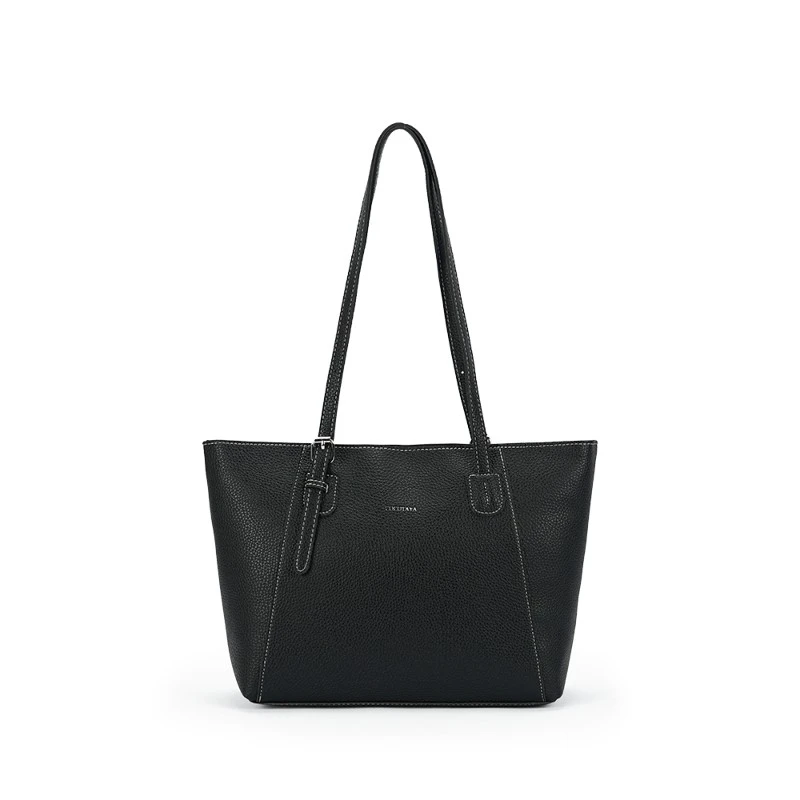
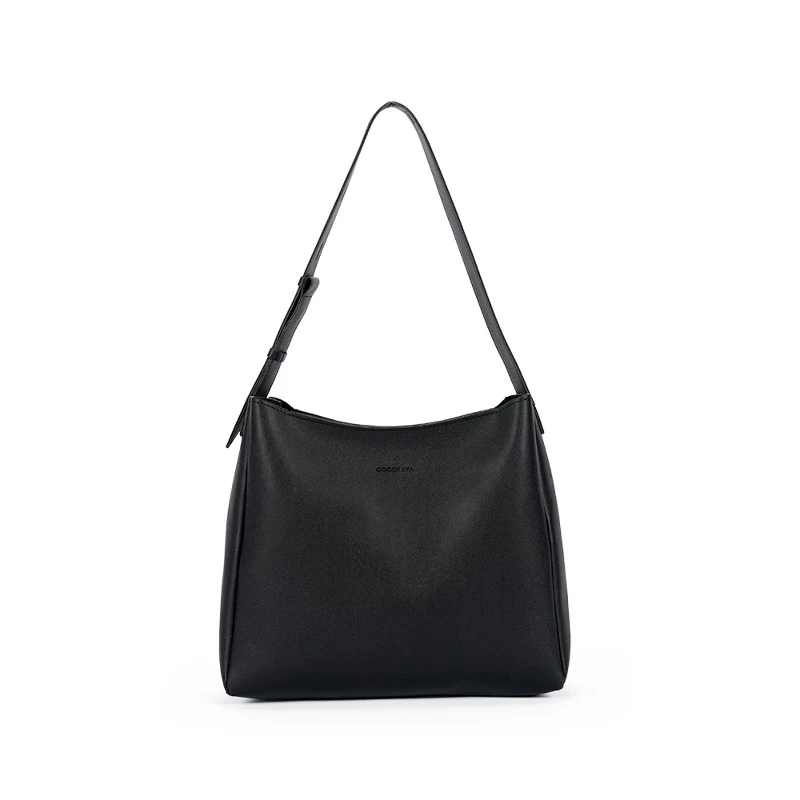
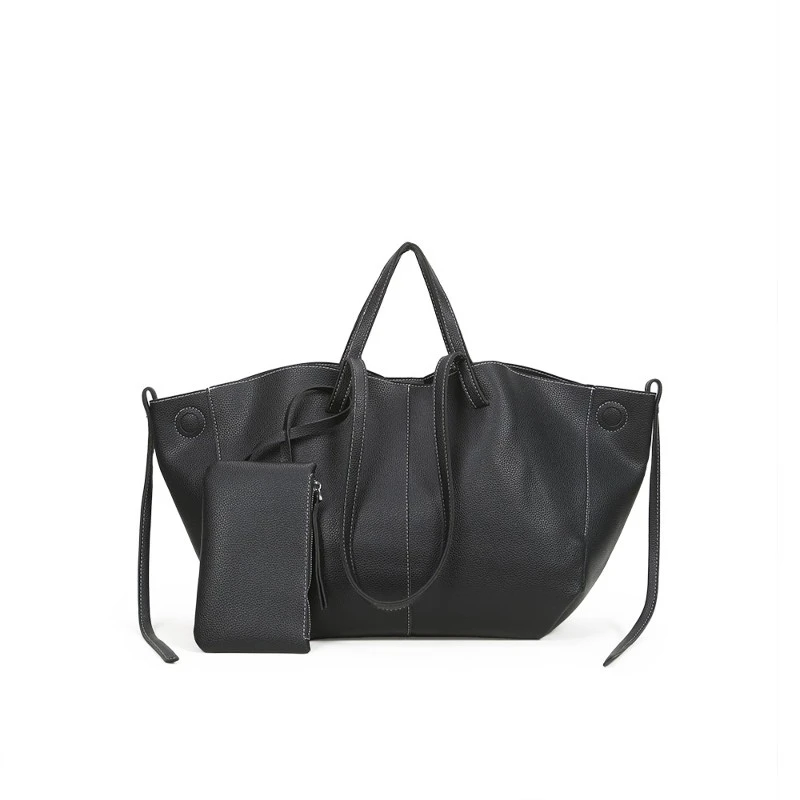
B. Totes & Briefcases: The Professional Classic
- Pros: Unbeatable professional aesthetic and easy, instant access to contents. Often open wide like a bucket.
- Cons: Asymmetrical shoulder strain is a major risk if loaded heavily. Hands are less free. Less secure in crowds.
- Ideal For: Shorter commutes (under 15 minutes walk), those who carry lighter loads, or workplaces with a formal dress code. Look for: Wide, padded shoulder straps (if it has them), a central handle for briefcase-style carrying to alternate shoulders, and internal organization to prevent "the black hole" effect.

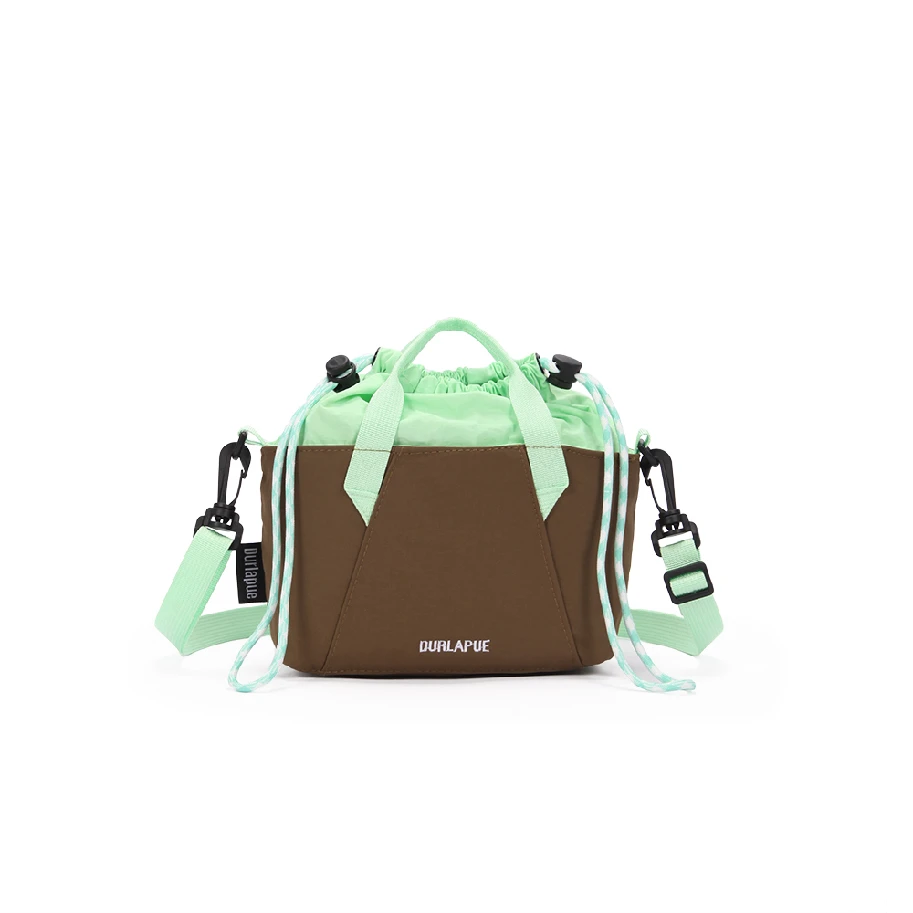
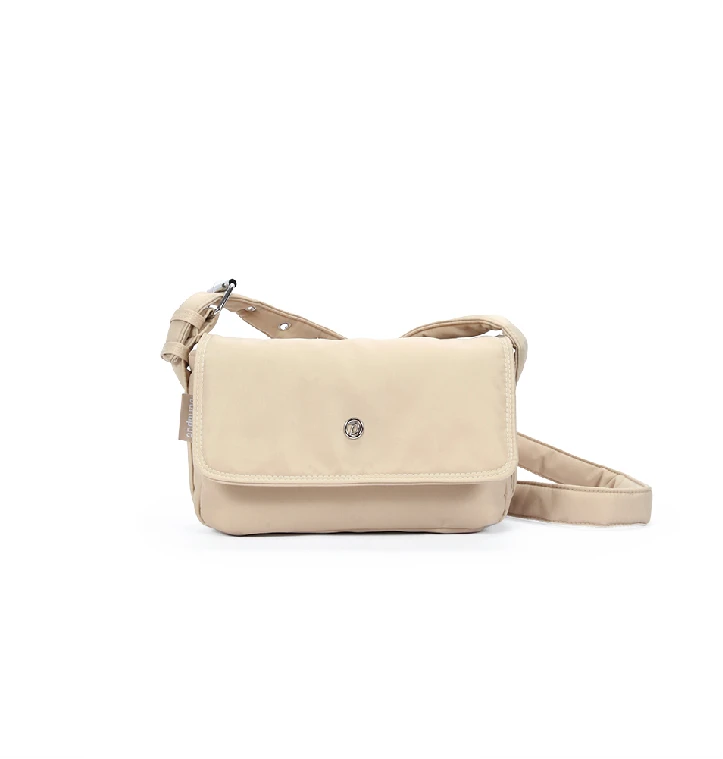
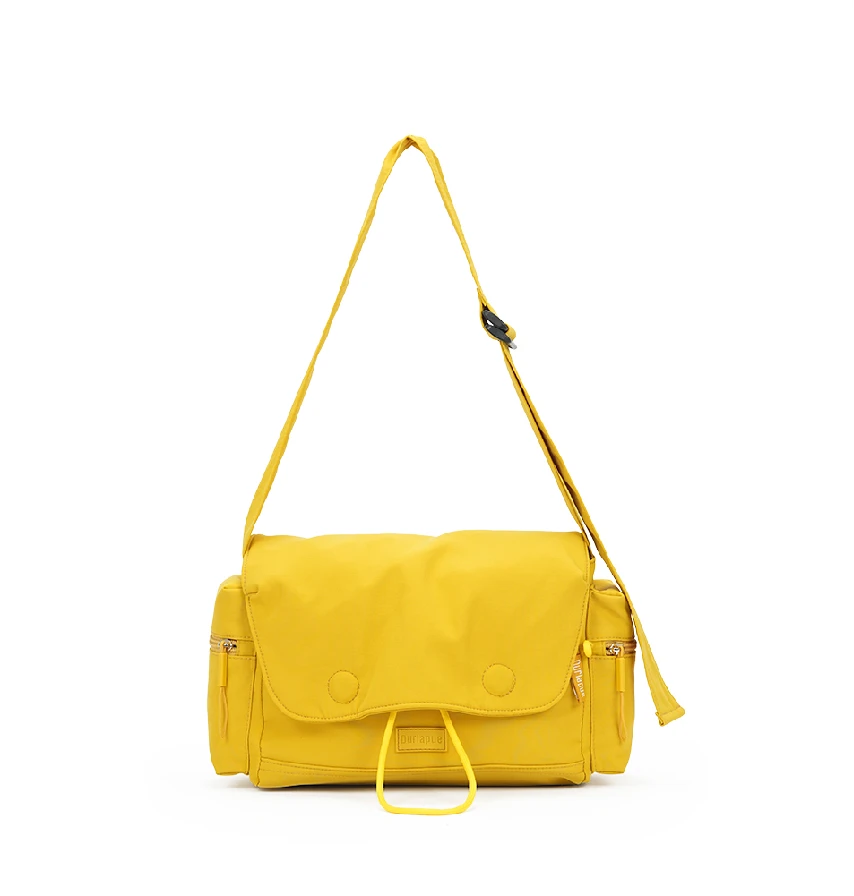
C. Messenger Bags & Crossbodies: The Agile Access
- Pros: Stylish and incredibly easy to access while wearing-just swing to the front. Great for frequent on-the-go access.
- Cons: The diagonal weight distribution can strain one shoulder and neck over time, potentially causing posture issues. Can swing unpredictably if not secured.
- Ideal For: Urban navigators, public transit users who need quick access to passes/phones, or those carrying medium loads for shorter periods. Look for: A wide, padded, adjustable strap and a stabilizer strap on the back to minimize swing and distribute weight.
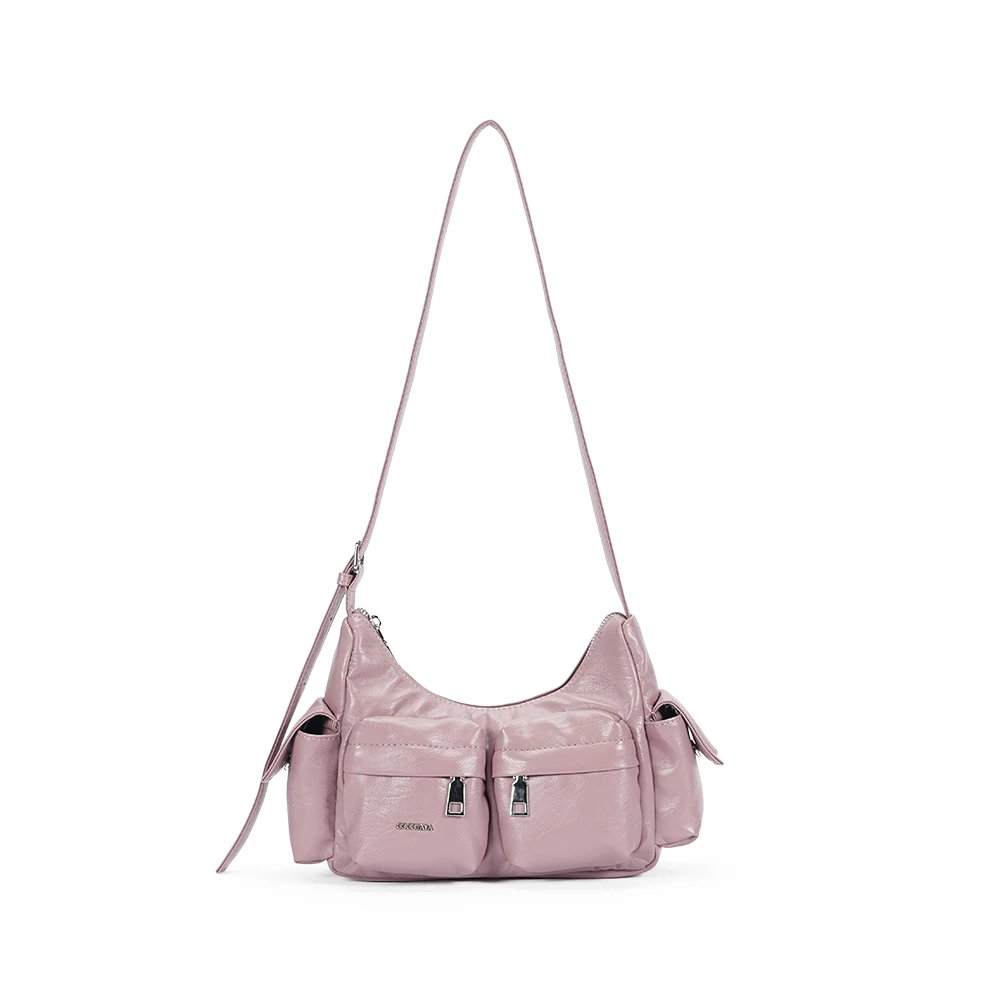
The Shape Checklist:
- Internal Organization: Does it have dedicated, padded slots for your specific laptop and tablet? Are there pockets for pens, keys, and a water bottle? Organization creates efficiency and protects your gear.
- External Access: Is there a quick-grab pocket for your transit card, phone, or sunglasses? A dedicated, easy-access side pocket for a water bottle is a lifesaver.
- Profile: Does it have a slim, structured silhouette that looks professional, or a more forgiving, expandable one? Will it fit under a bus/train seat or in an overhead bin?
3. Material: The Durability & Aesthetics Equation
The material determines your bag's lifespan, weight, weather resistance, and overall look. It's the barrier between your precious cargo and the world.
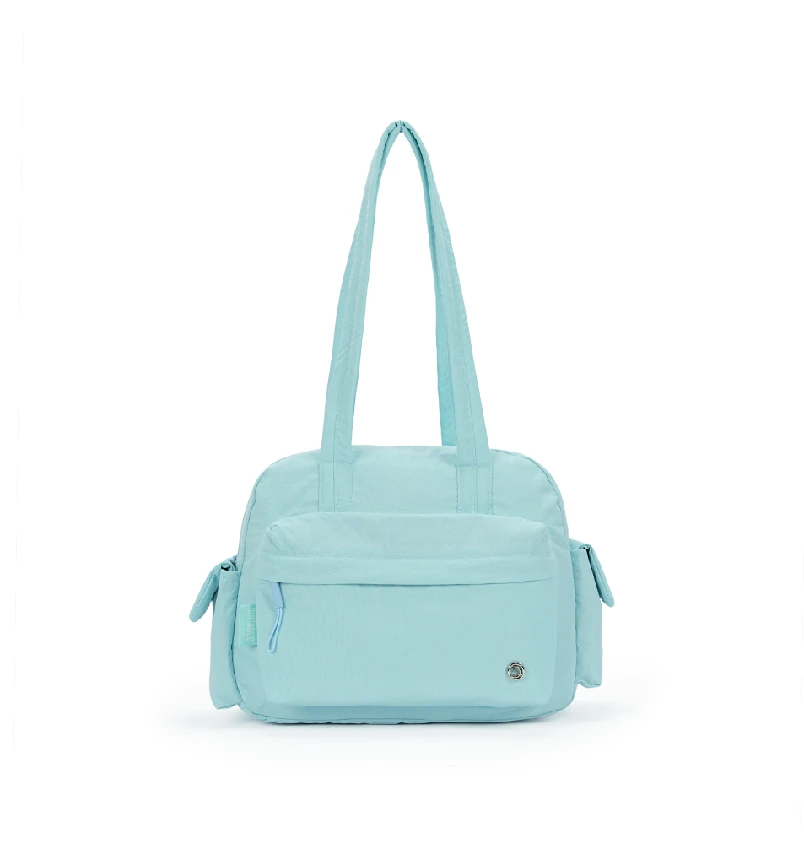
A. Nylon (especially Ballistic or Cordura): The Workhorse
- Characteristics: Incredibly durable, abrasion-resistant, and often water-resistant or treated with a DWR (Durable Water Repellent) coating. Lighter than leather. Can be woven into various textures.
- Pros: Tough, low-maintenance, practical. Excellent for all-weather commutes and heavy use. Often more affordable.
- Cons: Can look more technical or sporty than professional. May not have the natural patina or luxury feel of other materials.

B. PU: The Investment Heirloom
- Characteristics: Develops a beautiful, unique patina with age. Exudes professionalism and luxury.
- Pros: Exceptionally durable and long-lasting if cared for. Ages beautifully, telling the story of its use. Naturally water-resistant to a degree.
- Cons: Heavy, especially when empty. Expensive. Requires regular conditioning and care. Not vegan. Can be damaged by heavy rain or salt.
Our Products
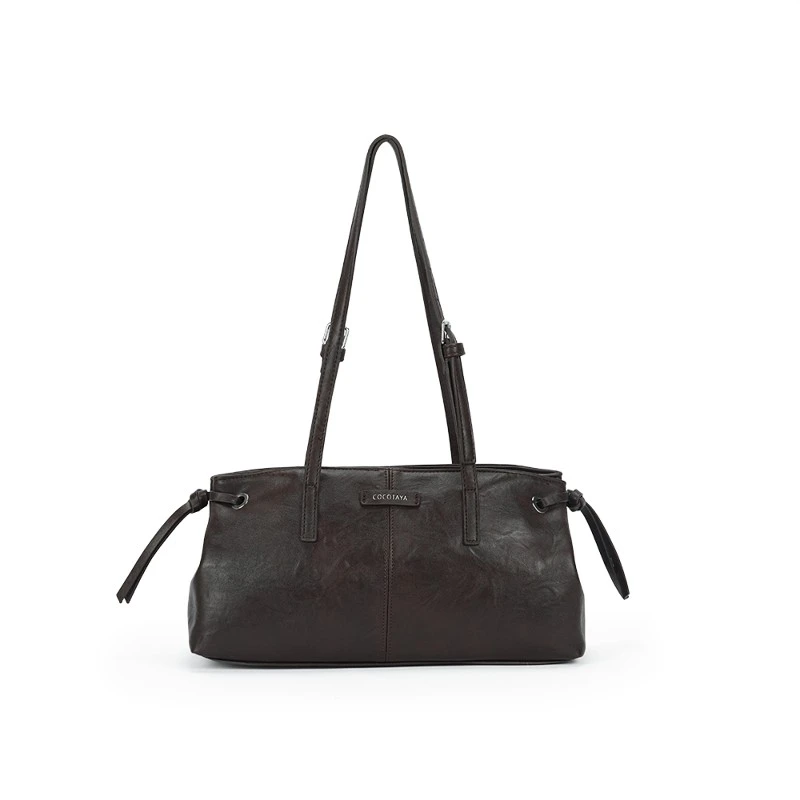
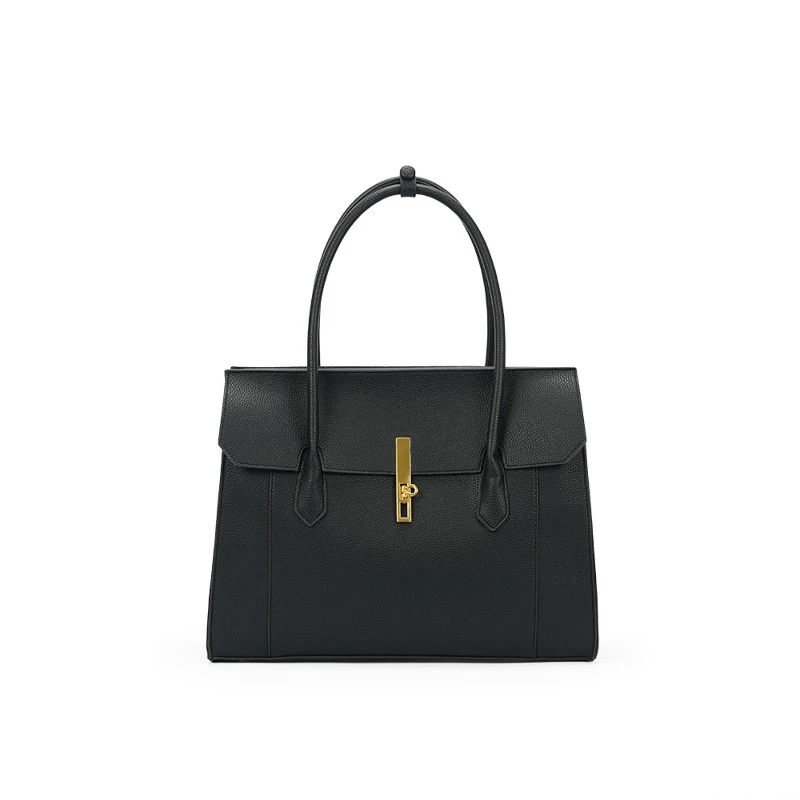
Material Pro-Tips:
- Look at the Zippers: YKK is the industry gold standard for reliability. Water-resistant aquaguard zippers are a huge plus for all-weather commuters.
- Check the Hardware: Buckles, straps, and D-rings should be sturdy metal (like aluminum or coated steel), not thin, brittle plastic).
Consider Lining
A bright, ripstop nylon lining isn't just for looks-it helps you see items inside and adds another layer of durability.
Investing time in selecting the perfect commuter bag pays daily dividends in comfort, organization, and confidence. It's the one piece of gear that accompanies you through the hustle of the commute and supports you through the focus of the workday. By prioritizing the holy trinity of Capacity, Shape, and Material, you're not just buying a bag-you're engineering a better, smoother, and more stylish daily journey.