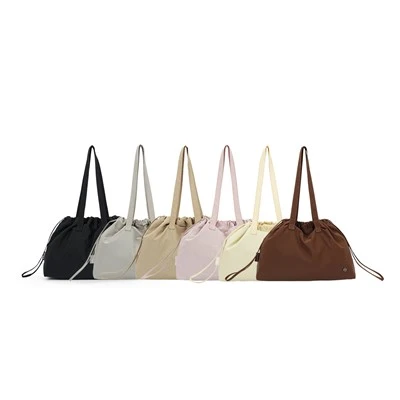
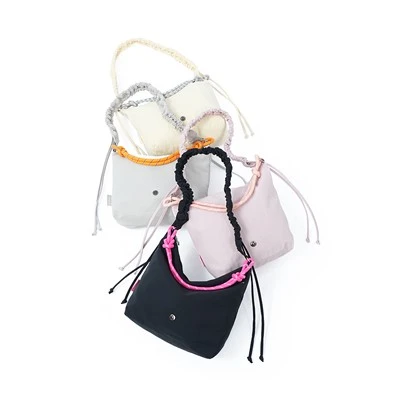
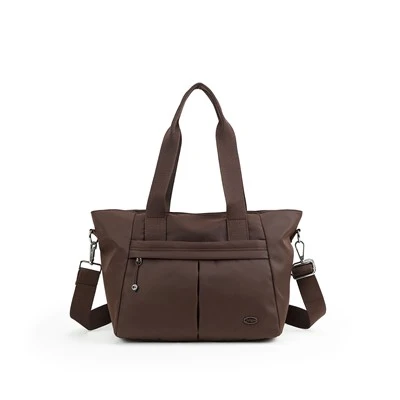
A great crossbody bag is an everyday essential. It carries your daily necessities, sits close to your body through commutes and travel, and completes your signature style. However, because it is worn so frequently and constantly rubs against coats, jeans, and rough surfaces, a crossbody bag endures far more physical wear and tear than a structured handbag or evening clutch.
Whether your favorite bag is made of full-grain leather, delicate suede, durable canvas, or high-tech nylon, taking proper care of it will extend its lifespan, protect your investment, and keep it looking pristine for years to come.
This comprehensive guide breaks down the essential cleaning techniques, material-specific care routines, storage methods, and preventive maintenance strategies to ensure your crossbody bag stays in prime condition.
1. Daily & Weekly Care Habits: Prevention First
Preventive maintenance requires far less effort than fixing deep-seated damage. Establishing a few simple habits will keep dirt, oil, and hardware tarnish from accumulating over time.
The Daily Reset Routine
Empty the Bag Daily: At the end of the day or workweek, clear out receipts, loose coins, snacks, and cosmetics. Sharp items (like un-capped pens or stray keys) can puncture or mark the interior lining.
Shake Out Debris: Turn the interior lining outward (if fabric) and gently shake out dust, lint, and crumbs that gather in bottom seams and corners.
Wipe Down Exterior Touchpoints: Use a dry micro-fiber cloth to wipe down straps, handles, and hardware to remove natural skin oils, lotions, and sweat transferred during the day.
Quick Preventive Rules
2. Material-Specific Cleaning & Care Instructions
Different materials require completely different care strategies. Using a leather conditioner on suede will ruin the texture, and aggressive water washing can strip finished leathers. Find your bag's primary material below and follow the exact protocol.
A. Smooth & Grain Leather
Real leather is an organic material that loses moisture over time. Without proper conditioning, it can dry out, crack, and absorb stains easily.
Spot Cleaning: Mix warm water with a drop of mild, pH-neutral liquid soap. Dip a microfiber cloth into the solution, wring it out completely so it is barely damp, and gently wipe down the leather in circular motions.
Conditioning: Apply a specialized leather conditioner (cream or balm) every 2 to 3 months. Spread a small amount evenly across the bag with a clean cloth. Allow it to absorb for 20 minutes, then buff gently with a soft dry cloth to restore shine.
Drying: If your leather bag gets wet from rain, let it dry naturally in a cool, well-ventilated room. Never use a hairdryer, heater, or direct sunlight, as extreme heat causes leather to shrink, harden, and crack.
B. Suede & Nubuck
Suede is known for its luxurious velvet-like nap, but it absorbs liquids and marks easily.
Dry Brushing Only: Water should be avoided on suede whenever possible. Use a specialty suede brush (with soft brass or nylon bristles) to gently brush away surface dirt. Always brush in the direction of the grain.
Removing Water Spots & Scuffs: Use a specialized suede eraser to gently rub out scuffs, watermarks, or shine spots. After erasing, use the suede brush to restore the texture.
Waterproofing Protection: Treat new suede bags immediately with a suede protectant spray before taking them outside. Reapply spray once every season.
C. Heavy Canvas & Fabric
Canvas is durable and rugged, but it acts like a sponge for dirt and oils.
Spot Treatment: Create a mixture of cool water and a mild liquid laundry detergent. Dampen a white cloth or soft-bristle toothbrush and gently work on stained areas.
Rinsing: Use a second cloth dampened only with fresh water to dab away detergent residue. Leaving soap on canvas can create yellow spots when exposed to sunlight.
Air Drying: Allow canvas to air-dry flat away from direct heat sources.
D. Nylon & Synthetic Materials
Nylon is lightweight, water-resistant, and low-maintenance, making it a favorite material for utilitarian crossbody bags.
Wiping Down: Wipe exterior surfaces with a damp cloth and mild dish soap solution.
Deep Cleaning: If the nylon bag is unlined and lacks leather trim or rigid internal structure, hand-wash it in warm water with mild detergent. Submerge the bag, gently massage dirty areas, and rinse thoroughly with cold water.
Air Drying: Hang the bag upside down with all zippers unzipped so moisture does not collect in the internal seams.
3. How to Clean Bag Linings and Hardware
Maintaining a crossbody bag's exterior is only half the battle. A neglected interior lining or tarnished hardware can significantly diminish the overall look and value of your bag.
Cleaning Fabric Linings
Pull the fabric lining out of the bag shell whenever possible.
Use a lint roller or vacuum attachment to remove fine dust particles embedded in the interior corners.
Spot clean stains on the lining with warm water and mild liquid soap on a sponge.
Allow the lining to dry completely outside the bag before pushing it back inside to prevent mold and mildew growth.
Cleaning Hardware & Zippers
Metal Hardware (Brass, Gold, Silver Plate): Wipe buckles, rings, and logos with a dry jewelry polishing cloth to remove finger oils and oxidation. Avoid harsh liquid metal polishes, as they can bleed onto the leather or fabric surrounding the hardware.
Zipper Maintenance: If a zipper feels stiff or catches frequently, drag the teeth with the tip of a graphite pencil or apply a tiny amount of clear wax (like beeswax or specialized zipper lubricant) along the track. Zip back and forth several times to distribute the lubricant smoothly.
4. Troubleshooting Common Stains and Emergencies
Accidents happen. When stains occur, speed and technique are key to preventing permanent damage.
1. Denim Dye Transfer
When light-colored leather rubs against blue jeans, denim dye transfers onto the leather surface.
Fix: Clean the area immediately using a specialized leather cleaner or a small amount of micellar water on a cotton pad. Gentle rubbing is essential-aggressive scrubbing will strip the leather's top coat finish.
2. Grease & Oil Stains
Hand cream, lip balm, or food oils create dark patches on absorbent leathers and fabrics.
Fix: Never apply water directly to a grease stain. Dust the spot generously with cornstarch or talcum powder and let it sit undisturbed for 12 to 24 hours. The powder will draw the oil out of the material. Brush off the powder with a dry cloth.
3. Ink Marks
Fix: Ink is notoriously difficult to remove once set. If the mark is fresh on finished leather, use a commercial leather ink eraser stick. Avoid using rubbing alcohol or nail polish remover, as these chemicals strip leather dyes and create permanent pale spots.
5. Proper Storage Techniques to Maintain Shape & Structure
How you store your crossbody bag when it isn't in use determines how well it retains its silhouette, structure, and leather health.
1. Maintain Shape with Stuffing
Empty bags collapse, causing permanent leather creasing and structural sag over time.
Fill the interior with acid-free tissue paper, bubble wrap, or a specialized felt bag insert.
Avoid using printed newspaper, as newsprint ink transfers permanently onto internal fabrics and light leathers.
2. Protect the Strap
Long crossbody straps can bend, kink, or mark the bag body if left dangling or twisted tightly.
Unhook detachable straps, roll them neatly, and place them inside the main compartment of the bag.
For non-detachable straps, coil the strap loosely and rest it inside or alongside the bag in its dust cover.
3. Breathable Dust Bag Storage
Store your bag inside a breathable cotton dust cover. Dust bags shield against ambient dust, accidental light exposure, and abrasion from neighboring accessories.
Never store leather accessories in airtight plastic containers or sealed vinyl bags. Leather needs air circulation to maintain its natural moisture balance. Sealed environments trap humidity, leading to mold growth and leather degradation.
4. Ideal Environment
Keep stored bags in a cool, dark, and dry closet away from direct sunlight, heating vents, and damp basements. Ideal storage temperatures range between 60°F–75°F (15°C–24°C) with low-to-moderate humidity.
Final Takeaway: A Simple Routine Equals Years of Style
Extending the lifespan of your crossbody bag does not require complex tools or expensive professional services. By combining daily preventive habits with occasional material-specific cleaning, prompt stain treatment, and proper storage, you preserve both the structural integrity and visual appeal of your accessory.