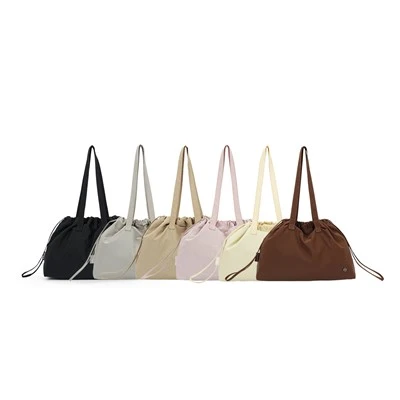
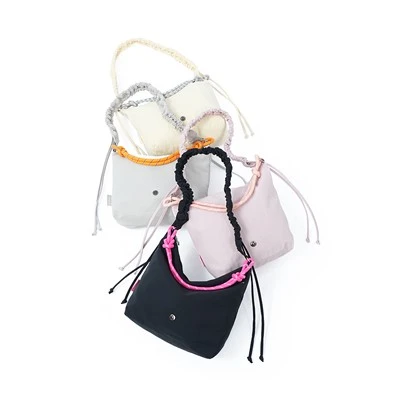
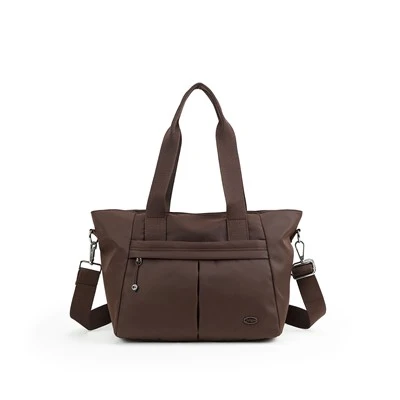
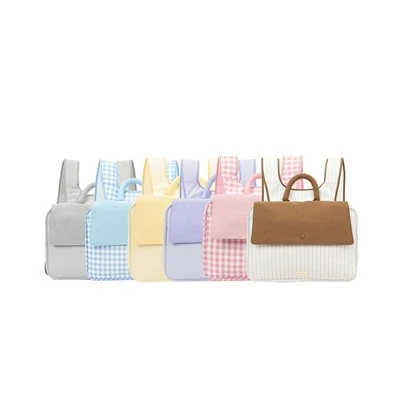
A high-quality crossbody bag is one of the most functional, versatile investment pieces you can add to your collection. It offers hands-free convenience, balances your silhouette, and serves as an anchor for daily outfits. However, choosing the right color is often where the decision-making process stalls.
Selecting a handbag color isn't just about picking your favorite hue in isolation; it's about understanding color theory, tonal harmony, and how a contrast point interacts with your daily wardrobe. The ideal shade should bridge the gap between your casual streetwear, workwear, and evening outfits without feeling forced.
This comprehensive guide breaks down every key color category-from classic neutrals to muted fashion colors and bold accent shades-to help you determine precisely which crossbody bag color will integrate seamlessly into your existing closet.
1. The Foundations of Wardrobe Color Matching
Before diving into specific bag shades, it helps to understand the underlying mechanics of how accessories interact with clothing colors.
The Anchor Effect vs. The Accent Effect
Your handbag functions in one of two ways within an outfit:
The Anchor: A color that matches or deeply harmonizes with the dominant tones of your outfit (e.g., a black bag with a dark monochrome outfit, or a tan bag with warm beige knitwear). Anchors create a cohesive, streamlined look that pulls everything together quietly.
The Accent: A color that creates intentional contrast with your clothing (e.g., a cherry red bag against a cream trench coat, or an olive bag over an all-black base). Accents draw the eye and turn the bag into a focal point.
Undertones Matter: Warm vs. Cool vs. Neutral
Matching your bag to your clothing requires an eye for undertones. Pairing warm clothes with cool accessories can sometimes look mismatched rather than intentionally contrasted.
| Undertone Category | Base Wardrobe Tones | Best Complementary Bag Colors |
| Cool Undertones | Navy, crisp white, charcoal, slate gray, cool pinks, true blue denim | Black, Cool Gray, Bright White, Navy, Burgundy |
| Warm Undertones | Cream, camel, rust, olive green, warm brown, golden yellow | Cognac, Warm Tan, Taupe, Dark Brown, Forest Green |
| Neutral Tones | Soft beige, soft gray, washed denim, muted sage, off-white | Taupe, Greige, Blush/Nude, Olive, Slate |
2. The Classic Neutrals: Maximum Versatility
Classic neutrals form the bedrock of handbag design. If your goal is maximum cost-per-wear and effortless daily styling, start here.
Black: The Indestructible Standard
Black is the default choice for a reason. It is stain-resistant, sharp, and carries an inherent sense of formality and structure.
Best for Wardrobes Dominated By: Charcoal, navy, black, cool neutrals, bold neon accents, and dark denim.
When to Avoid: If your wardrobe consists almost entirely of soft pastels, light linen, or light warm earth tones (like pale beige and camel), a heavy black leather bag can look too visually dense and bottom-heavy.
Pro Tip: Choose black leather with gold hardware for a warmer, dressier feel, or silver/gunmetal hardware for an edge, minimalist look.
Cognac & Warm Tan: The Everyday Earth Tone
Cognac and warm tan leather bring immediate warmth and texture to an outfit. They age beautifully, developing a patina over time that adds character.
Best for Wardrobes Dominated By: White linen, navy blazers, warm cream knits, olive green cargo items, and classic indigo denim.
Styling Dynamic: Tan acts as a natural bridge between blue denim and light tops. It is the ultimate weekend and daytime casual shade.
When to Avoid: If your closet is heavily weighted toward charcoal suits, cool grey knits, or stark black tailoring, cognac can clash with the cool temperature of your apparel.
Taupe & Greige: The Modern Minimalist Secret
Taupe-a soft blend of gray and brown-is often called the "chameleon neutral." Depending on what you wear it with, it can lean warm or cool.
Best for Wardrobes Dominated By: Soft neutrals, ivory, blush, heather gray, sage green, and camel.
Why It Works: Taupe eliminates the harsh visual contrast that a black bag might create against light summer clothes, while remaining elevated enough for office wear and evening outings.
When to Avoid: If you wear heavily saturated primary colors (pure red, electric blue), taupe can look slightly washed out by comparison.
Dark Chocolate Brown: The Soft Alternative to Black
Rich brown leather has experienced a major resurgence as fashion moves toward softer, quieter luxury color palettes.
Best for Wardrobes Dominated By: Beige, warm off-white, forest green, deep burgundy, and gold jewelry.
Styling Dynamic: Chocolate brown offers the same grounding depth as black, but with a gentler visual footprint. It looks exceptionally high-end when paired with cashmeres, wool coats, and heavy knits.
3. The New Neutrals: Subtle Color with High Utility
If you find traditional neutrals monotonous, "new neutrals" offer subtle color while retaining extraordinary versatility across different wardrobe palettes.
Olive & Forest Green
Green functions as nature's neutral. Because green exists alongside almost every flower shade in natural environments, our eyes perceive olive and muted sage as baseline background shades.
Best Palette Matches: Cream, black, tan, navy, rust, mustard, and gray.
Why It Works: An olive green crossbody bag adds depth to a simple jeans-and-tee outfit without clashing with other muted tones. It serves as an earthy alternative to dark brown or black.
Navy Blue
Navy is often overlooked in handbag design because people fear it won't pair with black clothing. However, modern styling fully embraces navy alongside black, grey, and brown.
Best Palette Matches: White shirts, camel coats, grey tailoring, denim-on-denim, and mustard yellow accents.
Why It Works: A structured navy crossbody is exceptionally smart for corporate environments, providing a polished look that feels slightly softer than black.
Burgundy, Oxblood & Deep Plum
Deep red shades sit right on the line between neutral and accent colors. Because of their deep, moody undertones, they read as dark neutrals from a distance, revealing rich warmth up close.
Best Palette Matches: Camel, grey, navy, forest green, black, white, and pale pink.
Why It Works: Burgundy is arguably the most elegant cold-weather handbag color. It brings life to dark winter coats without breaking the sophisticated tone of the outfit.
4. The Statement Accents: Injecting Personality
Statement colors are meant to pop. When choosing a vibrant shade for a crossbody bag, the goal is to pick a color that contrasts intentionally with your most-worn base clothing items.
Cherry Red & Crimson
Red is the quintessential statement accessory color. A small-to-medium red crossbody bag acts as an immediate focal point.
How to Wear It: Pair a bright red bag with an all-black outfit, a camel trench coat with white sneakers, or a classic navy blazer.
Wardrobe Compatibility: Works best if your wardrobe is composed primarily of solid-colored neutrals (white, navy, black, grey) where the bag can serve as the singular pop of color.
Mustard & Golden Yellow
Yellow brings optimism and warmth to a wardrobe.
How to Wear It: Golden yellow pairs magnificently with navy blue, dark indigo denim, charcoal gray, and deep olive tones.
Seasonal Adaptability: Bright yellow suits summer linen, while deep mustard complements autumn knits and brown leather boots.
Cream, Bone & Off-White
A light-colored bag brings immediate freshness and crisp contrast to an ensemble.
How to Wear It: Ideal for monochromatic summer styling, dark winter coats (for contrast), and pastel palettes.
Maintenance Note: Light crossbody bags ride constantly against your hips, making them vulnerable to color transfer from raw denim jeans. Choose treated, easy-to-clean leather if you opt for bone or white.
5. How to Audit Your Wardrobe in 4 Steps
To find the absolute best crossbody bag color for your specific wardrobe, follow this simple evaluation process:
[Step 1: The Color Dump] Pull out your 10 most frequently worn outfits. │
[Step 2: Identify Your Base] Determine if your clothes are predominantly Cool, Warm, or Balanced Neutral. │
[Step 3: Analyze Your Shoes] Check your primary footwear colors (Black, Tan, White, Sneakers). │
[Step 4: Select Your Anchor/Accent Strategy] Choose a bag color that complements at least 7 out of the 10 core outfits.
Step 1: The 10-Outfit Inventory
Pull out the 10 outfits you wore most frequently over the past month. Lay them on your bed or hang them together.
Step 2: Identify the Dominant Temperature
Look at the collection as a whole:
Do you see mostly black, grey, dark denim, and navy? (Cool Core)
Do you see mostly beige, cream, camel, rust, and khaki? (Warm Core)
Do you see a mix of soft mid-tones, light wash denim, and muted greens? (Neutral/Soft Core)
Step 3: Footwear Harmony
While matching your bag exactly to your shoes is no longer a strict fashion rule, your bag should still coordinate with your footwear palette.
If you wear white sneakers and black boots daily, a black, taupe, or burgundy bag creates effortless harmony.
If you wear brown loafers, tan sandals, and white sneakers, a cognac, olive, or warm tan bag will blend seamlessly.
Step 4: Calculate Color ROI (Return on Investment)
Hold potential color swatches (or photos of bags) against your 10 core outfits.
A High-ROI bag color matches or elevates at least 7 out of 10 outfits.
A Low-ROI bag color only works with 1 or 2 hyper-specific combinations.
6. Real-World Wardrobe Case Studies
Case Study A: The Corporate & Minimalist Closet
Wardrobe Profile: Tailored black trousers, charcoal blazers, white button-downs, dark jeans, navy coats.
Primary Palette: Black, Grey, Navy, Crisp White.
Winning Crossbody Colors:
Black Leather (Gold Hardware): For seamless integration.
Deep Burgundy / Oxblood: Adds rich color while remaining professional.
Cool Slate Grey: Sleek, modern, and monochromatic.
Case Study B: The Casual Earthy & Coastal Closet
Wardrobe Profile: Cream knits, light-wash jeans, linen pants, olive jackets, tan sandals.
Primary Palette: Camel, Off-White, Olive, Indigo.
Winning Crossbody Colors:
Cognac / Honey Tan: Enhances natural textures and warm tones.
Olive Green: Provides tone-on-tone depth against creams and blues.
Soft Taupe: Keeps light summer outfits looking airy and soft.
Case Study C: The Creative & Vibrant Closet
Wardrobe Profile: Patterned dresses, colorful knits, graphic tees, mixed denim.
Primary Palette: Pink, Teal, Yellow, Multi-print.
Winning Crossbody Colors:
Taupe / Greige: Acts as a neutral anchor so clothing patterns take center stage.
Cherry Red: Leans into bold color-blocking without clashing.
Natural Vachetta Leather: Neutralizes busy patterns with classic, raw texture.
7. Hardware & Strap Considerations
The metal hardware on your crossbody bag acts like jewelry, playing a key role in how well the bag integrates into your overall outfit.
Strap Material Counts: A crossbody bag with a leather strap in the same color as the bag body creates a long, unbroken visual line. A crossbody bag with a chain strap turns the bag into an accessory-jewelry hybrid, adding formal shine that dresses up casual outfits instantly.
Final Verdict: Finding Your Perfect Match
There is no single "correct" color for everyone, but by matching your bag choice to your wardrobe's dominant undertones and lifestyle demands, you can choose a shade that delivers maximum versatility:
Choose Black if your style is structured, cool-toned, urban, or heavily corporate.
Choose Cognac or Tan if your style relies on denim, warm knits, earth tones, and casual layering.
Choose Taupe or Greige if you want one single bag to effortlessly bridge summer whites and winter neutrals.
Choose Burgundy or Olive if you want subtle, elevated color that acts like a neutral while adding personality.
Choose Cherry Red if your clothes are simple solids and you want your bag to serve as an eye-catching focal point.