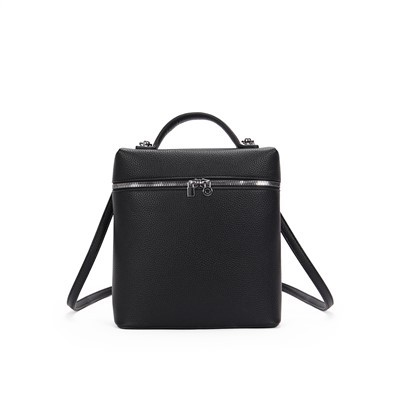
As a supplier of short wallets, I've often been asked about the heat resistance of our products. Heat resistance is a crucial factor, especially considering the various environments our wallets might be exposed to. In this blog, I'll delve into what heat resistance means for short wallets, the factors that affect it, and how our products stack up in this regard.
Understanding Heat Resistance in Short Wallets
Heat resistance refers to a material's ability to withstand high temperatures without significant degradation. For short wallets, this means maintaining their structural integrity, color, and functionality when exposed to heat. Whether it's left in a hot car on a sunny day or near a heat source, a wallet with good heat resistance will not warp, melt, or lose its shape.
The heat resistance of a short wallet depends largely on the materials used in its construction. Different materials have different melting points and thermal properties. For example, leather is a popular choice for wallets due to its durability and aesthetic appeal. Genuine leather has a relatively high heat resistance compared to some synthetic materials. It can withstand moderate heat without significant damage, but prolonged exposure to high temperatures can cause it to dry out, crack, or change color.
On the other hand, synthetic materials like PU leather are also commonly used in short wallets. PU leather, or polyurethane leather, is a man - made alternative to genuine leather. It is often more affordable and easier to maintain. However, its heat resistance can vary depending on the quality of the PU. Lower - quality PU leather may start to deform or melt at relatively low temperatures, while higher - quality PU can withstand more heat.
Factors Affecting Heat Resistance
Material Composition
As mentioned earlier, the type of material is the most significant factor. Genuine leather, which is made from animal hides, has natural fibers that give it a certain level of heat resistance. The tanning process also plays a role. Vegetable - tanned leather, for instance, is known for its durability and can handle heat better than some other types of tanned leather.
Synthetic materials are engineered, and their heat resistance can be adjusted during the manufacturing process. For example, adding heat - resistant additives to the polymer used in PU leather can improve its ability to withstand high temperatures.
Thickness and Density
The thickness and density of the wallet material also affect heat resistance. Thicker materials generally have better heat resistance because they can insulate against heat better. A thick leather wallet will take longer to heat up and will be less likely to be damaged by short - term exposure to high temperatures compared to a thin one.
Similarly, a wallet with a higher density material will have more molecules packed closely together, which can help it resist the effects of heat. For example, a densely woven fabric wallet may be more heat - resistant than a loosely woven one.
Design and Construction
The design of the wallet can impact its heat resistance. Wallets with multiple layers or compartments may have better insulation properties. The way the layers are bonded together also matters. If the bonding agent is heat - sensitive, it can weaken or break down when exposed to high temperatures, causing the wallet to come apart.
Our Short Wallet Offerings and Their Heat Resistance
We offer a wide range of short wallets, each with different heat - resistant properties. Our Short Wallet for Ladies is available in both genuine leather and high - quality PU leather options.
The genuine leather version is made from top - grade cowhide that has been carefully tanned to enhance its durability and heat resistance. It can withstand temperatures up to around 100°C (212°F) for short periods without significant damage. This makes it suitable for everyday use, even in warm climates or when accidentally left in a hot car.
The PU leather option in our ladies' short wallet is of a premium quality. We use a special formulation of PU that has been treated to improve its heat resistance. It can handle temperatures up to 80°C (176°F) before showing any signs of deformation. This makes it a great choice for those who want a stylish and affordable wallet without sacrificing too much in terms of heat resistance.
Our Short Wallet with Strips is another popular product. The strips on this wallet not only add a unique aesthetic touch but also contribute to its heat - dissipation properties. The design allows air to circulate better, reducing the chances of heat buildup inside the wallet. Whether it's made of leather or PU, this wallet is designed to be more heat - resistant compared to some of our other models.


The PU Leather Short Wallet is specifically engineered for heat resistance. We use a high - performance PU material that can withstand temperatures up to 90°C (194°F). This wallet is a great option for customers who are looking for a synthetic wallet that can hold up well in hot environments.
Testing Our Wallets for Heat Resistance
We take the heat resistance of our wallets very seriously. Before launching any new product, we conduct rigorous heat - resistance tests. We use specialized equipment to simulate different heat conditions, from moderate heat exposure to extreme heat scenarios.
We expose the wallets to specific temperatures for set periods of time and then evaluate their condition. We look for signs of deformation, color change, and loss of functionality. Only when a wallet passes our strict heat - resistance tests do we consider it ready for the market.
Importance of Heat Resistance in Short Wallets
Heat resistance is not just a technical specification; it has real - world implications for our customers. A wallet with good heat resistance will last longer. It won't lose its shape or color over time due to heat exposure, which means it will maintain its aesthetic appeal.
Functionality is also crucial. A heat - damaged wallet may become stiff, making it difficult to open and close compartments. The stitching may come loose, and the cards and cash inside may be at risk of damage. By choosing a heat - resistant wallet, customers can ensure that their personal belongings are safe and that the wallet remains in good working condition.
Contact Us for Procurement
If you're interested in our short wallets and want to learn more about their heat - resistant properties or place an order, we'd love to hear from you. We offer competitive pricing, high - quality products, and excellent customer service. Whether you're a retailer looking to stock our wallets or an individual interested in bulk purchasing, we can accommodate your needs. Reach out to us, and let's start a conversation about how we can meet your short - wallet requirements.
References
- "Leather Science and Technology" by Covington, A. D.
- "Polymer Materials: An Introduction" by Billmeyer, F. W.