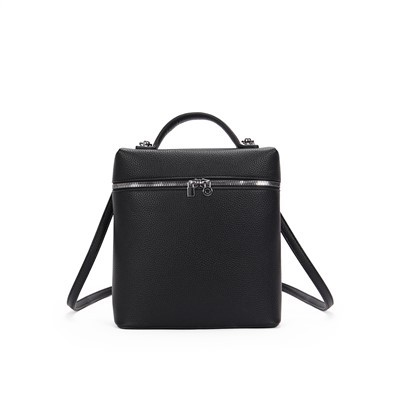
Hey there! As a backpack supplier, I've seen all sorts of backpacks and how people carry them. Carrying a heavy backpack isn't just about slinging it over your shoulders; it's an art that, when done right, can save you from a world of pain and discomfort. So, let's dive into the best ways to carry a heavy backpack.

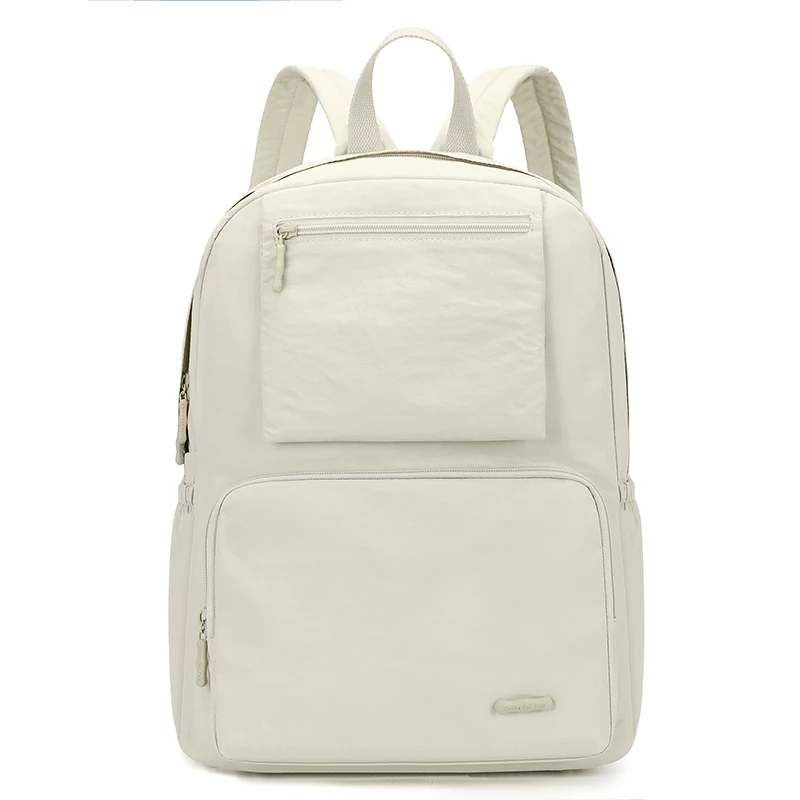
First off, the right backpack matters big time. You can't expect to carry a ton of stuff comfortably in a flimsy bag. That's why we offer a range of high - quality backpacks, like the Campus Backpack with Laptop Sleeve. This backpack is designed with a special laptop sleeve, which not only keeps your laptop safe but also helps in distributing the weight evenly. It's perfect for students or anyone who needs to carry a laptop around all day.
Another great option is the Luxury Backpack for Laptop. It's not just about luxury; it's about functionality. With its well - padded straps and a sturdy frame, it can handle a heavy load without causing too much strain on your body. And if you're a frequent traveler, the Stylish Carry On Backpack is a must - have. It meets airline carry - on requirements and has plenty of compartments to keep your stuff organized.
Now, let's talk about how to actually carry that heavy backpack. The first rule is to adjust the straps properly. You want the backpack to sit close to your body, right between your shoulder blades. If the straps are too loose, the backpack will hang down and pull on your shoulders, causing pain. On the other hand, if they're too tight, it can restrict your movement and also be uncomfortable. Most of our backpacks come with adjustable straps, so you can find that sweet spot.
Next, use both shoulder straps. I know it might be tempting to sling the backpack over one shoulder, especially when you're in a hurry. But this can lead to uneven weight distribution, which can cause back and neck problems over time. Using both straps helps to spread the weight evenly across your back and shoulders.
The position of the backpack on your back is also crucial. It should be centered on your back, not tilted to one side. A tilted backpack can put extra stress on one side of your body, leading to muscle imbalances and pain. Make sure the bottom of the backpack sits above your hips. If it hangs too low, it can pull your body forward and strain your lower back.
When it comes to packing the backpack, it's all about organization. Put the heaviest items close to your back. This helps to keep the center of gravity close to your body, making it easier to carry. For example, if you're carrying books, put them at the back of the backpack. Lighter items can go in the outer compartments.
You should also avoid overpacking. It might seem like you can fit everything in there, but overloading your backpack can cause serious problems. Know the weight limit of your backpack and stick to it. Our backpacks are designed to handle a certain amount of weight, but pushing the limit can damage the backpack and your body.
Taking breaks is important too. If you're carrying a heavy backpack for a long time, stop every now and then to give your body a rest. You can take the backpack off and stretch your back, shoulders, and neck. This helps to relieve the pressure and prevent fatigue.
If you're going to be carrying a heavy backpack for an extended period, consider using a hip belt. Some of our backpacks come with hip belts, which can transfer some of the weight from your shoulders to your hips. This takes a lot of strain off your upper body and makes it easier to carry the load.
Now, let's talk about the material of the backpack. A good quality backpack should be made of durable material that can withstand the weight. Our backpacks are made from high - quality fabrics that are both strong and lightweight. This means you can carry a heavy load without the backpack itself adding too much extra weight.
Proper maintenance of the backpack is also essential. Check the straps, zippers, and seams regularly for any signs of wear and tear. If you notice any problems, fix them right away. A damaged backpack can't distribute the weight properly and can cause more problems.
In conclusion, carrying a heavy backpack the right way is a combination of choosing the right backpack, adjusting it properly, packing it smartly, and taking care of your body. As a backpack supplier, we're committed to providing you with the best backpacks that are designed with your comfort and safety in mind.
If you're interested in our backpacks or have any questions about carrying heavy loads, we'd love to hear from you. Whether you're a student, a traveler, or someone who just needs a reliable backpack, we've got you covered. Reach out to us for a detailed discussion on your requirements and let's find the perfect backpack for you.
References
- "Ergonomics of Backpack Use in Children and Adolescents" - A research study on proper backpack use and its impact on the body.
- "Backpack Design and Functionality" - An article that discusses the importance of backpack design in carrying heavy loads.