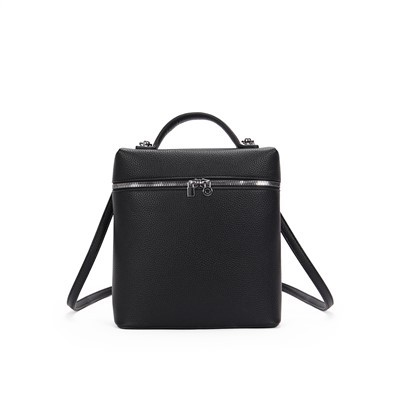
Storing a school backpack properly when not in use is crucial for its longevity and functionality. As a School Backpack supplier, I've witnessed firsthand the impact of good and bad storage practices on backpacks. In this blog post, I'll share some effective ways to store your school backpack to keep it in top - notch condition.
Empty and Clean the Backpack
Before storing your school backpack, the first step is to thoroughly empty it. Remove all items, including books, notebooks, stationery, food wrappers, and any other debris. This not only prevents the growth of mold and mildew but also reduces the weight on the backpack's structure.
Once emptied, give it a good cleaning. For light dirt, a simple wipe - down with a damp cloth and mild soap should do the trick. If the backpack is heavily soiled, check the care instructions. Some backpacks can be machine - washed on a gentle cycle. However, be cautious as machine - washing may damage certain features like zippers or straps. After cleaning, let the backpack dry completely in a well - ventilated area. Avoid direct sunlight, as it can fade the colors and weaken the fabric.
Choose the Right Storage Location
The storage location plays a significant role in the preservation of your school backpack. A cool, dry, and dark place is ideal. Basements and attics can be problematic as they may be prone to high humidity, which can cause mold and mildew to grow on the backpack. A closet is a great option. It provides a stable environment away from direct sunlight and excessive moisture.
If you don't have enough closet space, you can also use under - bed storage containers. Make sure the containers are clean and dry before placing the backpack inside. This protects the backpack from dust and pests.
Fold or Hang the Backpack Correctly
There are two common ways to store a school backpack: folding and hanging. The method you choose depends on the available space and the type of backpack you have.
Folding
If you opt to fold the backpack, start by laying it flat on a clean surface. Fold the sides in towards the center, then fold the top down over the bottom. This helps to maintain the shape of the backpack and reduces the amount of space it takes up. Place the folded backpack in a storage container or on a shelf. Avoid stacking heavy items on top of it, as this can distort its shape.
Hanging
Hanging is a great option for backpacks with sturdy straps. Use a strong hanger and hang the backpack by the top handle. This keeps the backpack in its natural shape and allows air to circulate around it. However, make sure the hanger is wide enough to support the backpack without causing the straps to stretch or break.
Protect the Backpack from Pests and Damage
Pests like moths and rodents can damage your school backpack. To prevent this, place cedar chips or mothballs in the storage area. However, be cautious when using mothballs as they contain chemicals that can be harmful if inhaled.
Also, protect the backpack from sharp objects. Keep it away from tools, nails, or anything that could puncture or tear the fabric. If you're storing multiple backpacks together, make sure they don't rub against each other, as this can cause wear and tear.
Consider the Backpack's Features
Different types of school backpacks have different features that need special attention during storage. For example, if your backpack has a laptop compartment, make sure to stuff it with a soft item like a towel to maintain its shape. This prevents the compartment from collapsing and keeps it in good condition for when you need to use it again.
Backpacks with padded straps should also be stored carefully. Avoid bending or twisting the straps, as this can damage the padding. If possible, lay the backpack flat or hang it in a way that the straps are not distorted.


Storing Different Styles of Backpacks
As a School Backpack supplier, I offer a variety of backpack styles, including Casual Gear Backpack and Laptop Handheld Bag. Each style has its own storage requirements.
Casual Gear Backpack
These backpacks are often used for more than just school. They may be used for outdoor activities or casual outings. When storing a Casual Gear Backpack, pay attention to any additional features like water - resistant coatings. Make sure the backpack is clean and dry before storage to maintain these features. If the backpack has a lot of pockets, consider stuffing them with tissue paper to keep their shape.
Laptop Handheld Bag
Laptop Handheld Bags are designed to protect your laptop. When storing this type of bag, make sure the laptop compartment is empty. You can place a soft cloth inside to prevent scratches. If the bag has a handle, avoid hanging it in a way that puts too much stress on the handle.
Long - Term Storage
If you're storing your school backpack for an extended period, such as during the summer break, there are a few additional steps you can take. First, apply a fabric protector to the backpack. This helps to repel dirt and stains and can extend the life of the backpack.
Second, consider wrapping the backpack in a breathable fabric like a cotton sheet. This provides an extra layer of protection against dust and pests while still allowing air to circulate.
Regular Checks
Even when the backpack is in storage, it's important to check on it regularly. Every few months, take the backpack out of storage, air it out, and inspect it for any signs of damage or mold. If you notice any issues, address them immediately to prevent further damage.
Conclusion
Properly storing your school backpack when not in use is essential for maintaining its quality and functionality. By following these tips, you can ensure that your backpack stays in great condition for years to come.
As a School Backpack supplier, I'm dedicated to providing high - quality backpacks that meet your needs. If you're interested in purchasing School Backpack or any of our other products, I encourage you to reach out to discuss your requirements. We can work together to find the perfect backpack for you or your institution.
References
- Backpack Care Guidebooks from leading manufacturers
- Industry research on fabric storage and preservation