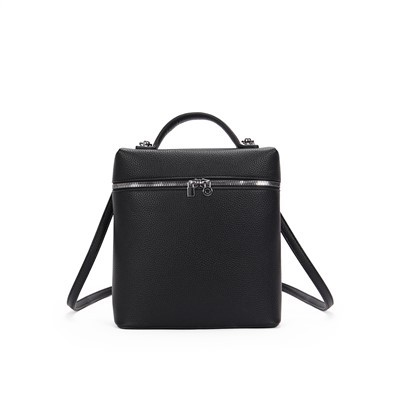
How to make a school backpack more comfortable to carry?
As a school backpack supplier, I've witnessed firsthand the challenges students face when it comes to carrying their daily essentials. The discomfort of a poorly designed backpack can lead to various issues, from back pain to poor posture. In this blog, I'll share some practical tips on how to make a school backpack more comfortable to carry, ensuring that students can focus on their studies without the distraction of discomfort.


Choose the Right Backpack
The first step in ensuring comfort is selecting the right backpack. A backpack that fits well and has the right features can make all the difference. Here are some key factors to consider:
- Size: The backpack should be the right size for the student's body. It should not be too large or too small. A general rule of thumb is that the backpack should not extend more than 4 inches below the waistline. You can check out our School Backpack collection, which offers a variety of sizes to suit different needs.
- Weight Distribution: Look for a backpack with multiple compartments and a padded back panel. Multiple compartments help distribute the weight evenly, while a padded back panel provides extra comfort and support. Our Campus Backpack with Laptop Sleeve is designed with these features in mind, ensuring that the weight is evenly distributed and the back is well-supported.
- Shoulder Straps: The shoulder straps should be wide and padded to prevent pressure points. Adjustable straps are also important, as they allow the student to customize the fit. Some backpacks also come with chest and waist straps, which help to further distribute the weight and reduce strain on the shoulders. Our Stylish Carry On Backpack has adjustable shoulder straps and a chest strap for added comfort.
Pack Smart
How you pack your backpack can also have a significant impact on comfort. Here are some tips on how to pack smart:
- Use Compartments: Take advantage of the backpack's compartments to organize your items. Place heavier items, such as textbooks and laptops, in the center of the backpack, close to your back. This helps to keep the weight balanced and reduces strain on your shoulders.
- Avoid Overpacking: Only pack the essentials. Overpacking can make the backpack too heavy and uncomfortable to carry. If you need to carry a lot of items, consider using a rolling backpack or a tote bag in addition to your regular backpack.
- Distribute Weight Evenly: Make sure the weight is evenly distributed on both sides of the backpack. This helps to prevent the backpack from pulling to one side and causing discomfort.
Wear the Backpack Correctly
Wearing the backpack correctly is just as important as choosing the right backpack and packing it smart. Here are some tips on how to wear the backpack correctly:
- Use Both Straps: Always use both shoulder straps to distribute the weight evenly. Wearing the backpack on one shoulder can cause uneven pressure on the body and lead to back pain.
- Adjust the Straps: Adjust the shoulder straps so that the backpack sits snugly on your back, about 2 inches above your waistline. The straps should not be too tight or too loose.
- Use Chest and Waist Straps: If your backpack has chest and waist straps, use them. These straps help to further distribute the weight and reduce strain on your shoulders.
Take Breaks
Carrying a heavy backpack for long periods of time can be tiring. It's important to take breaks and give your body a rest. Here are some tips on how to take breaks:
- Take Frequent Breaks: Take a break every 20-30 minutes to stretch your legs and relieve the pressure on your back. You can also take a few minutes to adjust the straps of your backpack if needed.
- Use a Backpack Stand: If you have to leave your backpack unattended, use a backpack stand to keep it upright. This helps to prevent the backpack from getting damaged and makes it easier to pick up and carry.
- Do Some Exercises: When you take a break, do some simple exercises to stretch your back, shoulders, and neck. This helps to relieve tension and improve blood circulation.
Maintain Your Backpack
Proper maintenance of your backpack can also help to ensure its comfort and longevity. Here are some tips on how to maintain your backpack:
- Clean Your Backpack Regularly: Use a mild detergent and warm water to clean your backpack. Avoid using harsh chemicals or abrasive cleaners, as they can damage the fabric.
- Inspect Your Backpack for Damage: Regularly inspect your backpack for any signs of damage, such as tears, holes, or loose seams. If you find any damage, repair it as soon as possible to prevent it from getting worse.
- Store Your Backpack Properly: When you're not using your backpack, store it in a cool, dry place. Avoid storing it in direct sunlight or in a damp environment, as this can cause the fabric to fade or mold.
Conclusion
Making a school backpack more comfortable to carry is not rocket science. By choosing the right backpack, packing smart, wearing it correctly, taking breaks, and maintaining it properly, you can ensure that your backpack is comfortable and supportive. As a school backpack supplier, we're committed to providing high-quality backpacks that are designed with comfort and functionality in mind. If you're interested in learning more about our products or have any questions, please feel free to contact us. We'd be happy to help you find the perfect backpack for your needs.
References
- American Chiropractic Association. (n.d.). Backpack safety for kids. Retrieved from [Website URL]
- Mayo Clinic. (n.d.). Backpack safety: Tips for carrying your load. Retrieved from [Website URL]
- National Institute of Arthritis and Musculoskeletal and Skin Diseases. (n.d.). Backpack safety. Retrieved from [Website URL]