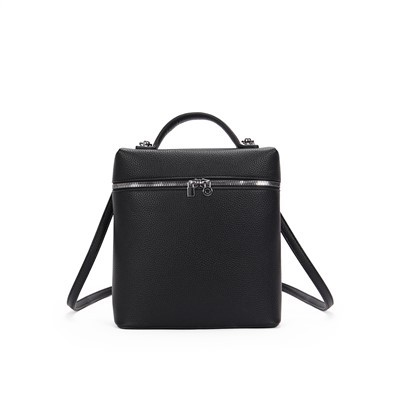
In the world of outdoor adventures, the choice of a suitable bag can significantly impact the overall experience. Hiking, in particular, demands a bag that is not only functional but also comfortable and durable. One type of bag that has gained popularity in recent years is the fabric crossbody bag. As a fabric crossbody bag supplier, I often receive inquiries about whether these bags can be used as hiking bags. In this blog post, I will explore the feasibility of using fabric crossbody bags for hiking, considering their features, advantages, and limitations.


Features of Fabric Crossbody Bags
Fabric crossbody bags are typically made from various types of fabrics, such as cotton, nylon, or polyester. These materials offer different characteristics in terms of durability, water resistance, and breathability. For example, nylon is known for its high strength and abrasion resistance, making it a popular choice for outdoor bags. On the other hand, cotton is more breathable but may not be as water-resistant as nylon.
Most fabric crossbody bags feature a single shoulder strap that allows the bag to be worn across the body, distributing the weight evenly and keeping the hands free. They also come in a variety of sizes, styles, and designs to meet different needs and preferences. Some crossbody bags have multiple compartments and pockets, providing organization for essentials such as keys, phones, wallets, and snacks.
Advantages of Using Fabric Crossbody Bags for Hiking
- Portability and Convenience
One of the main advantages of fabric crossbody bags is their portability. They are lightweight and easy to carry, making them ideal for short hikes or day trips. The crossbody design keeps the bag close to the body, reducing the risk of it swinging around and causing discomfort. Additionally, the single shoulder strap allows for quick and easy access to the bag's contents, which is especially useful when you need to grab something on the go. - Versatility
Fabric crossbody bags are not only suitable for hiking but can also be used for other activities such as traveling, shopping, or everyday use. Their stylish designs make them a fashionable accessory, while their functionality ensures that they can meet the needs of different situations. For example, you can use a fabric crossbody bag to carry your camera and other photography gear during a hiking trip, and then use it as a purse when you go out for dinner in the evening. - Organization
Many fabric crossbody bags come with multiple compartments and pockets, which can help you keep your belongings organized. You can use the compartments to separate your essentials, such as your phone, wallet, keys, and snacks, making it easier to find what you need quickly. Some crossbody bags also have specialized pockets for items such as water bottles, sunglasses, or maps, providing additional convenience. - Affordability
Compared to traditional hiking backpacks, fabric crossbody bags are generally more affordable. They offer a cost-effective option for those who are on a budget or who only need a bag for occasional hiking trips. You can find a wide range of fabric crossbody bags at different price points, allowing you to choose one that fits your budget and needs.
Limitations of Using Fabric Crossbody Bags for Hiking
- Limited Capacity
One of the main limitations of fabric crossbody bags is their limited capacity. They are typically smaller in size compared to traditional hiking backpacks, which means that they may not be able to carry all the gear and supplies you need for a long hiking trip. If you plan to go on a multi-day hike or need to carry a lot of equipment, such as a tent, sleeping bag, or cooking gear, a fabric crossbody bag may not be sufficient. - Lack of Support
Fabric crossbody bags are designed to be worn across the body, which can put more pressure on one side of the body compared to a traditional backpack. This can cause discomfort and fatigue, especially if you are carrying a heavy load for an extended period of time. Additionally, the single shoulder strap may not provide as much support as a backpack's harness system, which can make it more difficult to distribute the weight evenly. - Water Resistance
While some fabric crossbody bags are made from water-resistant materials, they may not be as waterproof as traditional hiking backpacks. If you are hiking in wet conditions or expect to encounter rain, you may need to take additional precautions to protect your belongings. You can use a waterproof cover or liner to keep your bag and its contents dry, but this can add extra bulk and weight to the bag. - Durability
The durability of fabric crossbody bags can vary depending on the quality of the materials and construction. Some bags may be more prone to wear and tear, especially if they are used frequently or in rough conditions. If you are planning to use your crossbody bag for hiking, it is important to choose a bag that is made from high-quality materials and has a sturdy construction to ensure that it can withstand the rigors of the outdoors.
Tips for Using Fabric Crossbody Bags for Hiking
- Choose the Right Size and Capacity
When choosing a fabric crossbody bag for hiking, it is important to consider the size and capacity of the bag. Make sure that the bag is large enough to carry all the essentials you need for your hike, but not so large that it becomes cumbersome or heavy. You may also want to consider the number of compartments and pockets in the bag to ensure that you can keep your belongings organized. - Look for Water-Resistant Materials
If you are hiking in wet conditions or expect to encounter rain, it is important to choose a fabric crossbody bag that is made from water-resistant materials. Look for bags that are made from nylon or polyester, which are known for their water-resistant properties. You may also want to consider using a waterproof cover or liner to provide additional protection for your bag and its contents. - Adjust the Strap for Comfort
To ensure that your fabric crossbody bag is comfortable to wear, it is important to adjust the strap to the right length. The strap should be long enough to allow you to wear the bag across your body without it being too tight or too loose. You may also want to consider using a padded strap or adding a cushion to the strap to reduce pressure on your shoulder. - Pack Smart
When packing your fabric crossbody bag for hiking, it is important to pack smart. Try to pack only the essentials you need for your hike and avoid overpacking. You may also want to distribute the weight evenly in the bag to ensure that it is balanced and comfortable to wear. Additionally, make sure that you pack your items in a way that makes them easy to access, such as using the compartments and pockets in the bag.
Conclusion
In conclusion, fabric crossbody bags can be a suitable option for hiking, especially for short hikes or day trips. They offer portability, convenience, versatility, and organization, making them a popular choice among outdoor enthusiasts. However, they also have some limitations, such as limited capacity, lack of support, water resistance, and durability. When choosing a fabric crossbody bag for hiking, it is important to consider your specific needs and preferences, as well as the conditions and duration of your hike.
If you are interested in purchasing a fabric crossbody bag for hiking or other outdoor activities, you can check out our selection of Fabric Crossbody Bags. We also offer a variety of other outdoor fabric bags, such as Nylon Wallet With Coin Pocket and Multi-colored Shoulder Chest Bag. If you have any questions or need further assistance, please feel free to contact us for a procurement discussion.
References
- Outdoor Gear Lab. (2023). Best Hiking Backpacks. Retrieved from [Outdoor Gear Lab website]
- REI Co-op. (2023). How to Choose a Hiking Backpack. Retrieved from [REI Co-op website]