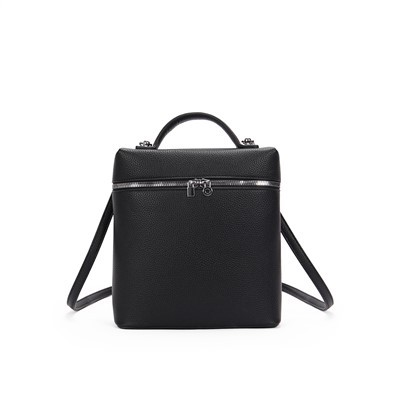
Hey there! As a supplier of outdoor fabric bags, I often get asked one burning question: "Are outdoor fabric bags waterproof?" Well, let's dive right into this topic and clear up all the confusion.
First off, it's important to understand that not all outdoor fabric bags are created equal when it comes to water resistance. There are a few factors that determine whether a bag can keep your stuff dry when it starts to pour.
The type of fabric used in the bag plays a huge role. Some common fabrics for outdoor bags include cotton, polyester, and nylon. Cotton is a natural fiber that's breathable and comfortable, but it's not the most water - resistant option. When cotton gets wet, it soaks up the water like a sponge, and it can take a long time to dry. This means that if you're caught in a downpour with a cotton outdoor bag, your belongings are likely to get damp.
On the other hand, polyester and nylon are synthetic fibers that are much more water - resistant. Polyester is known for its durability and resistance to wrinkles. It doesn't absorb water easily, so it can shed water droplets pretty well. Nylon, especially high - denier nylon, is even more water - resistant. It's strong, lightweight, and has a natural sheen that helps water roll off.
But here's the thing: just because a bag is made of a water - resistant fabric doesn't necessarily mean it's completely waterproof. Water can still seep in through the seams, zippers, and any other openings in the bag. That's why many outdoor fabric bags are treated with special coatings to enhance their water resistance.
One popular coating is polyurethane (PU). A PU - coated fabric creates a barrier that prevents water from penetrating the material. The thickness and quality of the coating can vary, though. A thin coating might offer some protection against light rain, but it might not hold up well in a heavy downpour. A thicker, high - quality PU coating can provide better waterproofing, but it can also add some weight to the bag.
Another type of treatment is a DWR (Durable Water Repellent) finish. DWR is a chemical treatment that makes the fabric repel water. When you see water bead up and roll off the surface of a bag, that's likely due to a DWR finish. However, DWR treatments can wear off over time, especially with regular use and washing. So, you might need to re - apply the DWR treatment periodically to keep the bag water - repellent.
Let's talk about some of the different types of outdoor fabric bags we offer. We have a great selection of Cloth Over The Shoulder Bag. These bags are not only stylish but also designed to withstand the elements. Our cloth over - the - shoulder bags are made from a blend of polyester and cotton, which gives them a good balance of comfort and water resistance. They also have a PU - coated lining to prevent water from seeping in through the inside of the bag.


Our Fabric Crossbody Bag is another popular choice. It's perfect for those who are on the go and need easy access to their essentials. The fabric used in our crossbody bags is treated with a high - quality DWR finish, so it can handle light rain and splashes. The zippers are also water - resistant, which helps to keep water out of the main compartment.
If you're looking for something more spacious, our Designer Cloth Tote Bags are a great option. These tote bags are made from a heavy - duty nylon fabric with a thick PU coating. They're designed to be durable and waterproof, making them ideal for outdoor activities like camping, hiking, or a day at the beach.
So, how can you test if an outdoor fabric bag is waterproof? One simple way is to sprinkle some water on the surface of the bag. If the water beads up and rolls off, it's a good sign that the bag has a decent water - repellent treatment. You can also try holding the bag under a gentle stream of water for a few seconds. If no water seeps through to the inside, the bag is likely waterproof or at least highly water - resistant.
However, it's important to remember that even the most waterproof bag has its limits. If you submerge a bag in water for an extended period, or if it's exposed to extremely heavy rain for hours on end, there's still a chance that some water might find its way in.
When it comes to caring for your outdoor fabric bags, proper maintenance can help to keep them water - resistant. Avoid using harsh detergents when washing the bags, as they can damage the water - repellent treatments. Instead, use a mild soap and lukewarm water. After washing, let the bags air dry completely before storing them.
If you notice that the DWR finish on your bag is starting to wear off, you can easily re - apply it. There are many DWR sprays available on the market. Just follow the instructions on the product label, and your bag will be back to repelling water in no time.
In conclusion, while not all outdoor fabric bags are completely waterproof, many can offer a high level of water resistance. The type of fabric, the coatings, and the construction of the bag all play a role in determining its waterproofing capabilities. Our outdoor fabric bags are designed with these factors in mind to provide you with reliable protection against the elements.
If you're in the market for high - quality outdoor fabric bags, whether you need a Cloth Over The Shoulder Bag, a Fabric Crossbody Bag, or a Designer Cloth Tote Bags, we've got you covered. We're always happy to discuss your specific needs and requirements for your next purchase. So, if you're interested in placing an order or have any questions about our products, don't hesitate to reach out for a procurement discussion.
References:
- Outdoor Gear Lab: Testing and Reviews of Outdoor Equipment
- Backpacker Magazine: Articles on Outdoor Gear and Equipment
- Textile Research Journal: Studies on Fabric Properties and Treatments