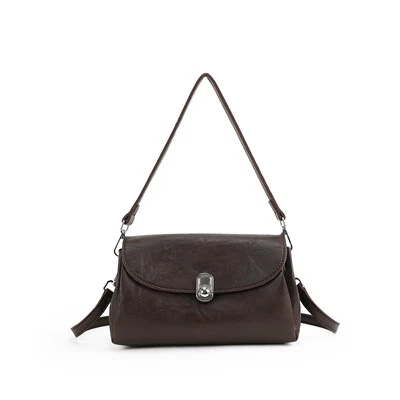
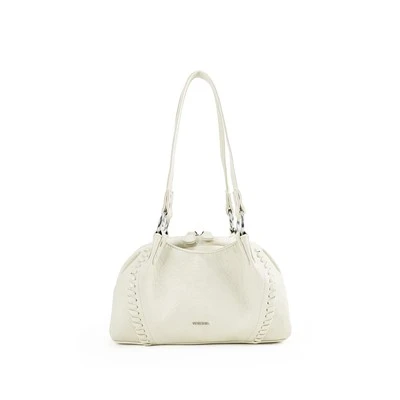
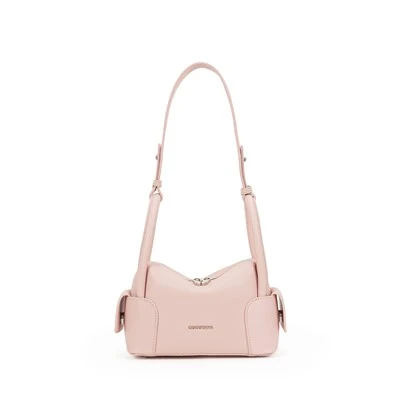
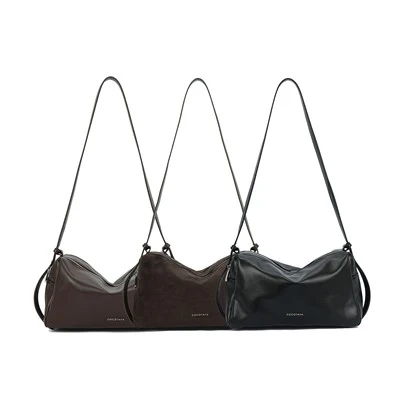
As global demand for sustainable, ethically produced textiles continues to rise, Laos has quietly emerged as a surprising powerhouse in the garment manufacturing sector. While neighboring Thailand and Vietnam often steal the spotlight, the Lao People's Democratic Republic (Lao PDR) is carving out a distinctive niche-particularly in workwear, knitted garments, and increasingly, high-quality fabric bags.
Whether you are an international buyer looking for B2B partners, a brand seeking ethical manufacturing, or a retailer aiming to stock eco-friendly tote bags, Laos offers a compelling mix of European-quality standards, competitive labor costs, and preferential trade access.
Here are the top 5 popular fabric bag suppliers and manufacturers in Laos for 2026, ranked by production capacity, reputation, and specialization.
1. Bede Garment (Laos) Co., Ltd.
Best for: High-Volume Production & Supply Chain Reliability
If your business requires massive scale without compromising on quality control, Bede Garment (Laos) is the undisputed leader in the country. A subsidiary of China's Bader Garment Group, this facility represents the largest concentration of garment manufacturing capacity in Laos.
Located in the Saiseta Comprehensive Development Zone in Vientiane, Bede Laos operates with industrial-grade efficiency. As of early 2026, the facility boasts 40 production lines, employs over 2,000 workers, and has an annual production capacity of 20 million garments. While their primary focus has been knitted garments for export to Europe, America, and Japan, their infrastructure makes them an ideal candidate for large-scale fabric bag contracts-particularly canvas totes, shopping bags, and customized promotional carryalls.
Why they are a top choice in 2026:
Scale: With 20,000 square meters of factory space and advanced automated cutting beds, they can handle orders that smaller Laotian workshops cannot.
Government Backing: The factory recently received high praise from the Lao Minister of Labor and Social Welfare, indicating strong political stability and compliance with local labor laws.
Technical Expertise: They employ 25 Chinese management and technical staff who provide rigorous training, ensuring that quality control matches international standards for export.
Best suited for: Bulk orders of cotton and canvas shopping bags, laptop totes, and corporate promotional bags requiring strict deadlines.
2. MASCOT International (Lao) Sole Co. Ltd.
Best for: Premium Quality & Ethical Certification
For buyers who prioritize "Made in Laos" as a mark of European quality and social compliance, MASCOT is the gold standard. MASCOT is one of Europe's largest suppliers of workwear and safety wear, and their Laotian operations are not just a satellite office-they are a core part of the company's vertical integration strategy.
Unlike contract manufacturers who simply sew for other brands, MASCOT produces its own brand products in Laos with European management oversight. Their facility in Nonthong Village, Saythany District, is certified under SA8000-the strictest corporate social responsibility certification available. This certification requires external audits twice a year focusing on working conditions, wages, and the prohibition of child labor.
Why they stand out for fabric bags:
Ethical Manufacturing: They provide on-site medical clinics and free nutritious meals daily, a major selling point if you need to market your bags as ethically sourced.
Quality Control: With over 3,500 employees across Asia, 75% of their total workwear production happens in their own factories (Vietnam and Laos), giving them direct control over fabric quality and stitching durability.
Durability: While known for workwear, their expertise in heavy-duty stitching and durable fabrics makes them excellent for producing high-end business totes, travel totes, and heavy-duty shopping bags that need to withstand wear and tear.
Best suited for: High-end corporate gifts, luxury retail tote bags, and buyers requiring SA8000 or ISO-certified ethical supply chains.
3. HI-TECH APPAREL COMPANY LIMITED (Laos Operations)
Best for: Diversified Product Range & Innovation
With a legacy dating back to 1989, HI-TECH APPAREL is a world-class garment manufacturer with a sprawling network across Southeast Asia, including Thailand, Cambodia, Vietnam, and Laos. Their Laotian operations benefit from the parent company's massive resources-producing over 60 million products annually across the region.
What sets HI-TECH apart is their focus on innovation and digitalization in apparel manufacturing. They specialize in cut-and-sew manufacturing, which is the exact process required for structured fabric bags. Whether you need athletic drawstring bags, padded laptop totes, or complex multi-compartment fabric carriers, HI-TECH has the technical capability to execute.
Key strengths for 2026:
Automation: They invest heavily in automated cutting and sewing technologies, ensuring consistency across large batches.
Athletic & Functional Design: If your fabric bag requires technical elements (like moisture-wicking lining for gym bags or padded straps), their experience in athletic wear gives them an edge.
Regional Connectivity: With the Laos-China railway fully operational, logistics from their Laotian facilities to regional hubs are faster and cheaper than ever.
Best suited for: Sports totes, backpack-style fabric bags, and complex bag designs that require advanced pattern-making skills.
4. Diep Vu Co Ltd (Laos Branch)
Best for: Industrial & Specialized Fabric Applications
For buyers looking for something beyond the standard cotton tote, Diep Vu Co Ltd offers a unique specialization: industrial workwear and laundry wear. While their core business is garments designed to withstand industrial laundering, this specialization translates perfectly into high-durability fabric bags.
Diep Vu operates in Laos as a member of the European Chamber of Commerce, indicating a high level of credibility and international business standards. Their expertise lies in creating products that survive harsh conditions-chemical exposure, high-heat washing, and repeated heavy loads.
Why they are a top fabric bag supplier:
Durability: They understand how to construct seams and select fabrics that do not degrade after multiple washes, which is essential for reusable shopping bags.
Technical Fabrics: They can source and sew specialized materials like anti-static fabrics or reinforced polyesters that typical bag manufacturers avoid.
Leasing Quality: They produce garments for leasing programs (where uniforms are rented and washed industrially), meaning their construction quality is rated for longevity rather than single-use aesthetics.
Best suited for: Industrial tote bags, laundry bags for hospitality businesses, and reusable shopping bags designed for heavy grocery use.
5. Local & Boutique Lao Artisan Collectives
Best for: Handmade, Sustainable & Traditional Fabric Bags
Beyond the large industrial players, Laos has a rich tradition of textile weaving, particularly in regions like Luang Prabang and Vientiane. While not "suppliers" in the traditional corporate sense, several social enterprises and cooperatives have emerged as popular sources for unique fabric bags.
These groups often focus on natural dyes, handwoven cotton, and traditional Lao patterns (like Sinh motifs). For brands looking to market bags with a strong cultural story or "handmade" appeal, these cooperatives offer a distinct product that machine-manufactured factories cannot replicate.
Notable characteristics:
Sustainability: These groups often use organic cotton and natural indigo dyes, aligning with zero-waste and eco-friendly brand values.
Social Impact: Many cooperatives are structured to provide fair wages to rural women and ethnic minority groups.
Low MOQ (Minimum Order Quantity): Unlike the industrial giants requiring thousands of units, artisan groups often accept small batches, making them ideal for boutique brands or limited edition runs.
Best suited for: Fashion totes, gift bags, high-end artisan retail packaging, and collections emphasizing "slow fashion."
The Lao Market Advantage: Why 2026 is the Year to Source Here
If you are considering adding Laos to your supply chain, the timing is excellent. Several macro factors make Laos particularly attractive for fabric bag sourcing in 2026:
1. Preferential Trade Access
As a Least Developed Country (LDC), Laos benefits from preferential tariff treatment with Western markets under schemes like the EU's Everything But Arms (EBA) initiative. This means lower or zero duties on exports, which can significantly reduce the landed cost of your fabric bags compared to sourcing from more developed nations like China or Vietnam.
2. European Management, Asian Costs
Factories like MASCOT bring European management standards (transparency, safety, ethical treatment) to Southeast Asian labor costs. This is a "best of both worlds" scenario for Western buyers who are wary of supply chain scandals.
3. Growing Infrastructure
The Laos-China Railway has revolutionized logistics. Shipping times and costs for raw materials (like zippers and fabric) entering Laos, and finished goods (bags) leaving Laos, have improved drastically, making lead times more competitive.
4. Market Growth
According to industry analysis, the Lao tote bag market is actively evolving, with segmentation covering materials like canvas, fabric, leather, and jute, and applications ranging from shopping totes to business and travel totes. The market is seeing a trend toward diversification, meaning more suppliers are entering the space to meet varied buyer needs.
Conclusion
Laos is no longer just a "next best alternative" to Vietnam or Thailand; it is a premier sourcing destination in its own right for 2026. The combination of massive industrial scale (Bede), premium European ethics (MASCOT), technical innovation (HI-TECH), and unique artisan heritage creates a diverse ecosystem for fabric bag sourcing.
Whether you are looking to produce 500 hand-woven cotton totes for a boutique resort in Luang Prabang or 500,000 promotional canvas bags for an international retail chain, the suppliers on this list offer the reliability, quality, and increasingly, the logistical ease to make your project a success.
As global consumers continue to demand transparency and sustainability, fabric bags "Made in Laos" carry a story of ethical production and quality craftsmanship that resonates in the 2026 marketplace.