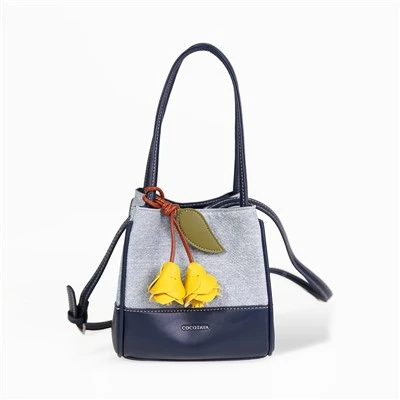
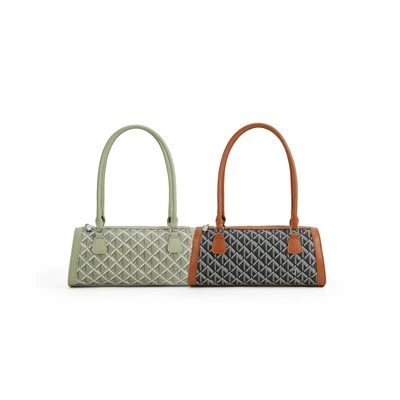
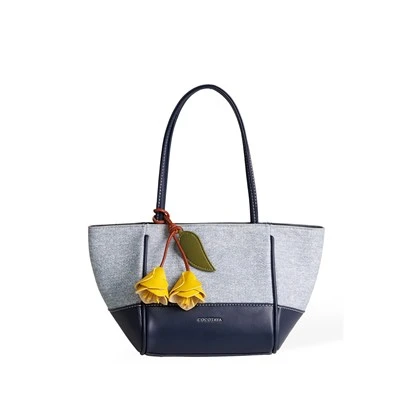
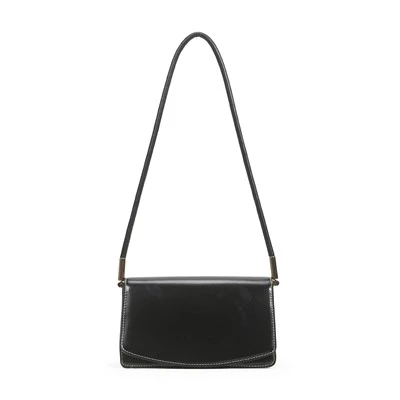
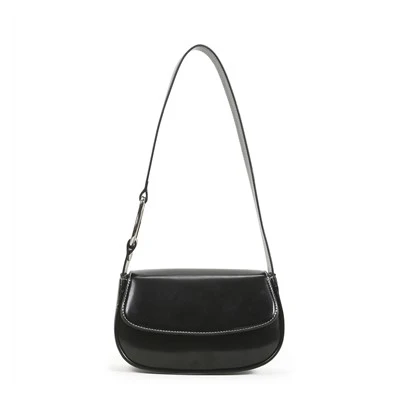
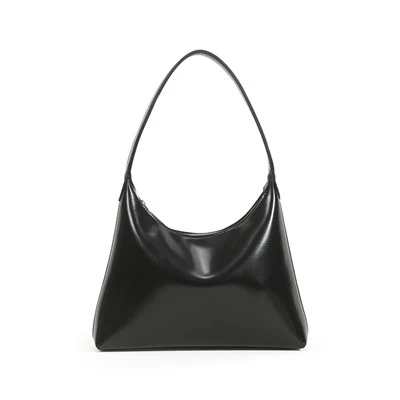
In an era where sustainability and personal style are increasingly intertwined, the humble fabric bag has emerged as an everyday hero. More than just an accessory, it's a statement of values, a practical tool, and a canvas for personal expression. Yet, with countless options flooding the market-from organic cotton totes to chic linen carriers and sturdy canvas rucksacks-selecting the right one can be surprisingly complex. This guide will navigate you through the essential considerations to help you choose a fabric bag that is not only beautiful and functional but also aligns with your ethical and environmental principles.
1. Define Your Purpose: The Bag's Primary Role
Before falling for a particular color or trend, ask yourself: What will this bag carry?
- The Daily Commuter: Needs durability, comfort, and organization. Look for padded laptop sleeves, multiple compartments (for a water bottle, umbrella, notebook), and sturdy straps. A backpack or a structured tote might be ideal.
- The Grocery Shopper: Requires strength, capacity, and easy cleaning. A simple, heavyweight canvas or recycled PET tote with reinforced seams and handles is perfect.
- The Weekend Explorer: Should be lightweight, versatile, and perhaps packable. A foldable nylon or cotton bag that tucks into its own pocket is a travel essential.
- The Stylish Professional: Blends aesthetics with function. Consider a well-structured tote, a sophisticated bucket bag in linen or tweed, or a minimalist crossbody with clean lines.
- The Gym Enthusiast: Demands ventilation, separate compartments (for shoes, clothes), and easy-wash materials like polyester or technical blends.
Matching the bag to its most frequent use is the first step toward satisfaction and longevity.
2. Fabric Fundamentals: Material Matters Most
The type of fabric determines the bag's look, feel, durability, and environmental footprint.
- Cotton (Conventional & Organic):
Conventional Cotton: Soft, breathable, and widely available. However, its cultivation is often water-intensive and pesticide-heavy.
Organic Cotton: A far more sustainable choice, grown without synthetic pesticides. It feels similar but comes with a clearer conscience and often a higher price tag. Look for GOTS (Global Organic Textile Standard) certification.
- Canvas: Essentially a heavyweight, plain-woven cotton (or sometimes linen). It's renowned for its durability and strength, making it ideal for heavy loads. It develops a beautiful patina over time. Often treated with a wax or coating for water resistance.
- Linen: Made from flax plant fibers. Prized for its natural, textured aesthetic, breathability, and strength. It's more rigid than cotton and wrinkles easily-a characteristic many love for its rustic charm. It's biodegradable and generally has a lower environmental impact than conventional cotton.
- Hemp: An eco-superstar. Requires minimal water, no pesticides, and enriches the soil. The fabric is extremely durable, strong, and becomes softer with each wash. It has a natural, slightly coarse texture and excellent mildew resistance.
- Jute & Burlap: Very sturdy, coarse fabrics with a distinctive rustic look. Often used for market bags. Highly biodegradable but less soft against the skin.
- Recycled Materials (rPET, Recycled Cotton): Fabrics made from post-consumer plastic bottles (rPET) or textile waste. An excellent choice for circularity, reducing waste and demand for virgin materials. Performance varies but is often comparable to virgin synthetics or cotton blends.
- Technical/Synthetic Blends (Polyester, Nylon): Often used for sporty or packable bags. They are lightweight, water-resistant, and very durable. From a sustainability angle, seek out recycled versions (e.g., recycled nylon) as virgin synthetics are petroleum-based and shed microplastics.
3. Construction & Craftsmanship: The Anatomy of Quality
A beautiful fabric is nothing without solid construction. Inspect these details:
- Stitching: Look for tight, even, and straight stitches. Double-stitching or bar-tacking (a dense pattern of stitching) at critical stress points-like where the handles meet the bag-is a hallmark of quality.
- Seams: French seams or bound seams are more durable and give a cleaner interior finish than simple overlocked edges.
- Handles & Straps: They should be securely anchored (not just stitched onto the outer fabric, but integrated into the seams). For comfort, ensure they are wide enough and, if possible, padded. Test the length for your preferred carrying style (handheld, on the shoulder, crossbody).
- Hardware: Zippers, clasps, and D-rings should feel substantial, not flimsy. Zippers should glide smoothly. Rust-resistant, quality metal or durable plastic hardware ensures longevity.
- Lining: A lining protects the interior and adds structure. Look for a durable, easy-to-clean fabric like cotton or recycled polyester. It should be neatly sewn in.
4. Design & Functionality: Your Daily Companion
A well-designed bag makes life easier.
- Compartments: Do you need a dedicated laptop sleeve? Internal pockets for a phone and keys? An external water bottle pocket?
- Closure: Open-top, zipper, drawstring, or flap? A zipper offers security, while an open top allows for easy access.
- Weight & Packability: If you'll be carrying it all day or traveling, an empty bag shouldn't be heavy. Packable bags are miracles of compact design.
- Aesthetic: This is personal. Do you prefer minimalist neutrals, bold prints, or natural, undyed textures? Choose a bag that resonates with your wardrobe and personal style.
5. The Sustainability & Ethics Imperative
Choosing a fabric bag is often a conscious step away from fast fashion and single-use plastics. To maximize this positive impact:
- Prioritize Natural & Recycled Materials: Organic cotton, linen, hemp, and recycled fabrics are top choices.
- Look for Certifications: GOTS (organic textiles), Fair Trade (ethical labor practices), OEKO-TEX (free from harmful chemicals).
- Consider Transparency: Do the brands disclose their manufacturing partners? Do they have a robust environmental or social responsibility policy?
- Embrace Timelessness: The most sustainable bag is the one you'll love and use for years. Avoid fleeting trends in favor of classic design and neutral colors.
- Local & Artisanal: Supporting local makers or brands using traditional craftsmanship can reduce carbon footprints and sustain cultural arts.
6. Care & Longevity: A Commitment to Your Bag
To ensure your bag lasts for the long haul:
- Follow Care Instructions: Most fabric bags can be spot-cleaned. Many cotton and linen bags are machine washable (gentle cycle, cold water, air dry). Check the label.
- Store Properly: Don't overstuff it permanently. Store it in a cool, dry place, perhaps stuffed with paper to help it keep its shape.
- Embrace the Patina: Natural fabrics age beautifully. Fading, softening, and minor stains can tell the story of the bag's life with you.
Conclusion: Your Perfect Fabric Bag Awaits
Selecting a fabric bag is a thoughtful intersection of practicality, personal expression, and planetary responsibility. By understanding your needs, learning the language of materials, scrutinizing quality, and valuing ethical production, you move beyond a simple purchase. You invest in a reliable companion for your daily journeys and cast a vote for a more thoughtful, sustainable world.
Start by looking in your closet. What's missing? A sturdy grocery hauler? A polished work bag? Then, take this knowledge and seek out a bag that doesn't just carry your belongings, but also carries your values. Your perfect fabric bag is out there-built to last, designed to serve, and waiting to become part of your story.