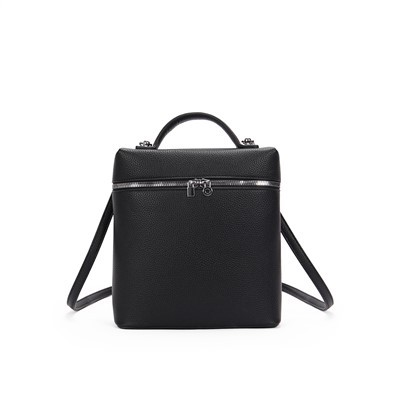
When it comes to carrying your essentials on the go, a Chest Pack Sling Bag is a versatile and practical choice. Whether you're hiking, traveling, or simply running errands in the city, having a well - organized chest pack sling bag can make your life much easier. As a Chest Pack Sling Bag supplier, I've seen firsthand the importance of proper organization. In this blog, I'll share some of the best ways to organize items in a chest pack sling bag.
Understanding Your Chest Pack Sling Bag
Before you start organizing, it's crucial to understand the features of your chest pack sling bag. Most chest pack sling bags come with multiple compartments, pockets, and sometimes even adjustable dividers. These features are designed to help you separate and store different items efficiently.
For example, many bags have a main compartment that is large enough to hold bigger items like a tablet, a small water bottle, or a light jacket. There are usually smaller front pockets that are perfect for quick - access items such as keys, a phone, or a wallet. Some bags also have side pockets, which can be used for holding items like a pen, a small notebook, or even a pair of sunglasses.
Categorizing Your Items
The first step in organizing your chest pack sling bag is to categorize your items. This will help you determine which items should go in which compartments. Here are some common categories:


1. Electronics
This category includes your phone, tablet, power bank, earphones, and charger. Electronics are often delicate and need to be protected. You can use a small padded pouch or the dedicated pockets in your bag to keep them safe. Place your phone in an easily accessible pocket so that you can quickly answer calls or check messages. The power bank and charger can be stored in the main compartment or a side pocket for easy access when you need to charge your devices.
2. Personal Items
Personal items such as your wallet, keys, and ID card should be kept in a secure and easily accessible location. A front pocket or a zippered compartment close to the top of the bag is ideal for these items. You can also use a keychain with a small hook to attach your keys to the inside of the pocket, so they don't get lost in the clutter.
3. Documents
If you're carrying documents like tickets, passports, or important papers, it's best to keep them in a separate document holder or a dedicated pocket in your bag. This will prevent them from getting wrinkled or damaged. You can also use a plastic sleeve to protect your documents from water or dirt.
4. Hygiene Items
Items like tissues, hand sanitizer, and lip balm are essential for daily use. You can keep these items in a small zip - lock bag or a dedicated pocket in your bag. This will make them easy to find when you need them.
5. Snacks and Drinks
If you're going on a long trip or a hike, you might want to carry some snacks and a water bottle. The main compartment of your bag is a good place to store a small water bottle, and you can use a side pocket or a front pocket to keep your snacks. Make sure to keep your snacks in a sealed container to prevent them from making a mess.
Using Dividers and Pouches
Dividers and pouches are great tools for keeping your items organized in a chest pack sling bag. You can use adjustable dividers to create custom - sized compartments in the main compartment of your bag. This is especially useful if you have items of different sizes that need to be separated.
Pouches are also very handy. You can use small pouches to store items like earphones, pens, or jewelry. You can even use a larger pouch to keep all your electronics together. This will not only keep your items organized but also make it easier to find what you're looking for.
Considering the Weight Distribution
When organizing your chest pack sling bag, it's important to consider the weight distribution. You want to make sure that the weight is evenly distributed across the bag to avoid discomfort when you're wearing it.
Heavy items like a laptop or a large water bottle should be placed closer to your body, near the center of the bag. This will help to balance the weight and make the bag more comfortable to carry. Lighter items can be placed in the outer compartments or pockets.
Tips for Specific Activities
Hiking
When you're going on a hike, you'll need to carry different items compared to a regular day out. In addition to the basic items, you'll need to bring a map, a compass, a first - aid kit, and extra layers of clothing.
The first - aid kit should be easily accessible, so it's best to keep it in a front pocket. The map and compass can be stored in a side pocket or a dedicated map holder. Extra layers of clothing can be rolled up and placed in the main compartment.
Traveling
For traveling, you'll need to carry items like travel documents, a change of clothes, and toiletries. Make sure to keep your travel documents in a secure and easily accessible location, such as a front pocket or a document holder. Your change of clothes can be packed in a compression sack and placed in the main compartment. Toiletries can be stored in a waterproof toiletry bag in the main compartment or a side pocket.
Urban Commuting
When commuting in the city, you'll mainly need your phone, wallet, keys, and perhaps a book or a magazine. Keep your phone and wallet in a front pocket for quick access. Your keys can be attached to a keychain inside a pocket. A book or a magazine can be placed in the main compartment.
Conclusion
Organizing items in a chest pack sling bag is all about understanding the features of your bag, categorizing your items, using dividers and pouches, considering weight distribution, and tailoring your organization to the specific activity you're doing. A well - organized chest pack sling bag will not only make your life easier but also enhance your overall experience, whether you're hiking in the mountains, traveling to a new city, or simply commuting to work.
If you're interested in our high - quality Chest Pack Sling Bag, High Capacity Sling Bag, or Hip Sack Bag, and would like to discuss a potential purchase, please feel free to reach out to us. We're always ready to assist you with your needs.
References
- "The Ultimate Guide to Backpack Organization" by Outdoor Gear Lab
- "Organizing Your Everyday Carry" by Everyday Carry Magazine