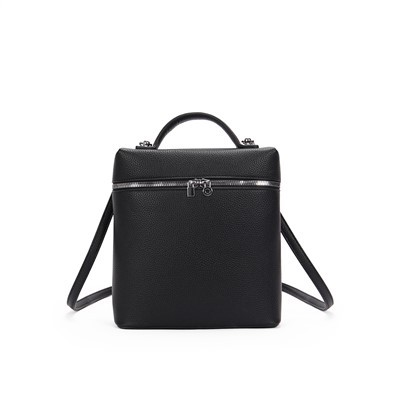
Hey there, folks! As a supplier of Hip Sack Bags, I've seen my fair share of these nifty little bags. They're super convenient, great for carrying your essentials on the go, and come in all sorts of cool styles. But like any bag, they can get dirty over time. So, today I'm gonna share with you how to clean a Hip Sack Bag properly.
Why Cleaning Your Hip Sack Bag Matters
First off, let's talk about why it's important to clean your Hip Sack Bag. A dirty bag not only looks unappealing but can also harbor bacteria and odors. If you use your bag to carry food, drinks, or other personal items, keeping it clean is crucial for your health. Plus, regular cleaning can extend the lifespan of your bag, saving you money in the long run.
What You'll Need
Before you start cleaning your Hip Sack Bag, gather the following supplies:
- Mild detergent: Avoid using harsh chemicals that can damage the fabric. A gentle, eco - friendly detergent works great.
- Soft brush or sponge: This will help you scrub away dirt without scratching the bag.
- Two clean buckets or basins: One for soapy water and one for rinsing.
- Clean, dry towels: To dry the bag after cleaning.
Step - by - Step Cleaning Process
1. Empty the Bag
The first step is to empty your Hip Sack Bag completely. Check all the pockets, compartments, and zippers to make sure you don't leave anything behind. Remove any loose debris like dirt, sand, or crumbs.
2. Spot Cleaning
If there are any visible stains on your bag, start with spot cleaning. Mix a small amount of mild detergent with water in a bowl. Dip your soft brush or sponge into the soapy water and gently scrub the stained area. Be careful not to rub too hard, as this can damage the fabric. Rinse the brush or sponge frequently and continue until the stain is removed.
3. Prepare the Soapy Water
Fill one of your buckets or basins with lukewarm water and add a small amount of mild detergent. Stir the water gently to create a soapy solution. You don't need too much detergent; a little goes a long way.
4. Submerge the Bag
Carefully place your Hip Sack Bag into the soapy water. Make sure the entire bag is submerged. Use your hands to gently agitate the bag, working the soapy water into the fabric. Pay special attention to areas that get dirty easily, like the bottom of the bag and the handles.
5. Scrub the Bag
Take your soft brush or sponge and start scrubbing the bag. Focus on areas with stubborn dirt or stains. You can use circular motions to loosen the dirt. Be gentle around zippers, buttons, and other hardware to avoid damage.
6. Rinse the Bag
Once you're satisfied with the cleaning, remove the bag from the soapy water and place it in the second bucket or basin filled with clean water. Swish the bag around to rinse out the soap. Repeat this process a few times until the water runs clear and there's no more soap residue left in the bag.
7. Squeeze Out Excess Water
Gently squeeze the bag to remove as much excess water as possible. Don't wring the bag, as this can damage the fabric and distort the shape of the bag.
8. Dry the Bag
Lay the bag flat on a clean, dry towel. Roll up the towel with the bag inside to absorb more water. Then, unroll the towel and let the bag air dry in a well - ventilated area away from direct sunlight. Direct sunlight can fade the color of the bag and damage the fabric.
Special Considerations for Different Materials
Canvas Hip Sack Bags
Canvas is a durable and common material for Hip Sack Bags. It can usually withstand a bit more scrubbing than other materials. However, be careful not to over - scrub, as this can cause the fabric to fray. If your canvas bag has a waterproof coating, make sure to use a detergent that won't damage it.
Leather Hip Sack Bags
Leather bags require a bit more care. Instead of submerging the bag in water, use a damp cloth with a small amount of leather cleaner to wipe down the bag. Avoid getting the leather too wet, as this can cause it to crack or warp. After cleaning, apply a leather conditioner to keep the leather soft and supple.
Nylon Hip Sack Bags
Nylon is a lightweight and water - resistant material. It's relatively easy to clean. You can follow the general cleaning steps mentioned above. However, be careful when using a brush on nylon, as it can snag the fabric.
Tips for Maintaining a Clean Hip Sack Bag
- Regularly empty your bag: Don't let dirt and debris build up inside your bag. Empty it out after each use or at least once a week.
- Use a protective spray: There are many fabric and leather protectant sprays available on the market. Applying a protective spray can help repel dirt and stains.
- Store your bag properly: When you're not using your Hip Sack Bag, store it in a cool, dry place. Avoid folding the bag too tightly, as this can cause creases.
Our Hip Sack Bag Offerings
At our company, we offer a wide range of Hip Sack Bags to suit your needs. Whether you're looking for a High Capacity Sling Bag to carry all your gear or a Chest Pack Sling Bag for a more compact option, we've got you covered. Check out our Hip Sack Bag collection to find the perfect bag for you.


If you're interested in purchasing our Hip Sack Bags in bulk or have any questions about our products, don't hesitate to reach out. We're always happy to assist you with your procurement needs and discuss the best options for your business.
Conclusion
Cleaning your Hip Sack Bag doesn't have to be a hassle. By following these simple steps and taking proper care of your bag, you can keep it looking great and in good condition for years to come. Remember, a clean bag is not only more appealing but also more hygienic. So, go ahead and give your Hip Sack Bag a good cleaning today!
References
- "The Ultimate Guide to Cleaning and Maintaining Your Bags" - Various bag care blogs
- Manufacturer's guidelines for different bag materials.